This week’s activity
The RSPB Big Garden Bird Watch
Last Friday, the children took part in the above Bird Watch. They had a sheet with pictures of the birds that typically visit British gardens. They talked about what birds they already knew and what kind of birds they had seen in the local environment and around their own homes.
They went on to think about where birds live and what they need to survive and considered why it is important to look after our wildlife.
One of the children commented that “all the robins in my garden ate all my lettuce, cucumbers and tomatoes”. Another child said “I don’t like robins because they are greedy and eat all the food”.
The teacher emphasised how important birds are to our gardens’ ecosystems, being part of a bigger food chain.
Over the course of an hour, several children came to observe what birds could be seen visiting our garden. The children recorded 1 robin, 1 woodpigeon, 1 starling, 1 blue tit and 1 coal tit.
The results have been submitted and we look forward to receiving the results in April.
Making binoculars
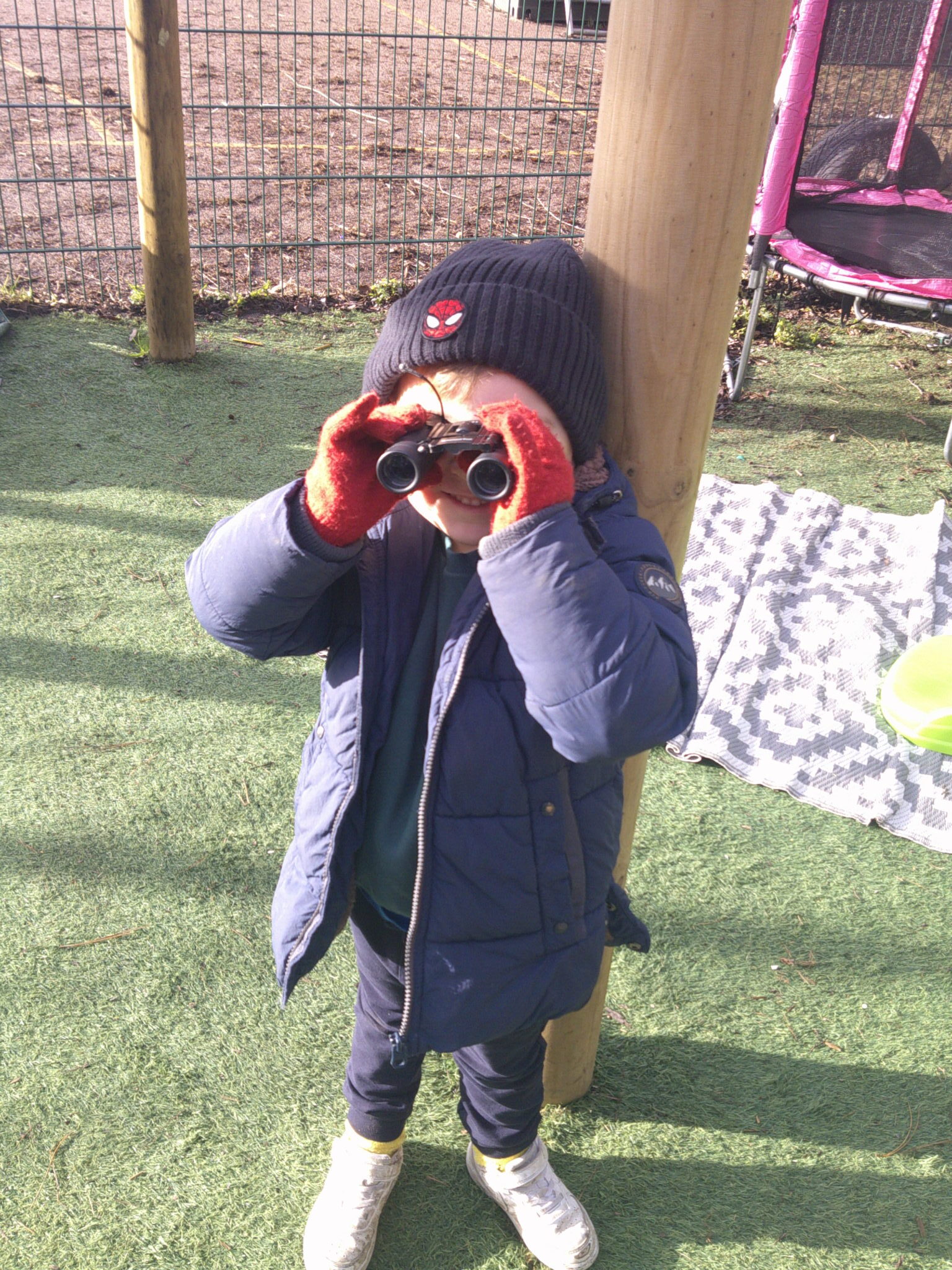
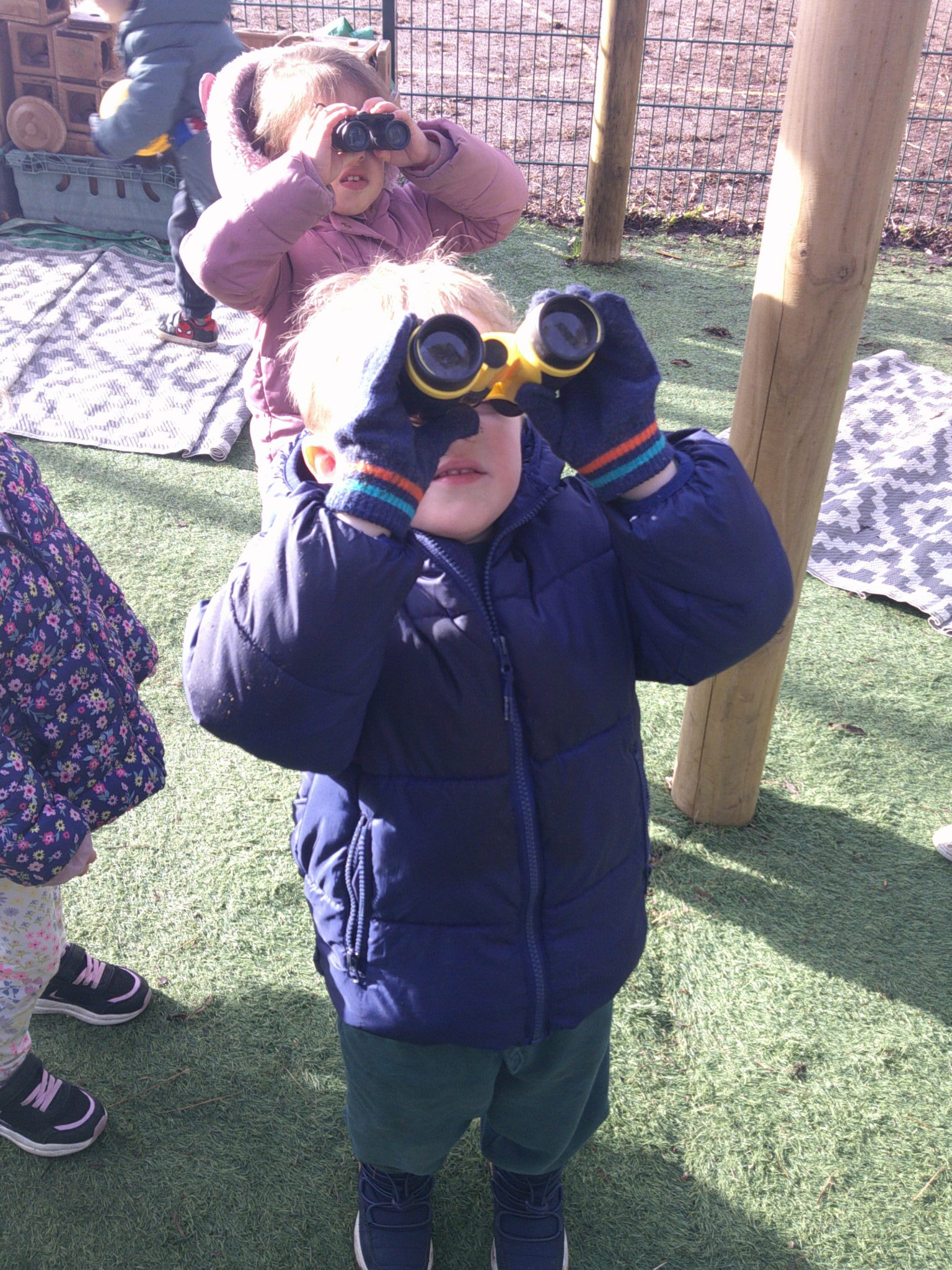
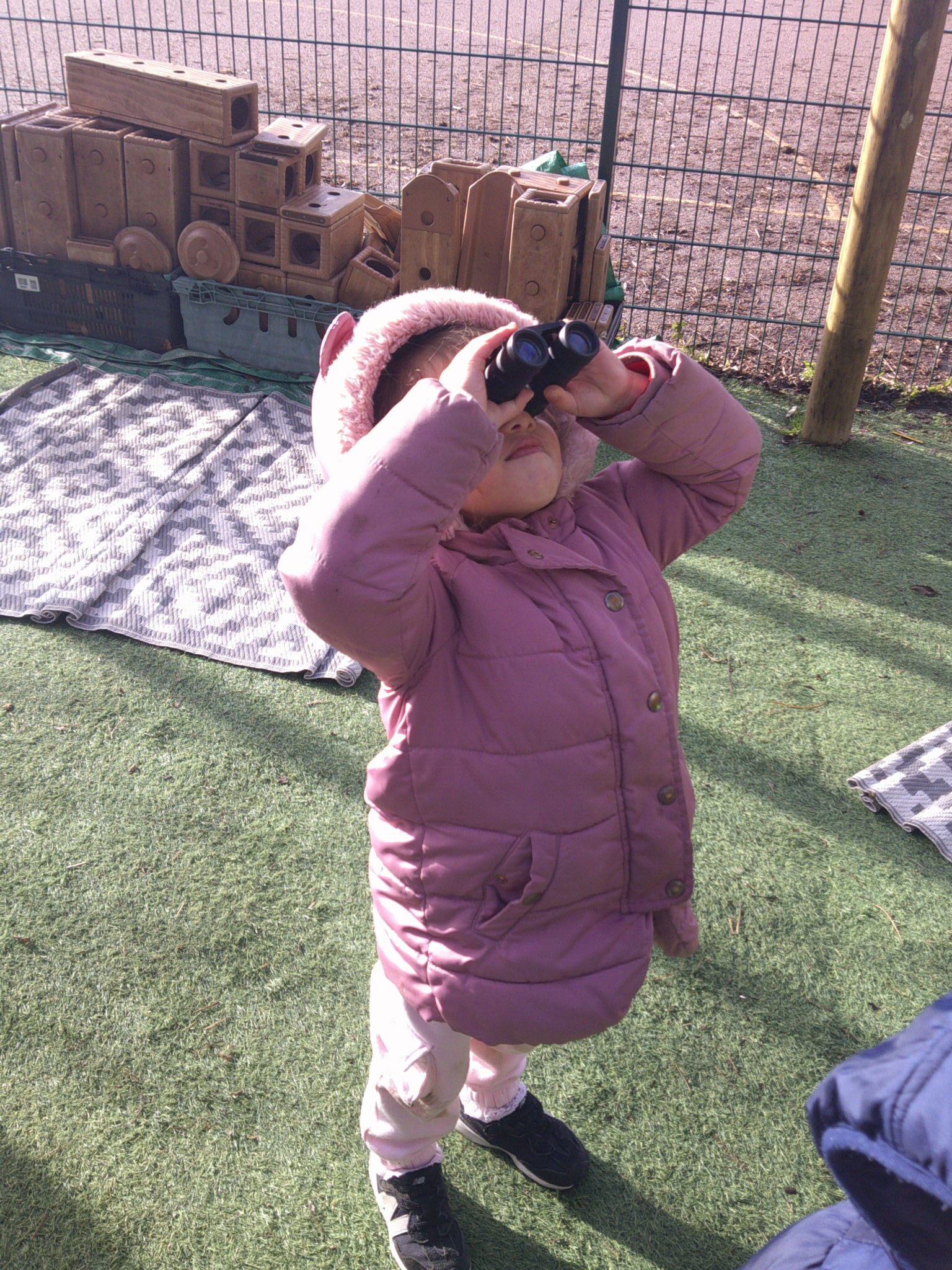
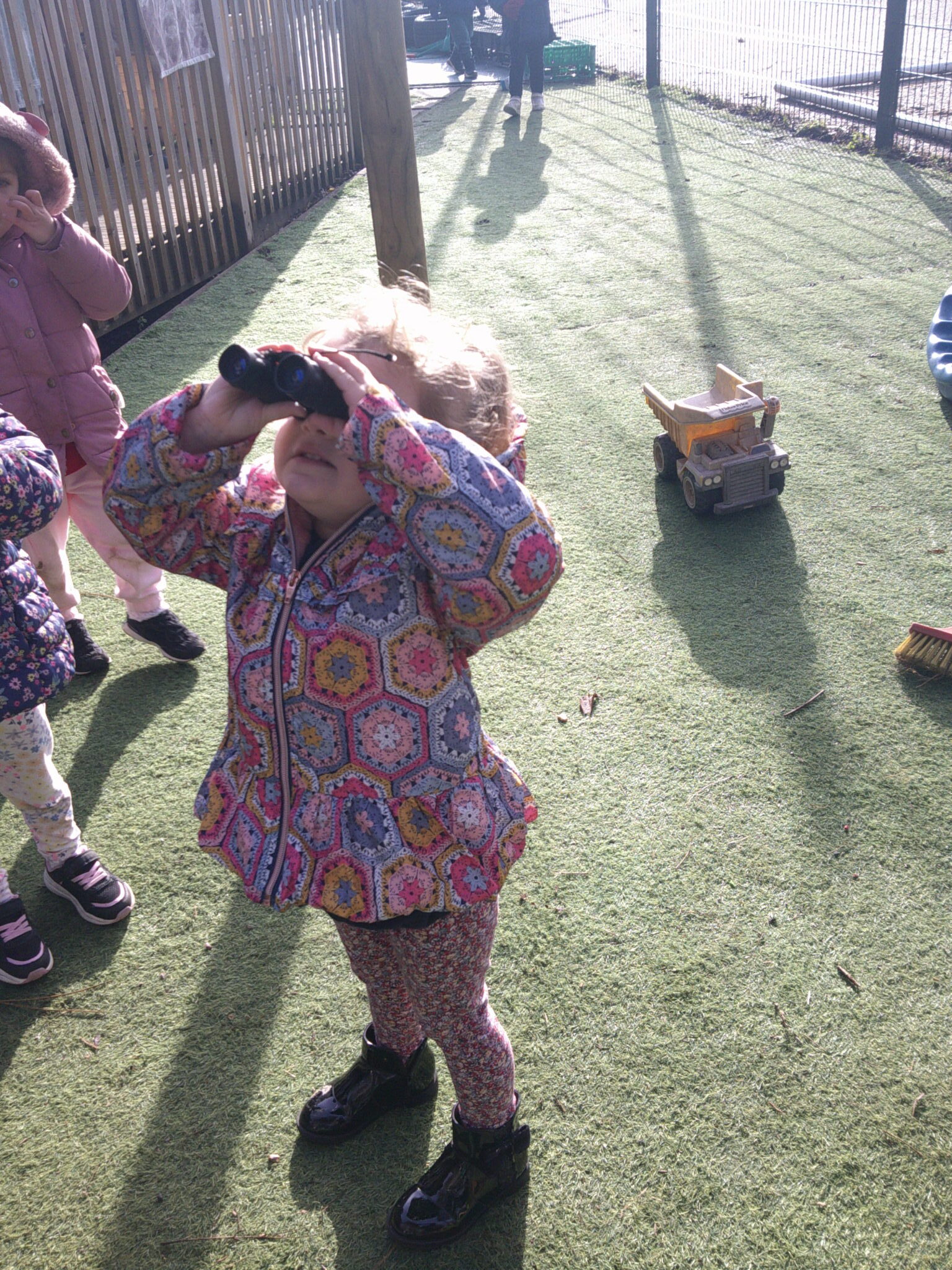
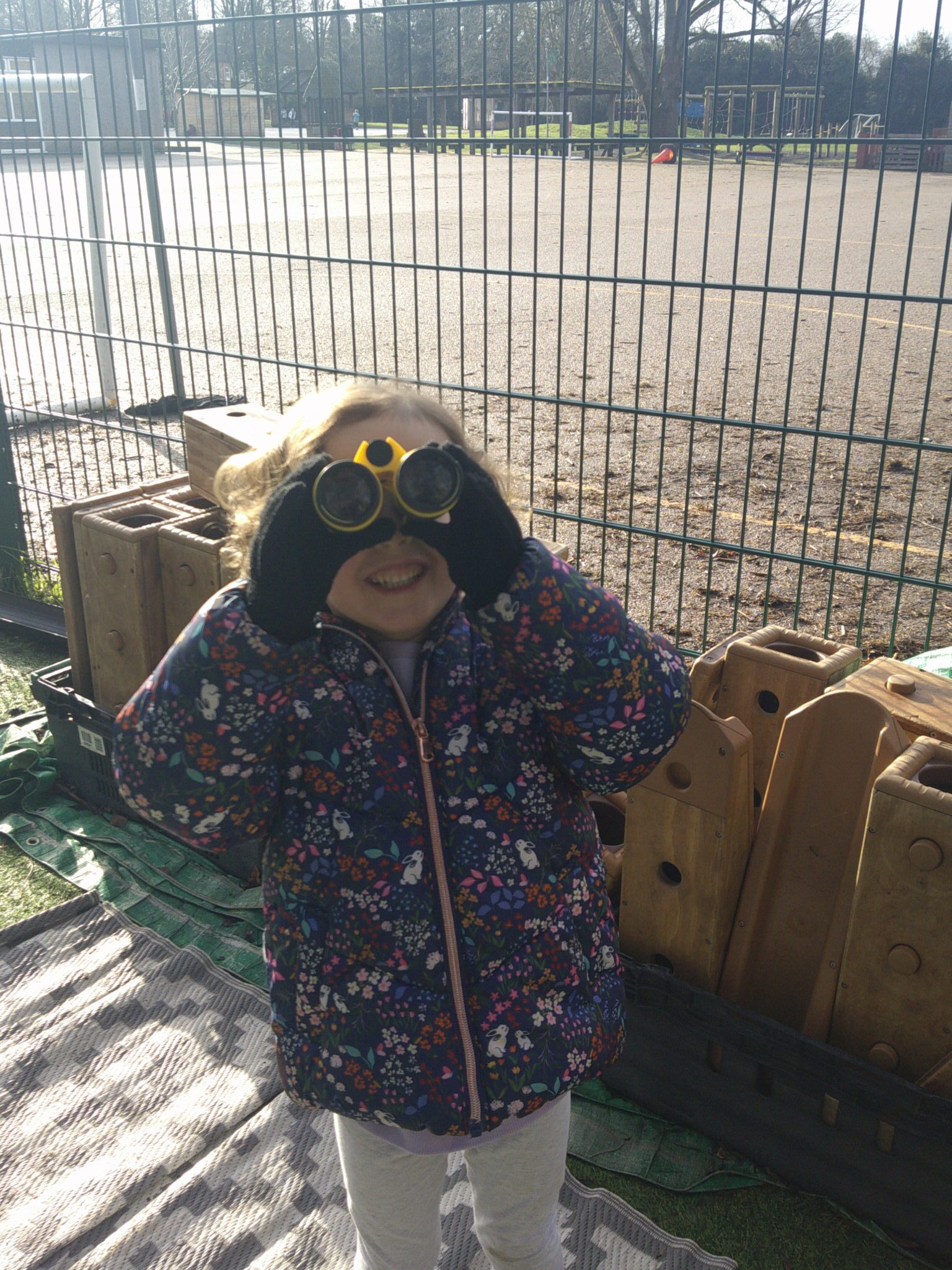
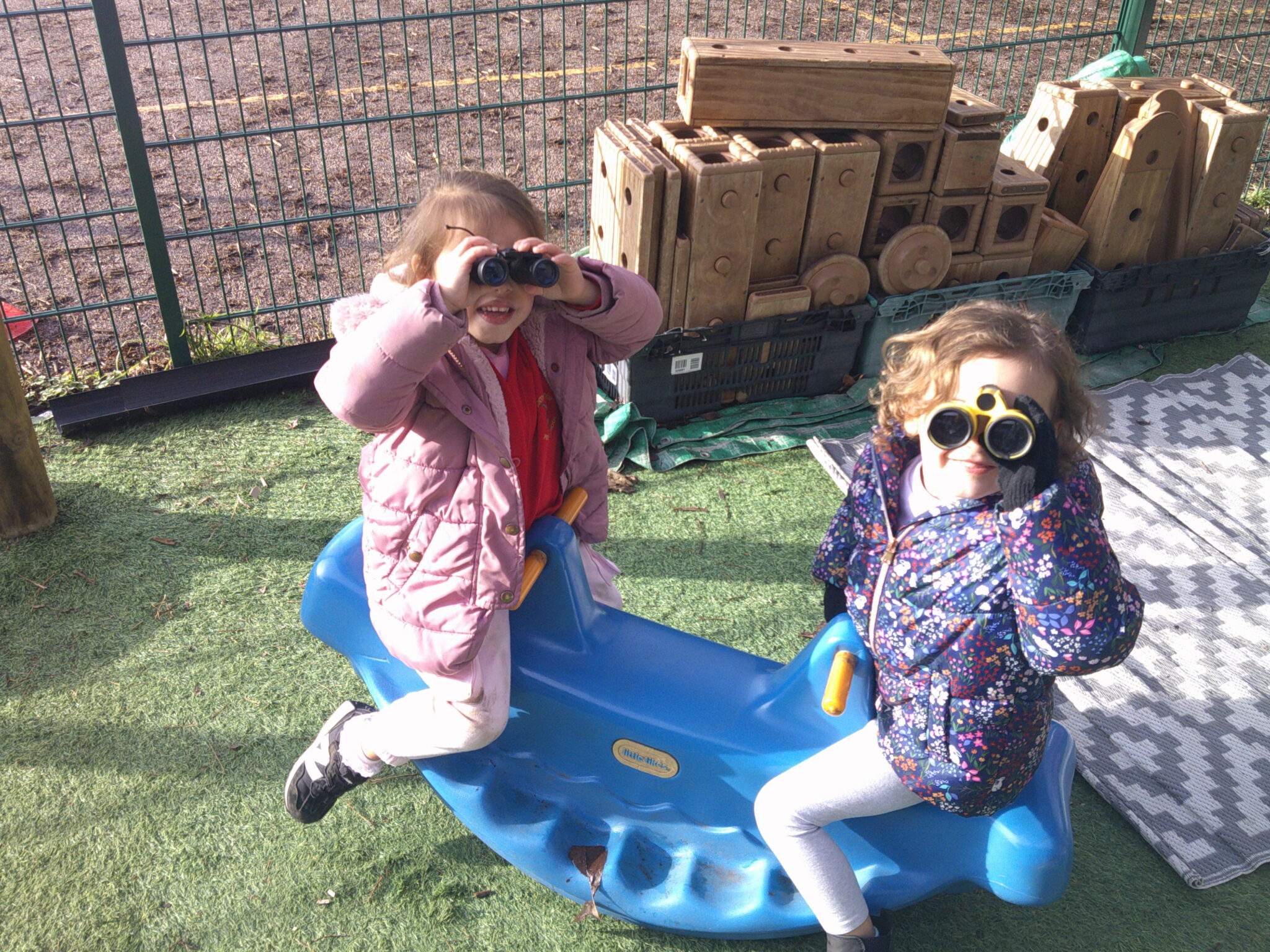
To continue with the children’s developing interest of bird watching, they talked about what would help them spot the birds from a distance. One of the children suggested “binoculars”. Whilst we have some toy binoculars, we don’t have enough for every child so they thought about what they could do to make them. They decided that toilet roll tubes would be perfect if they were stuck together. As you won’t be surprised to hear, we get through quite a lot of toilet rolls and we always keep the tubes to use in our self-selection craft area. The children chose their tubes and used a variety of ideas to stick them together to make their binoculars. They then used them to observe the birds that visited the garden, sometimes through a window inside and sometimes when they were outside in the garden.
Making lard bird feeders
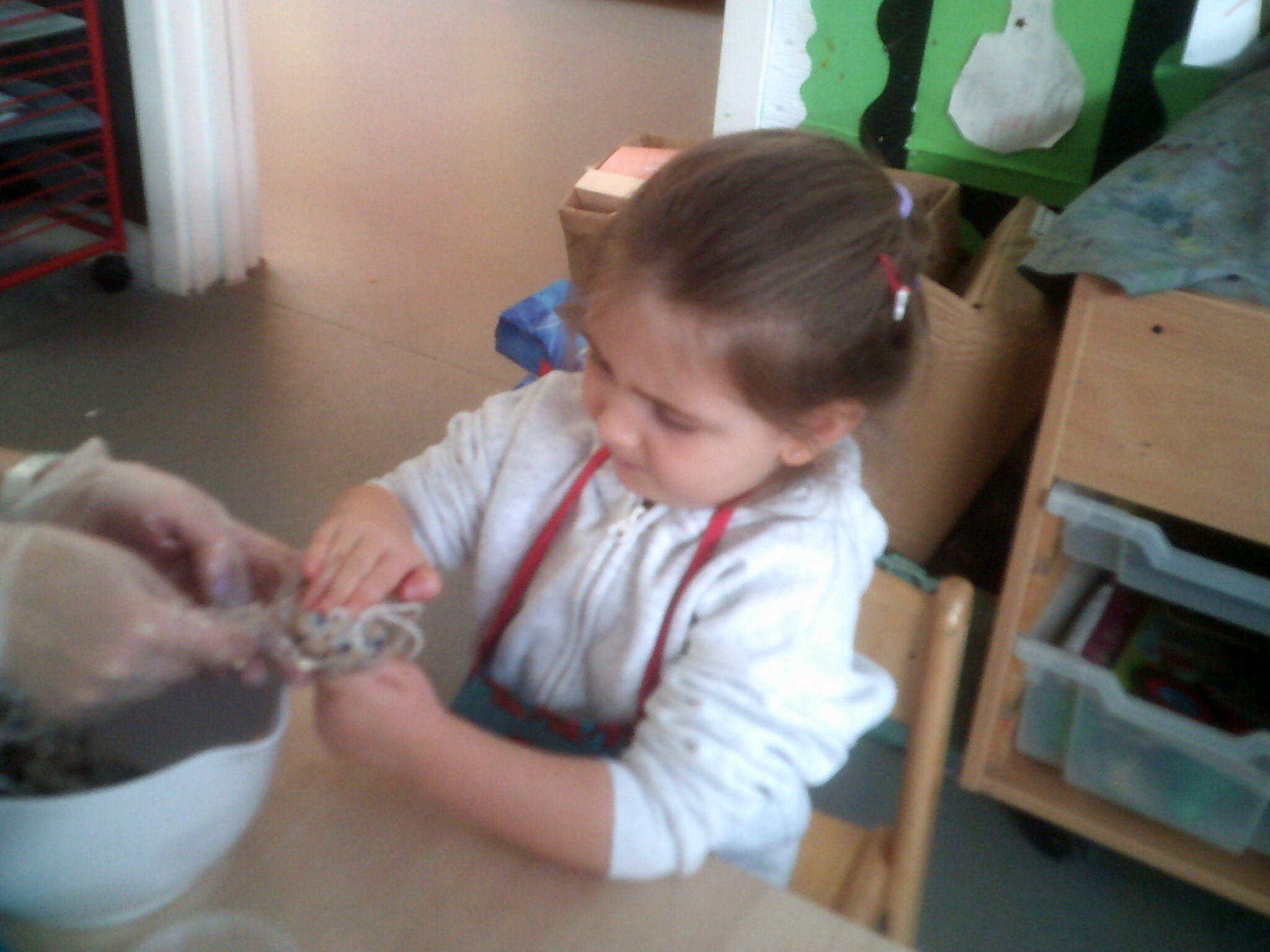
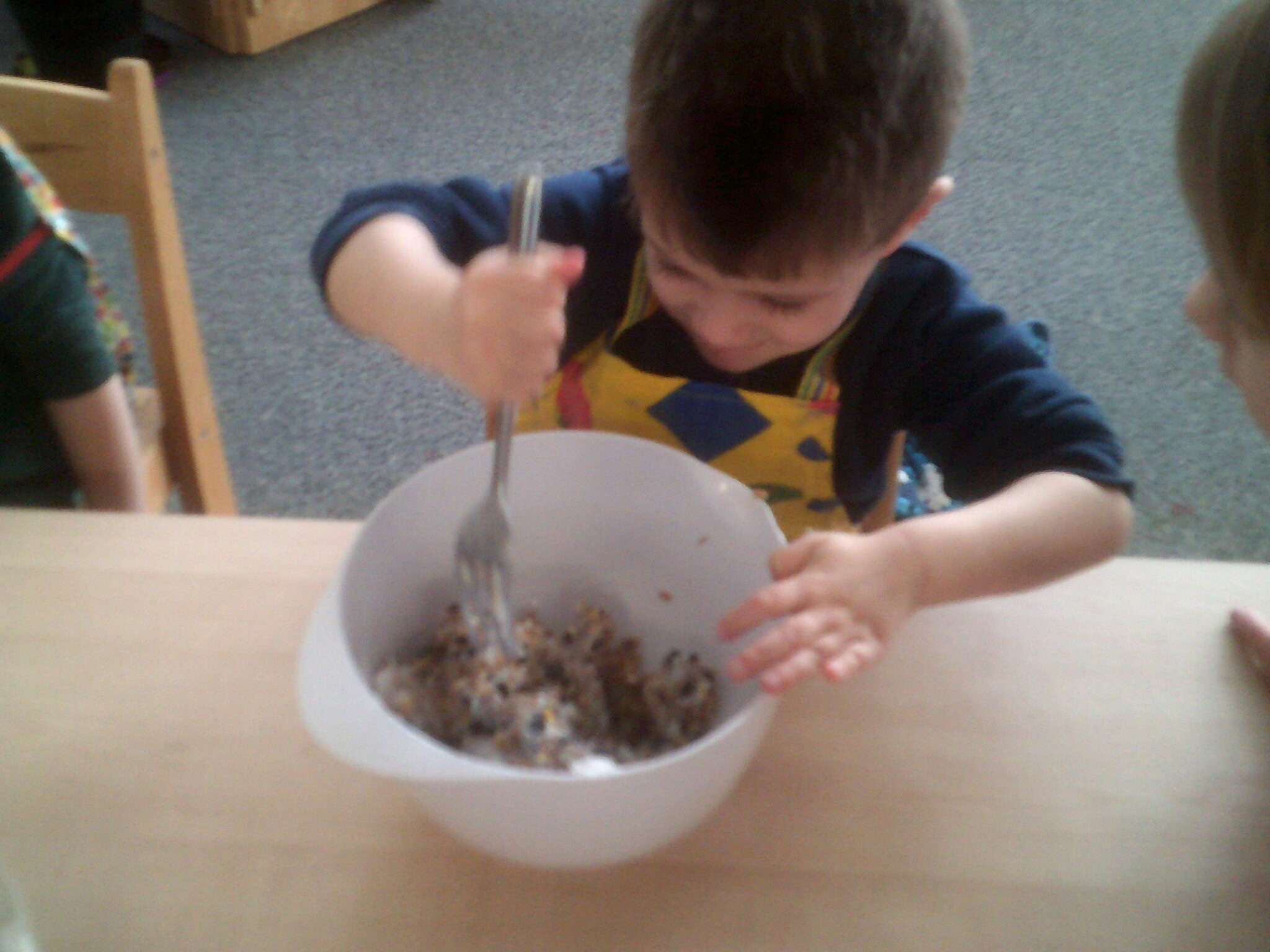
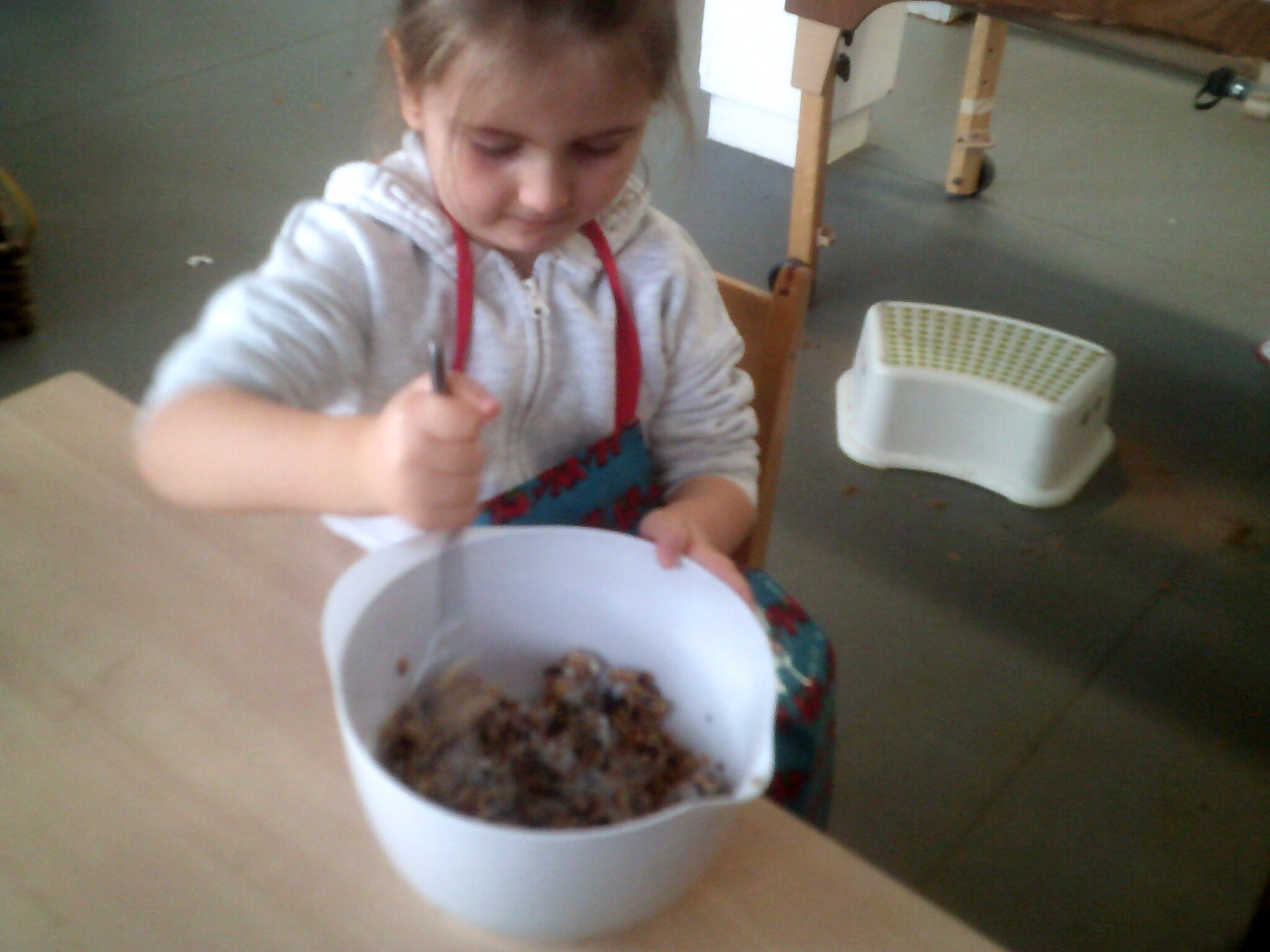
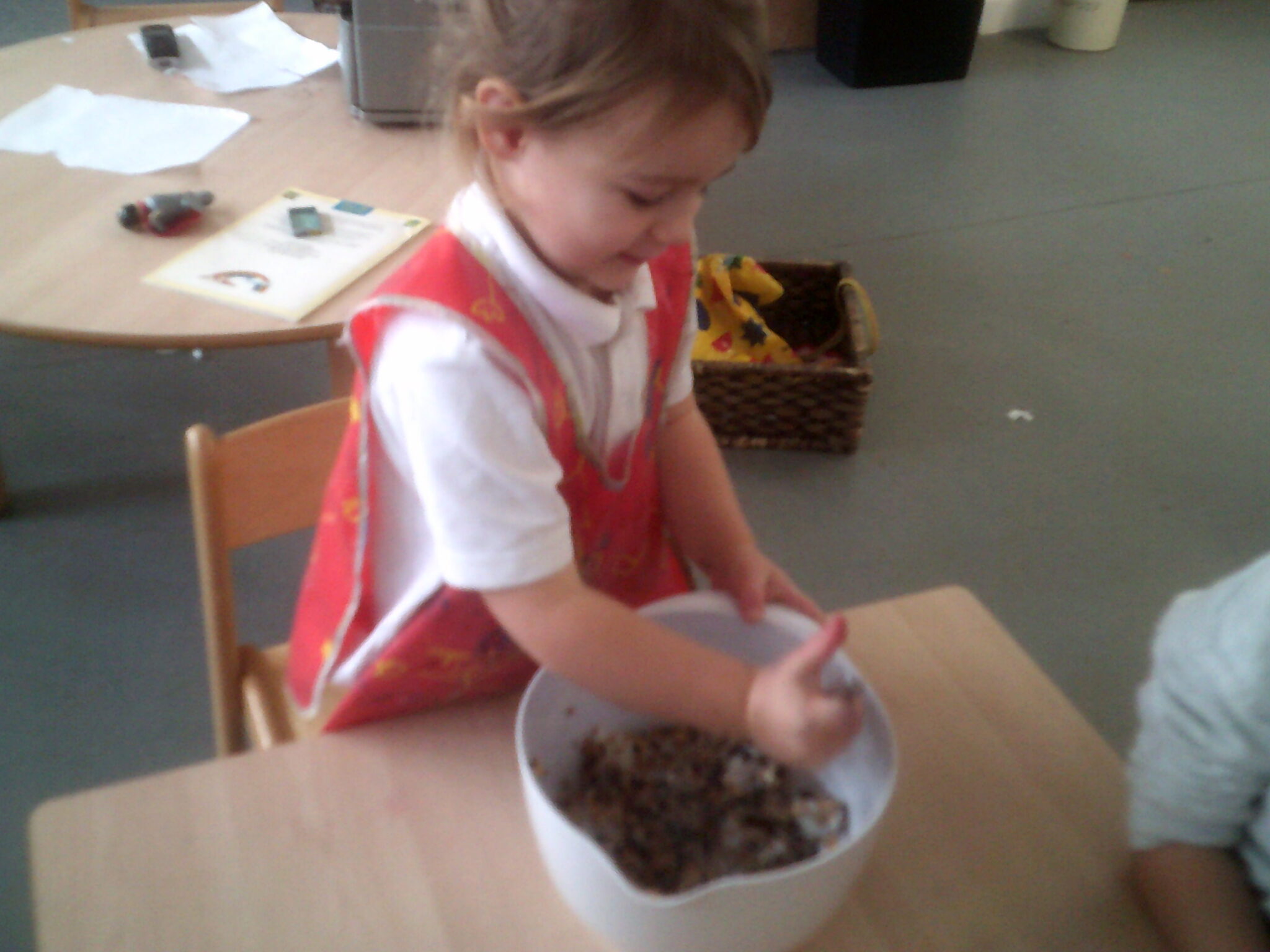
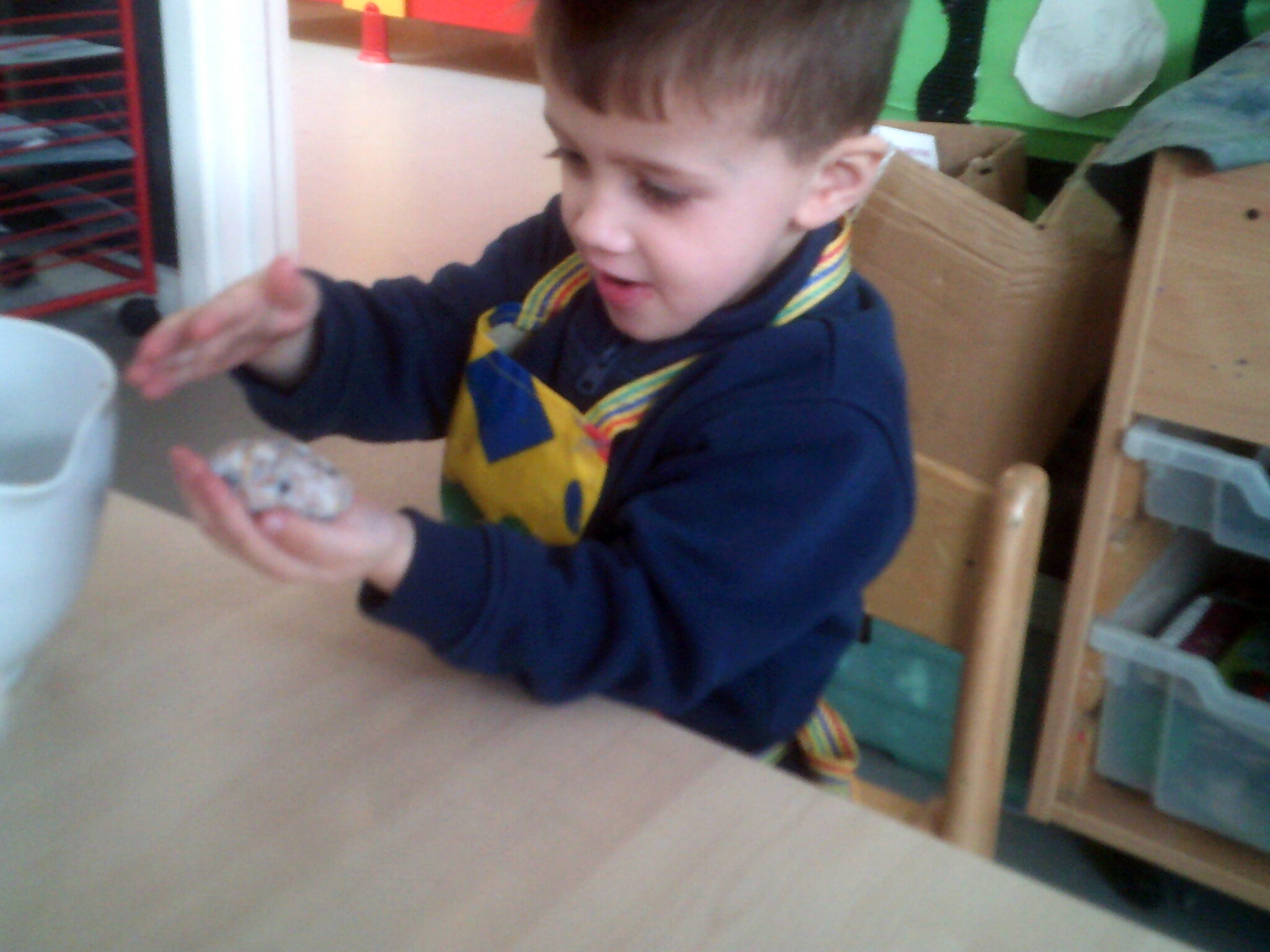
As we have been talking a lot about birds over the last few days, we wanted to extend the activity further by making lard bird feeders with the children. The teacher explained the process and demonstrated what the children needed to do. The children then carefully made their own bird feeders, some to take home, and some to leave at the setting. If your child took a bird feeder home, we should love to see some photos of the birds visiting it in the children’s outdoor space. Remember, you don’t need a garden to look after the wildlife, as we know that some families do not have their own garden; a communal space is equally important or even a plant pot or window sill.
There are photos on our Facebook page
Thank you.
The Pre-school Team