This week’s activity
The life-cycle of a butterfly
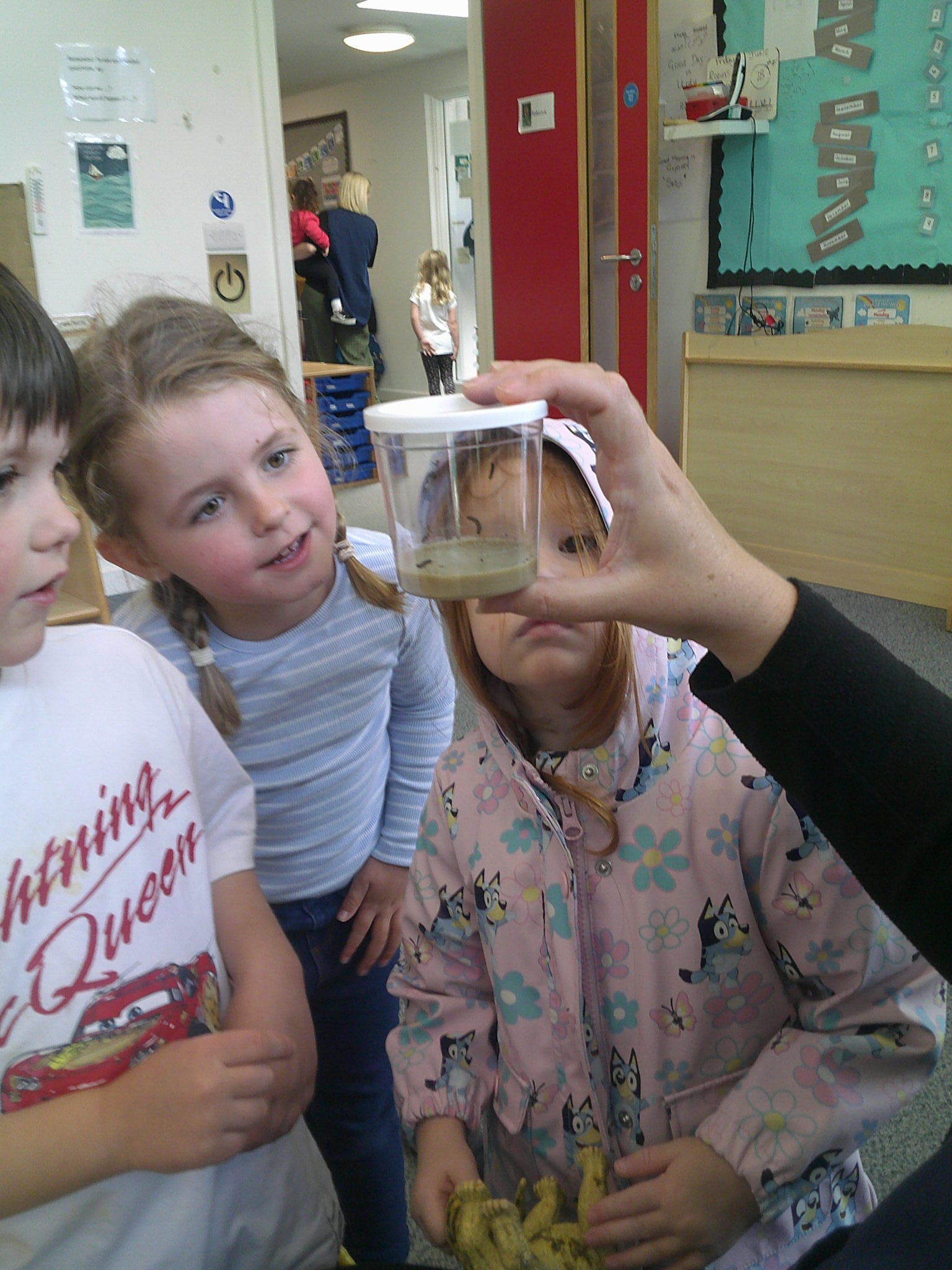
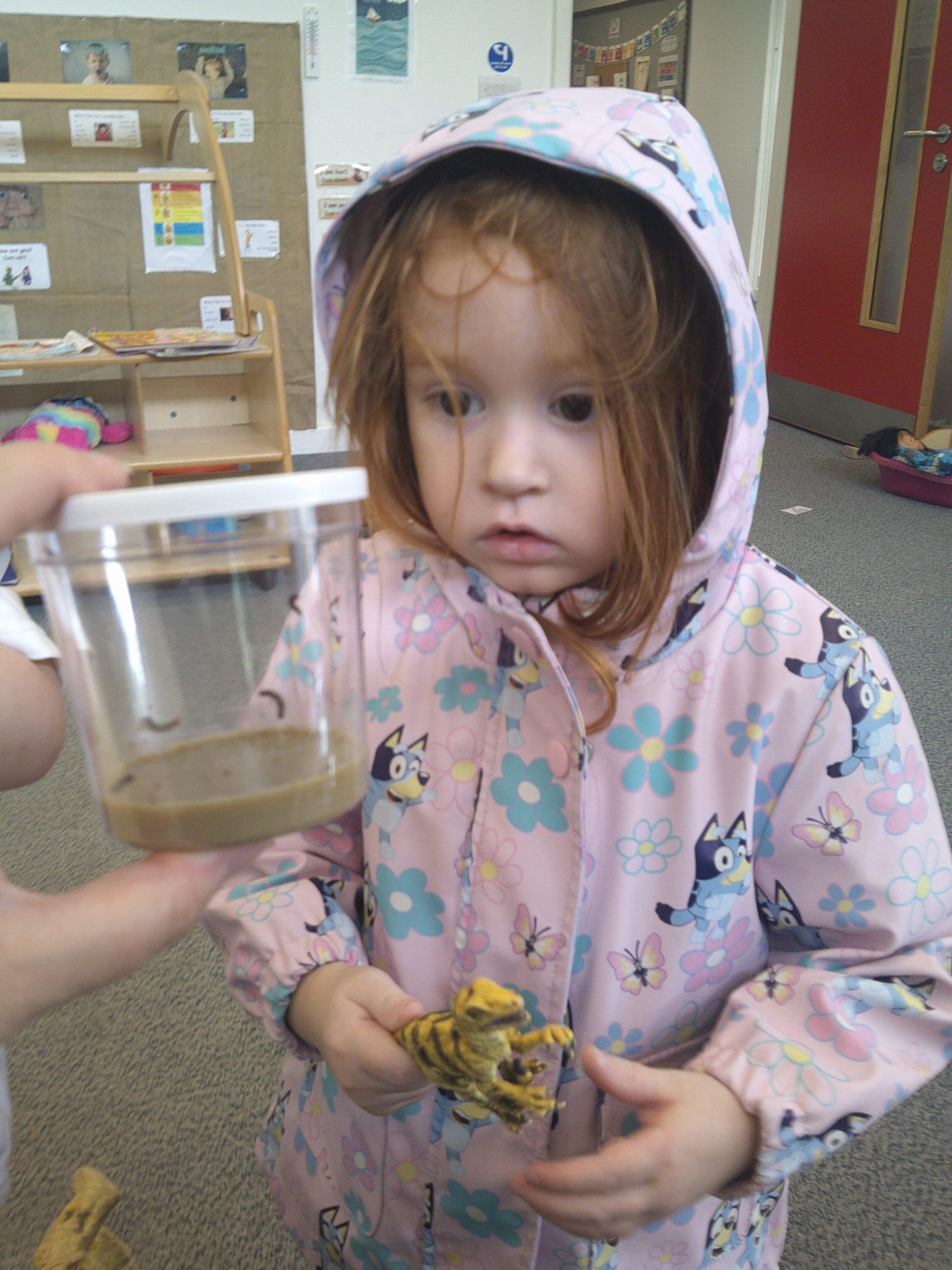
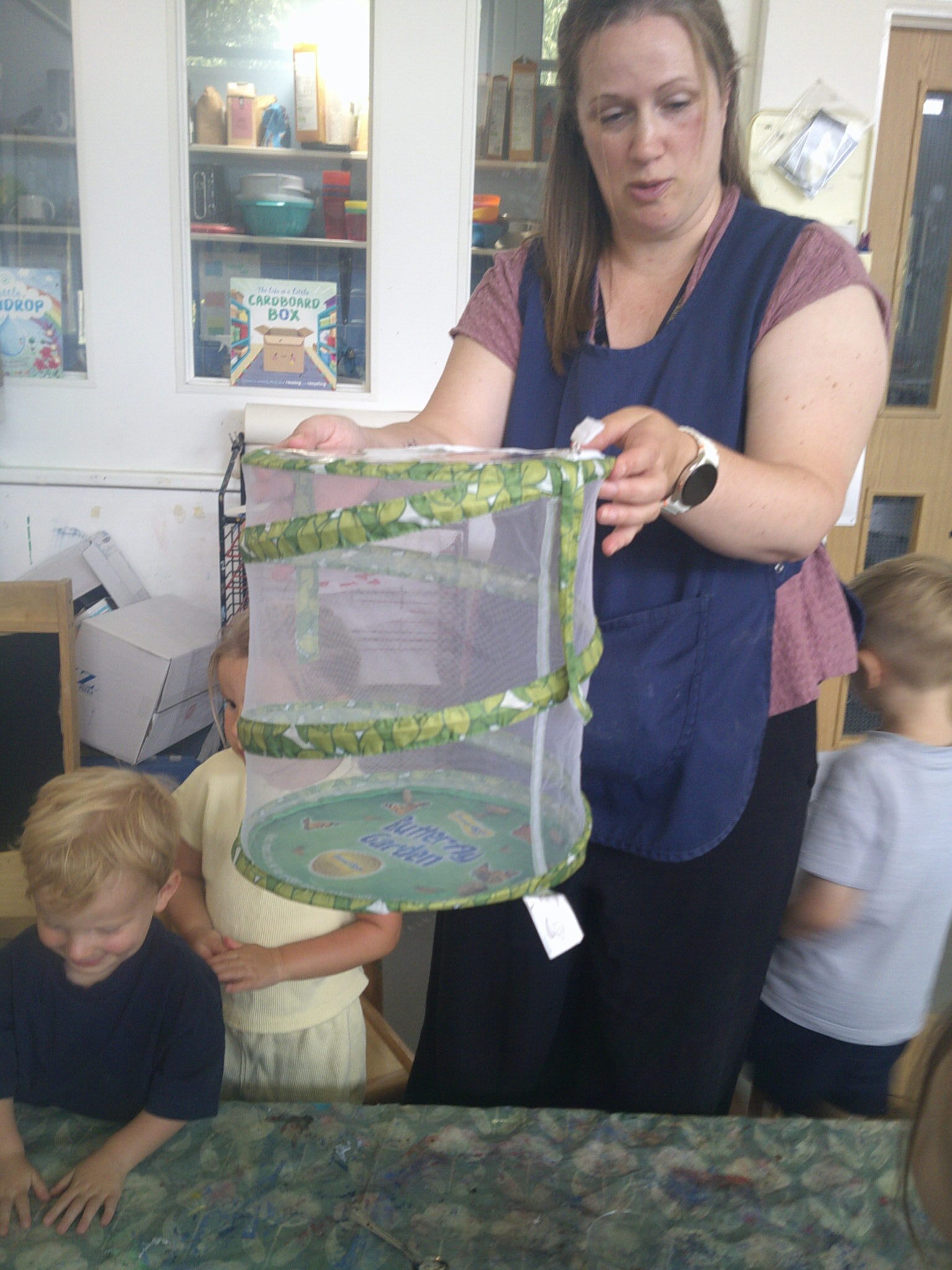
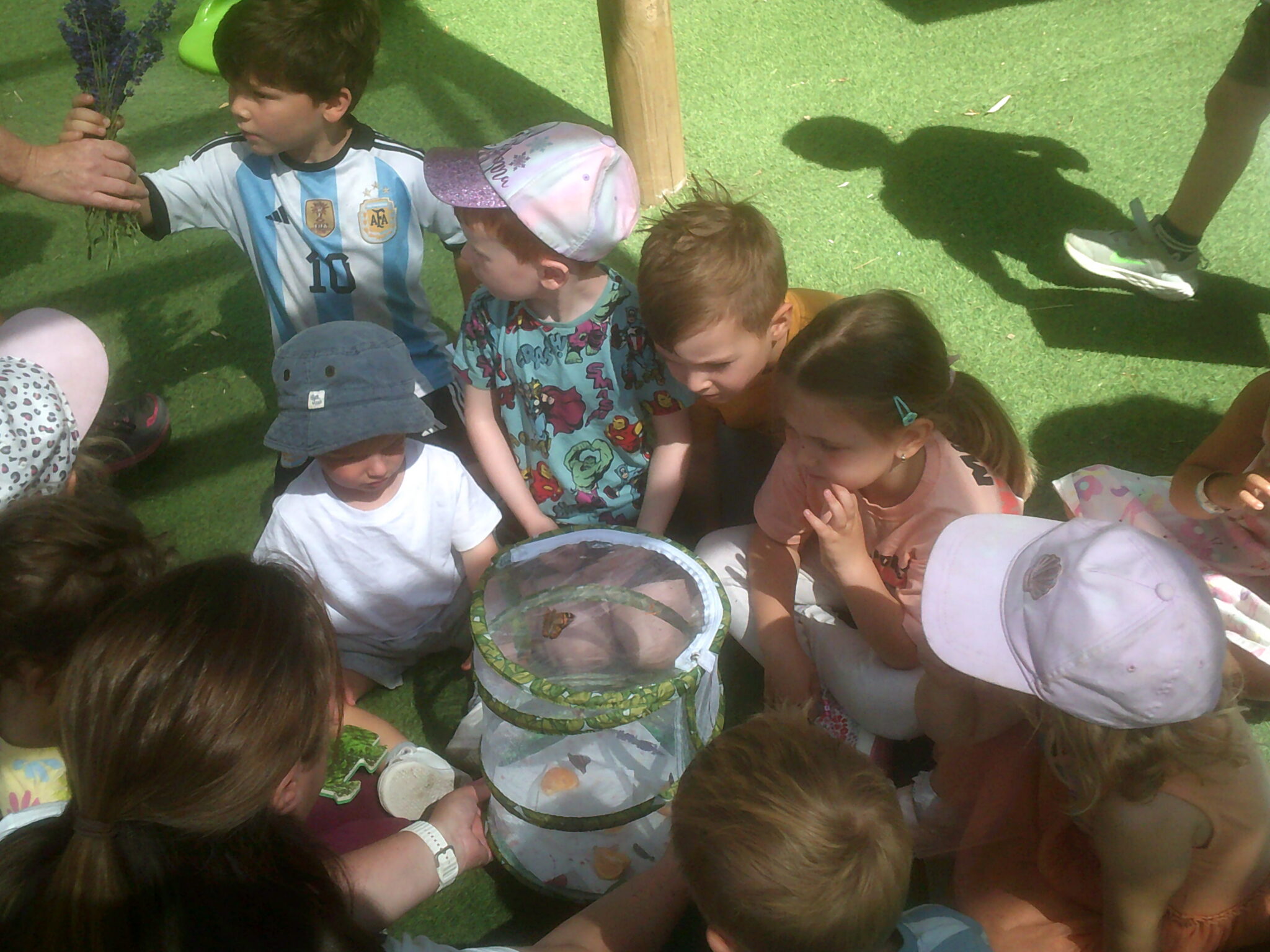
As in previous years, we have purchased a kit to allow the children to observe the real life-cycle of a butterfly. Two weeks ago, the children were very excited to receive our caterpillar kit. The kit comes with a small tub of caterpillars, with a supply of food. The children were very curious to watch the caterpillars as they moved around the tub and ate the food. One child commented that “they will turn into butterflies”. Once they were big enough, they were moved from the tub into a larger net-like container.
Every day, the children took some time to observe the caterpillars to see if there were any changes. One of the children noticed that “they are getting really big now”.
The children and teacher talked about what would happen next – “they will go into their cocoons and then will come out as butterflies”. Very smart.
The teacher explained that when the caterpillars are big enough, they will make silk, which they use to build their cocoons around themselves. She explained that another word for cocoon is chrysalis. Many of the children were unfamiliar with these words. She went on to explain that changes will be happening inside the chrysalis and that this process is known as metamorphosis – another new word.
To link and embed the children’s learning, they also read ‘The Very Hungry Caterpillar”. They looked for caterpillars and butterflies outside of the Pre-school, in our own gardens and on the School fields, during a ‘bug hunt’. The teacher used the nature reference books to show them the life cycle from caterpillar to butterfly/moth. There were also lots of opportunities to create their own caterpillars and butterflies, using a range of craft materials.
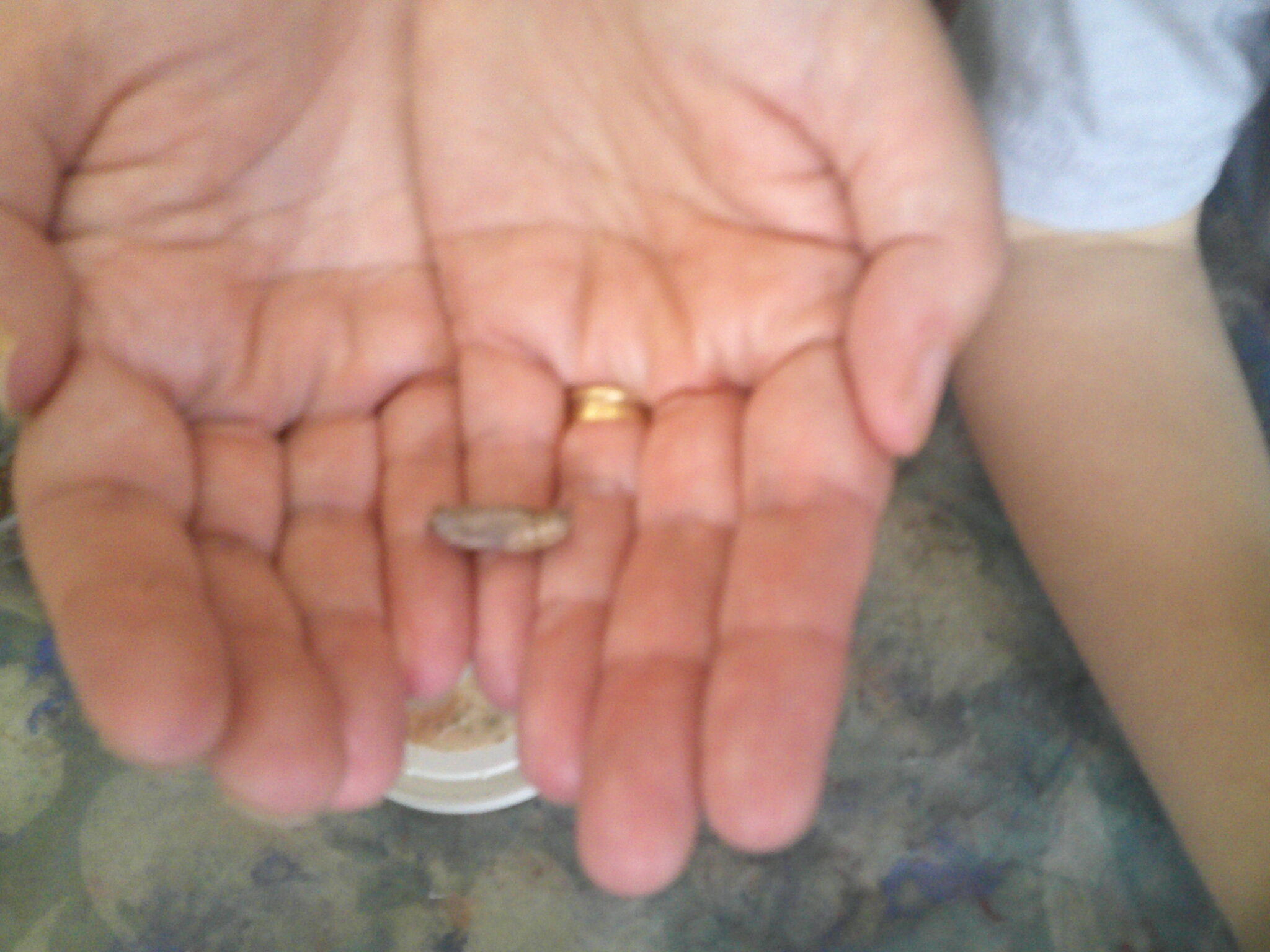
Within the first week, the caterpillars began to build their chrysalis and the children watched every day, waiting for them to emerge as butterflies.
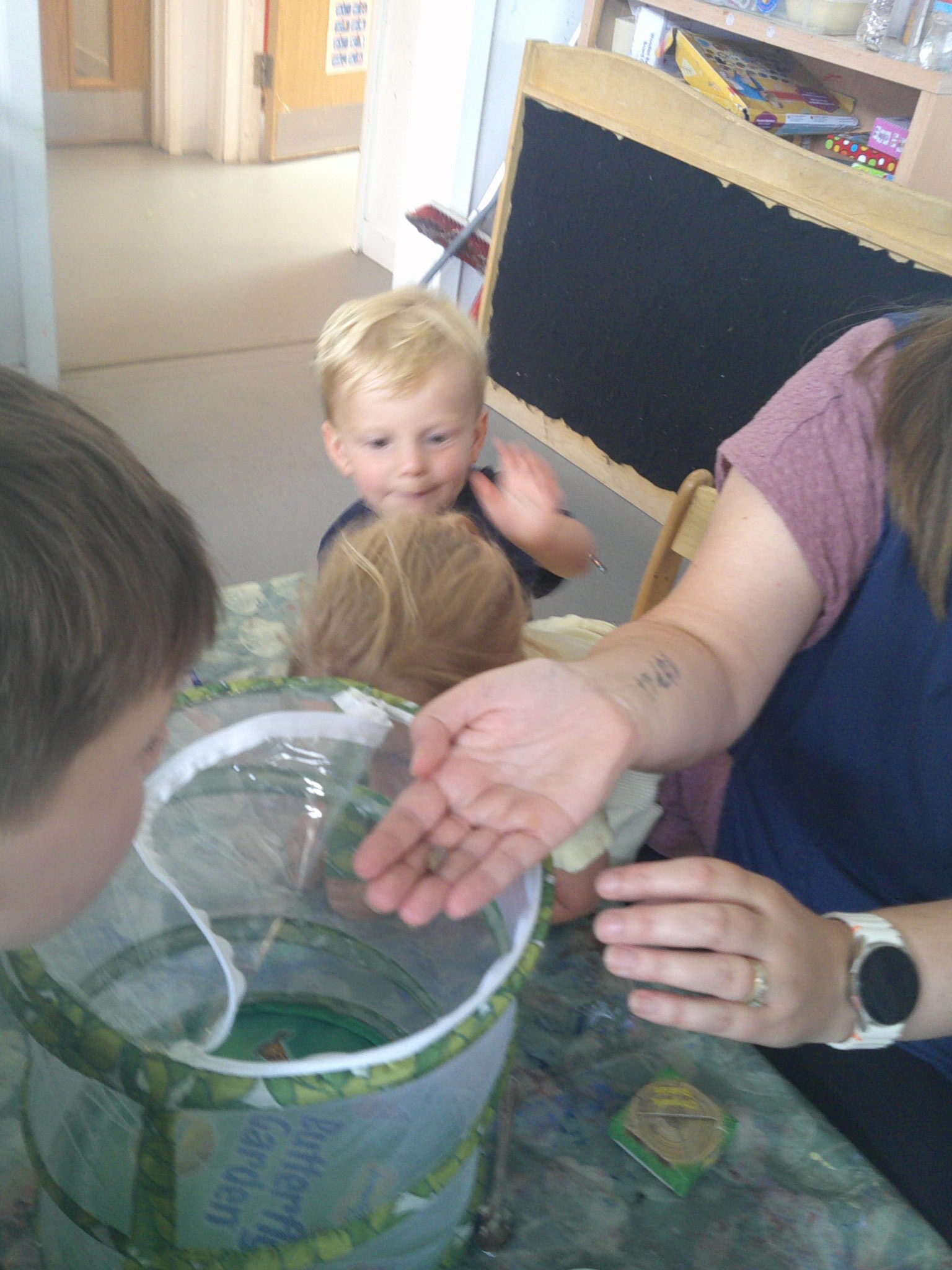
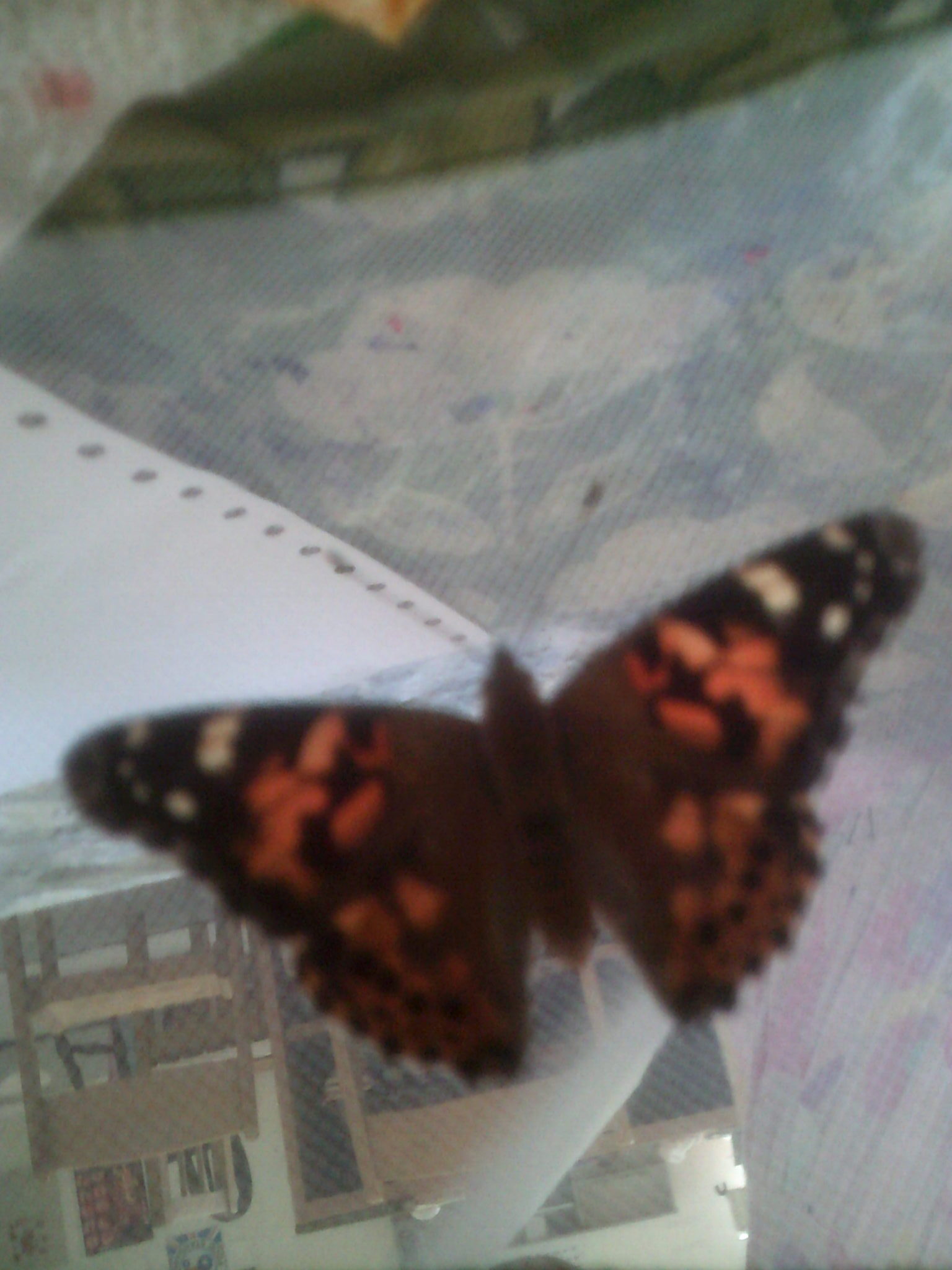
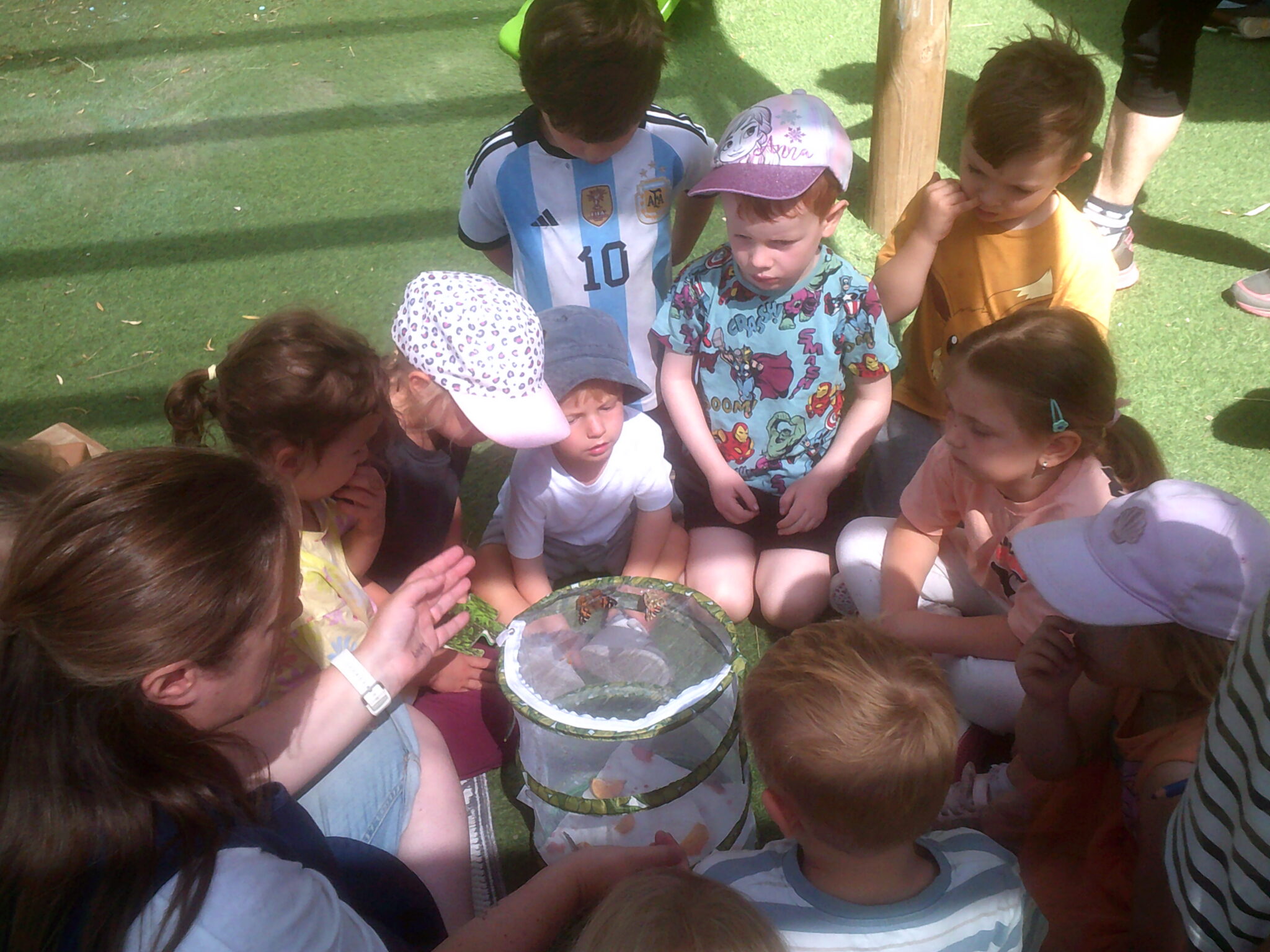
On Monday of this week, three of the five butterflies hatched. The children were very excited. One of the children has been caring for their very own caterpillars at home and she told the children “they are called painted lady butterflies”. The children took it in turns to carefully observe the butterflies as they unfurled and spread their wings. They were fed nectar (sugar water) and orange segments to give them energy.
The children remembered from our previous activities around bees, that we had given a couple of bees sugar water when they were tired or didn’t have enough energy to fly. One of the children asked “do they get nectar from flowers like bees do?” Great question.
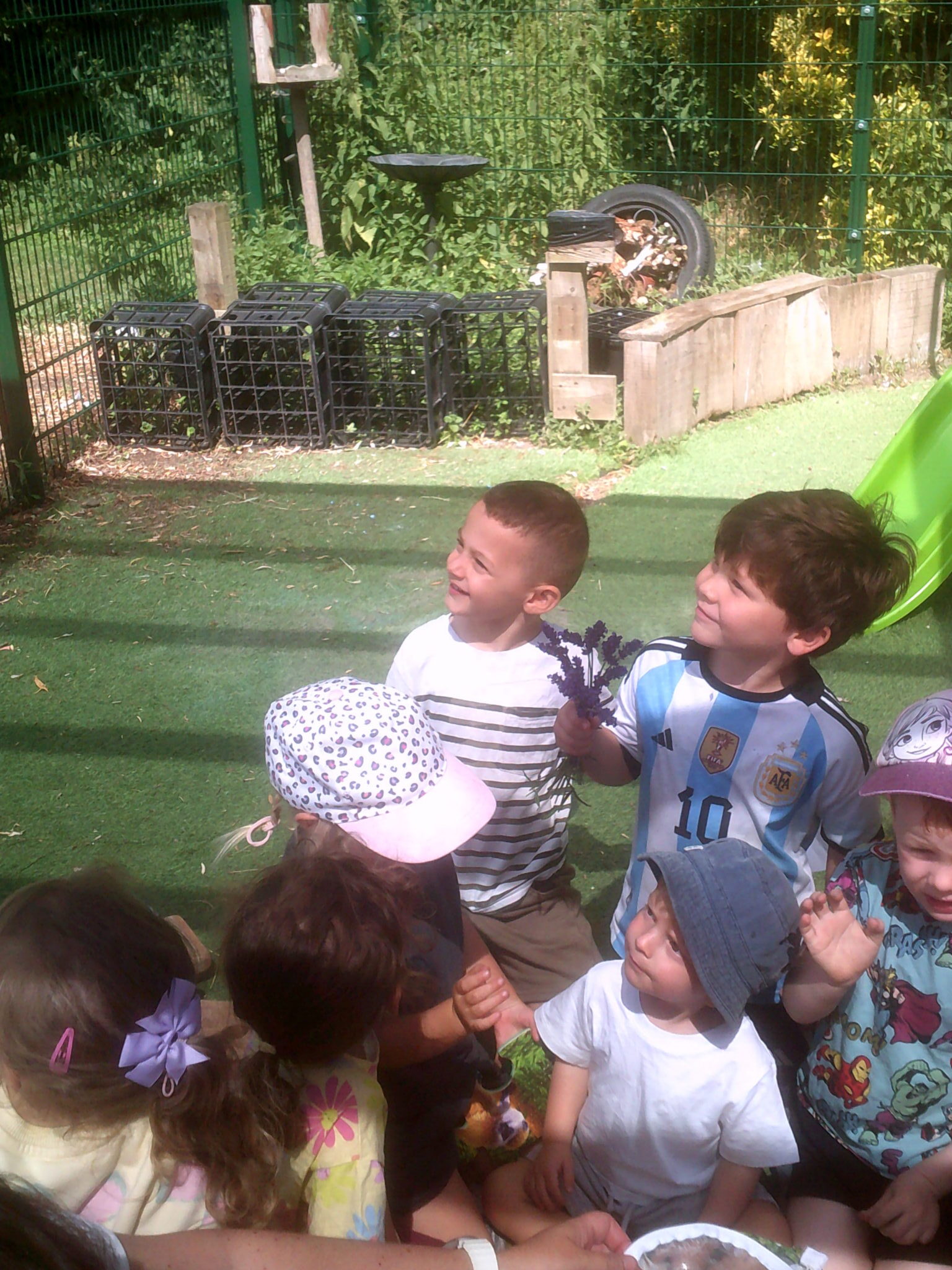
On Tuesday, the last butterfly hatched. Once they were all rested and fed, on Wednesday it was time to release the butterflies into the wild. The children were really interested to see the butterflies take to the air and fly off. They waved goodbye and cheered as the butterflies flew away, with one child noticing “that one’s landed in the tree”.
There are photos on our Facebook page
Thank you.
The Pre-school Team