This week’s activities
Maths is everywhere!
We understand that as parents you want your child to be ‘learning’ and you may think about your own school days and remember learning to count by rote, or memorising times tables and the names of shapes. Whilst these will no doubt form part of your child’s educational learning journey as they progress through school, we help children develop and understand mathematical concepts through hands-on and interactive learning through play, using their interests as a spark.
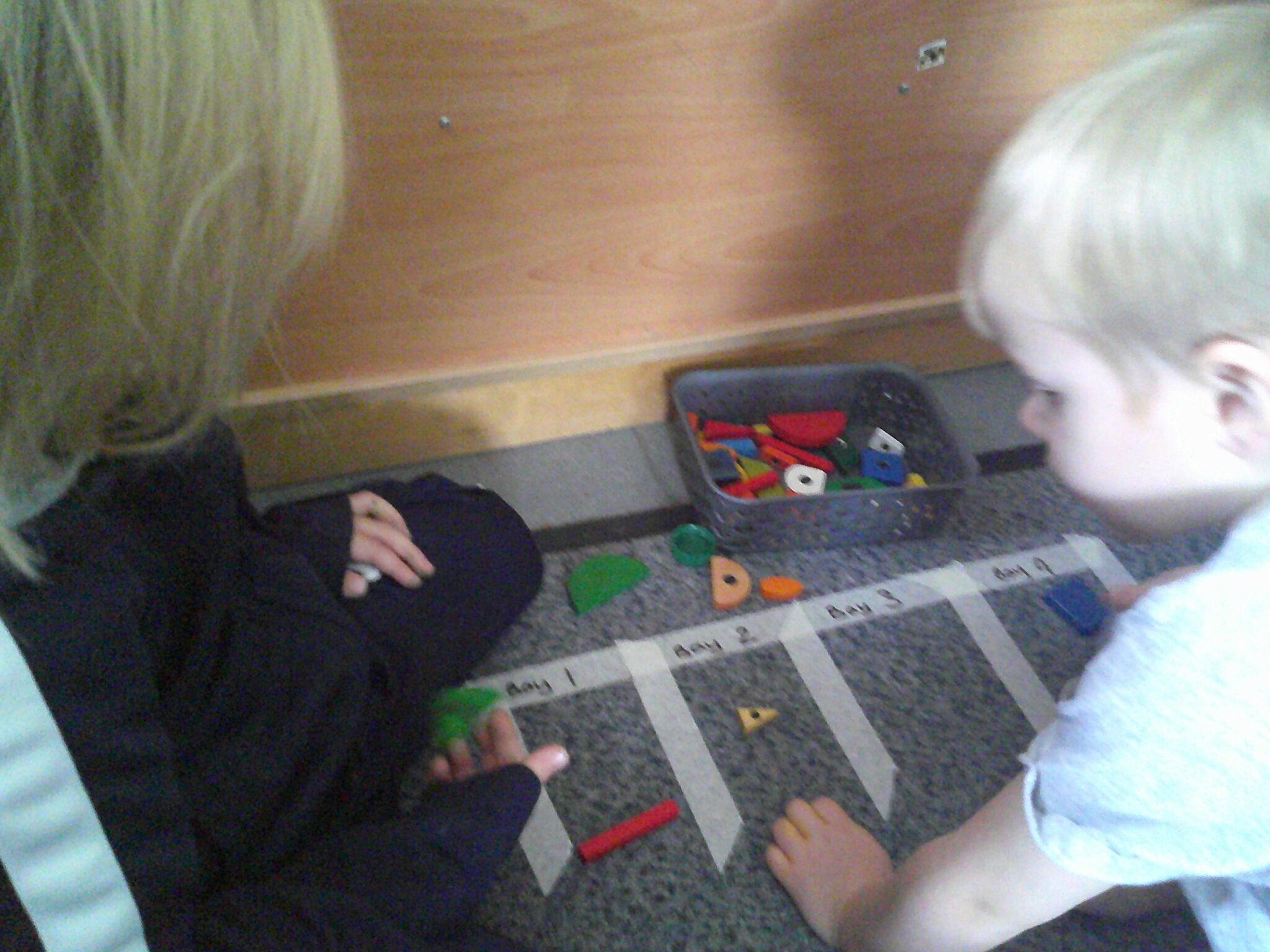
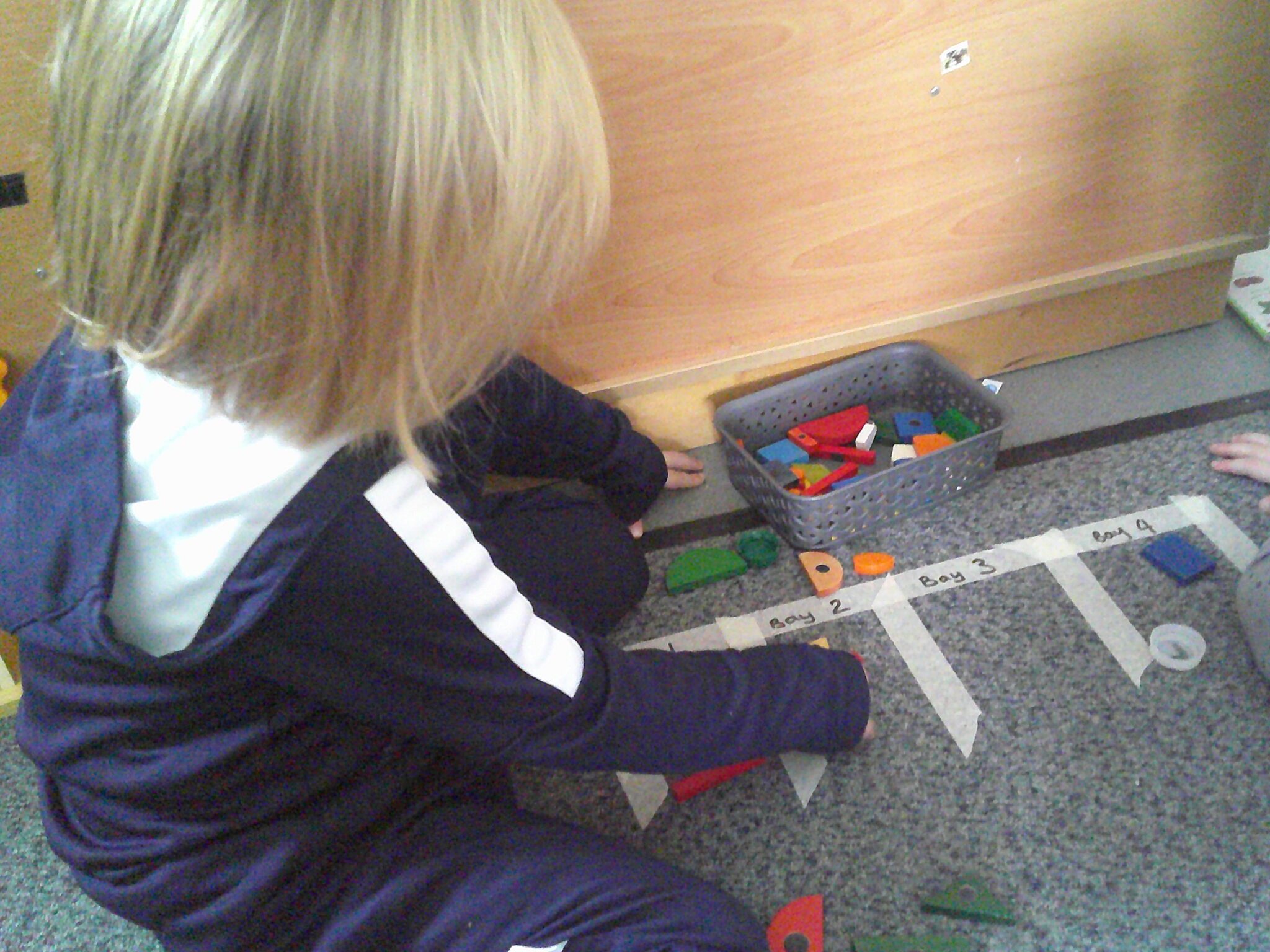
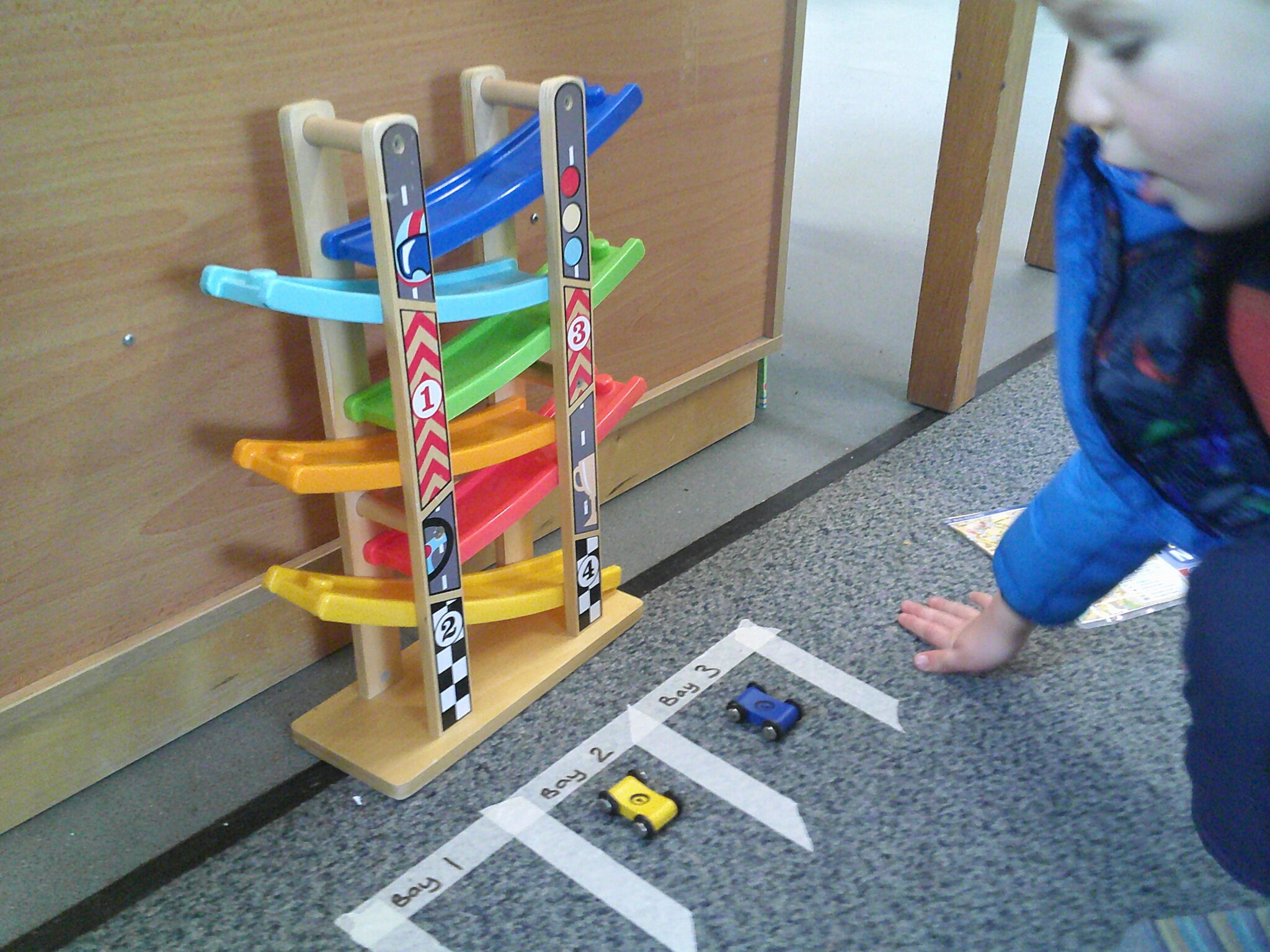
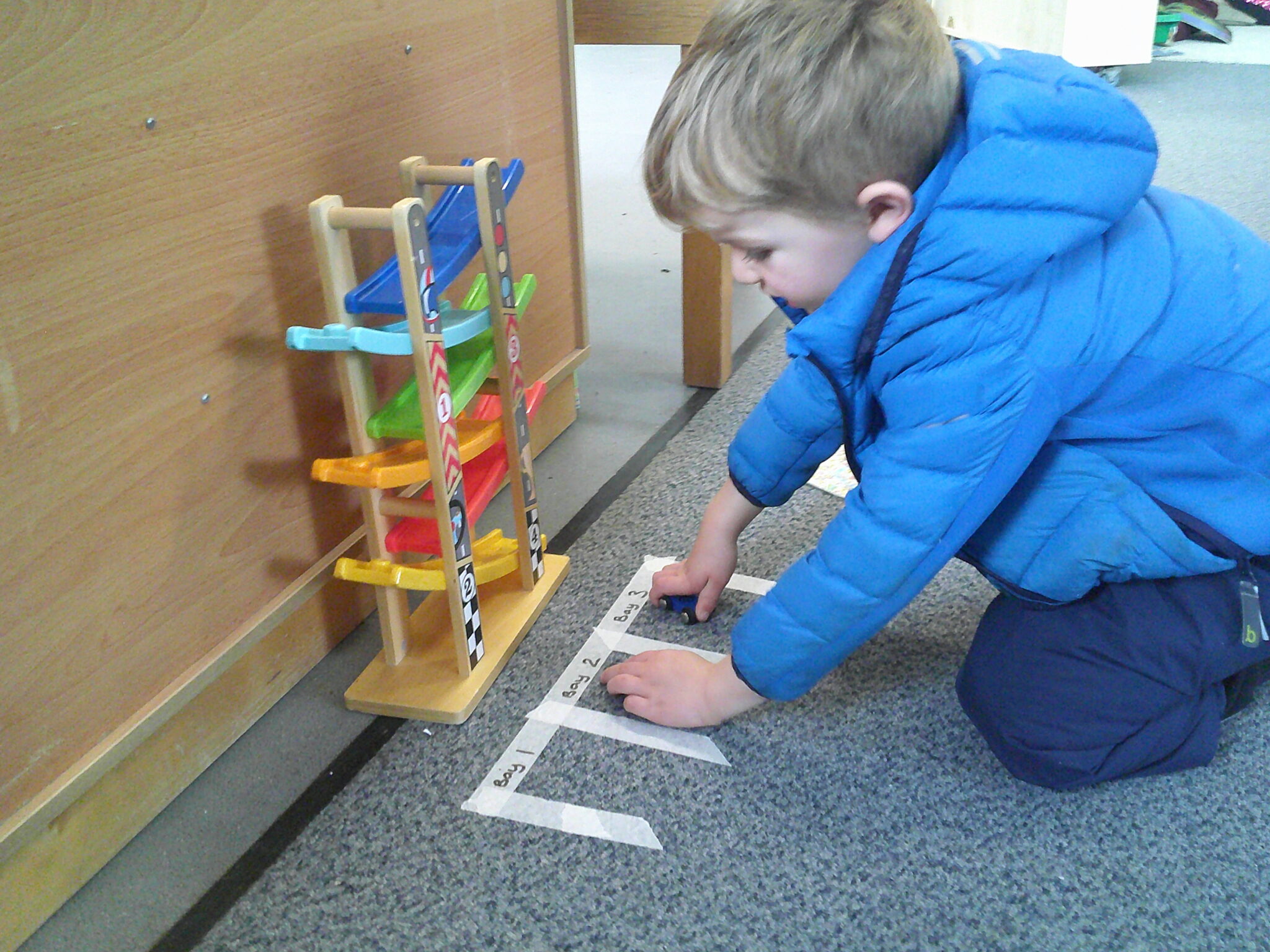
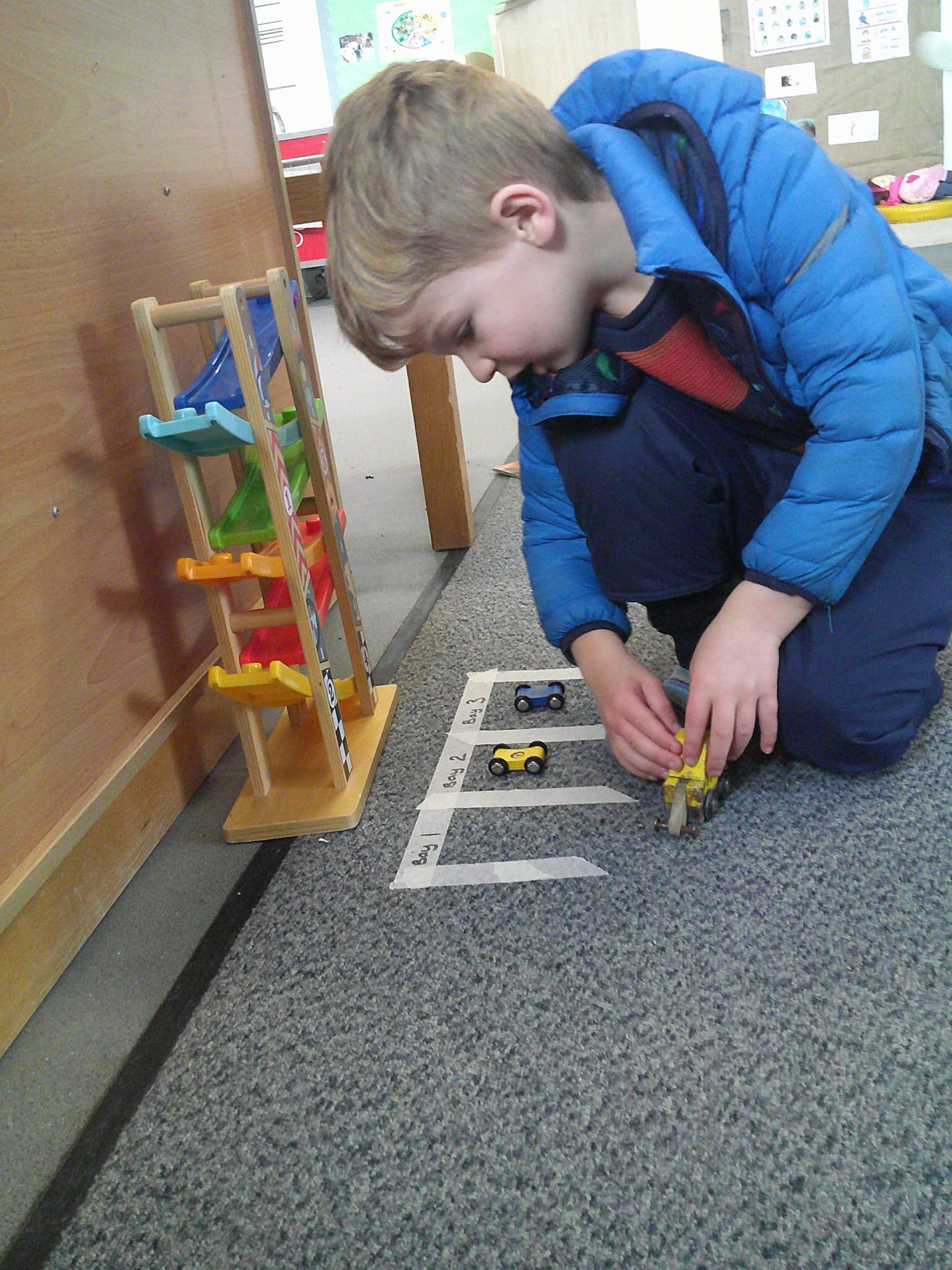
Many of the children access the block play area and we add differing small world resources into this area as a provocation for learning. Lots of the children like playing with the vehicles. This was the spark that led to one of the teachers creating a maths activity involving what the children already loved and extending their learning in the moment. She created parking bays on the carpet using masking tape (this is easy to do at home too), with each parking bay having a number. At this stage, the children’s interest was in the cars, however, seeing the numbers in their play began conversations linking numerals to quantity, so if they had one car, this could go in the bay marked with a 1, then two cars in bay 2, etc.
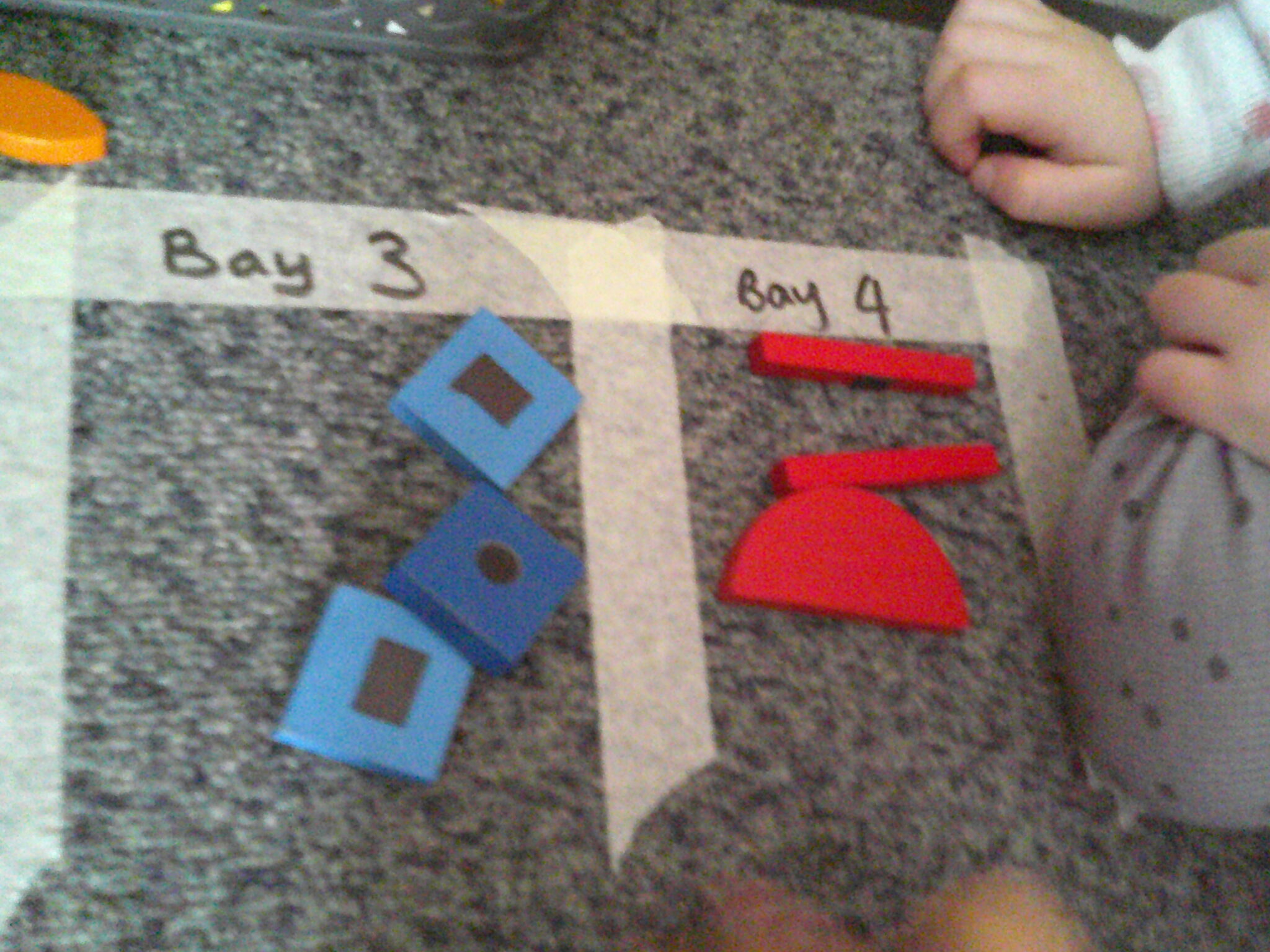
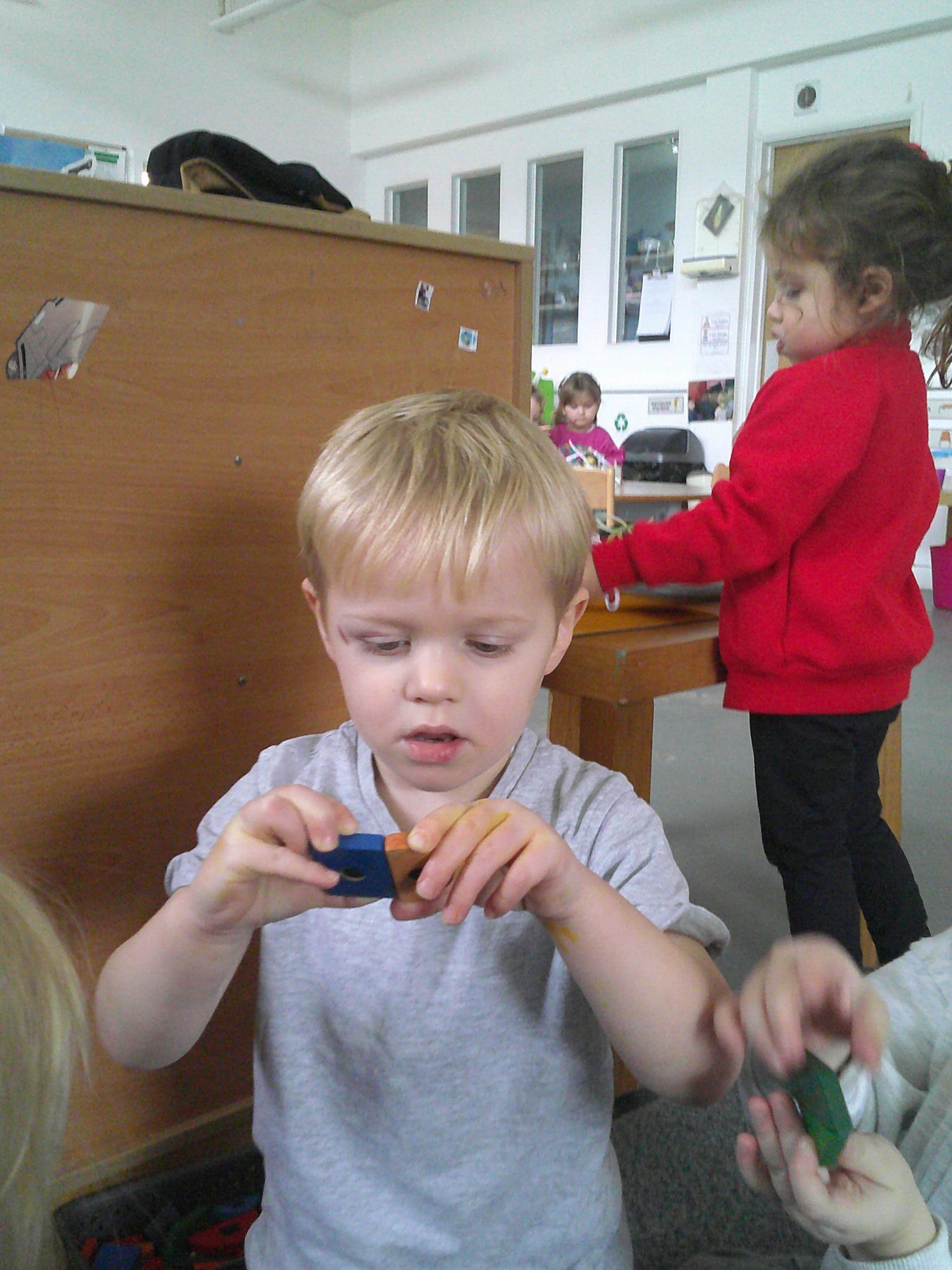
The children developed their own play and learning by introducing some of our loose parts resources (these are resources that do not have a specific aim, such as buttons, pine cones, pieces of wood, pegs, etc – the options are endless). They began to match the loose parts to the bays, organising them by quantity, then separating them into colour, size and shape.
Hands on learning helps connections form in a young child’s brain. That is why we plan and teach in the moment, using a child’s interests to develop their understanding and skills.
Making musical instruments
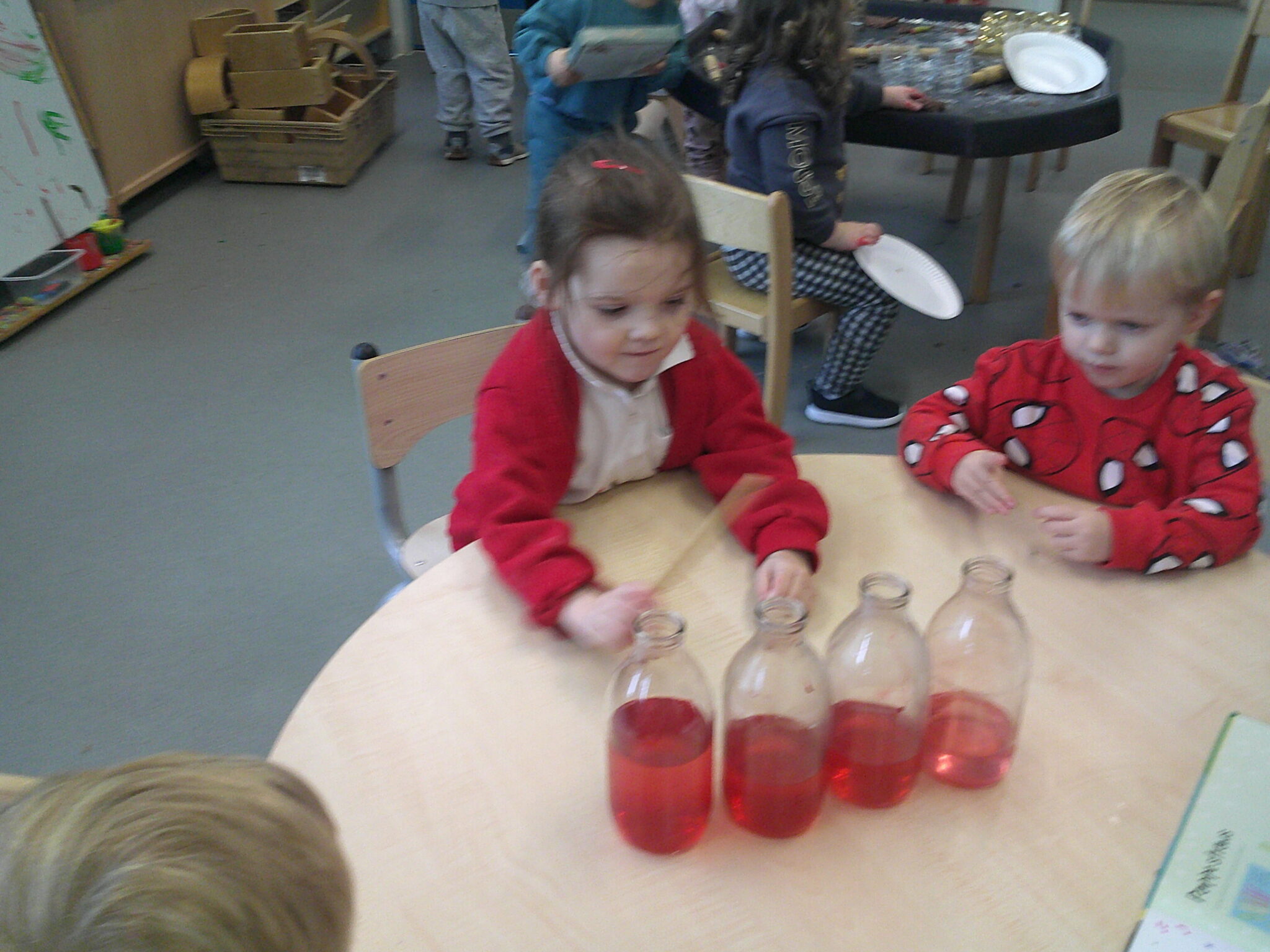
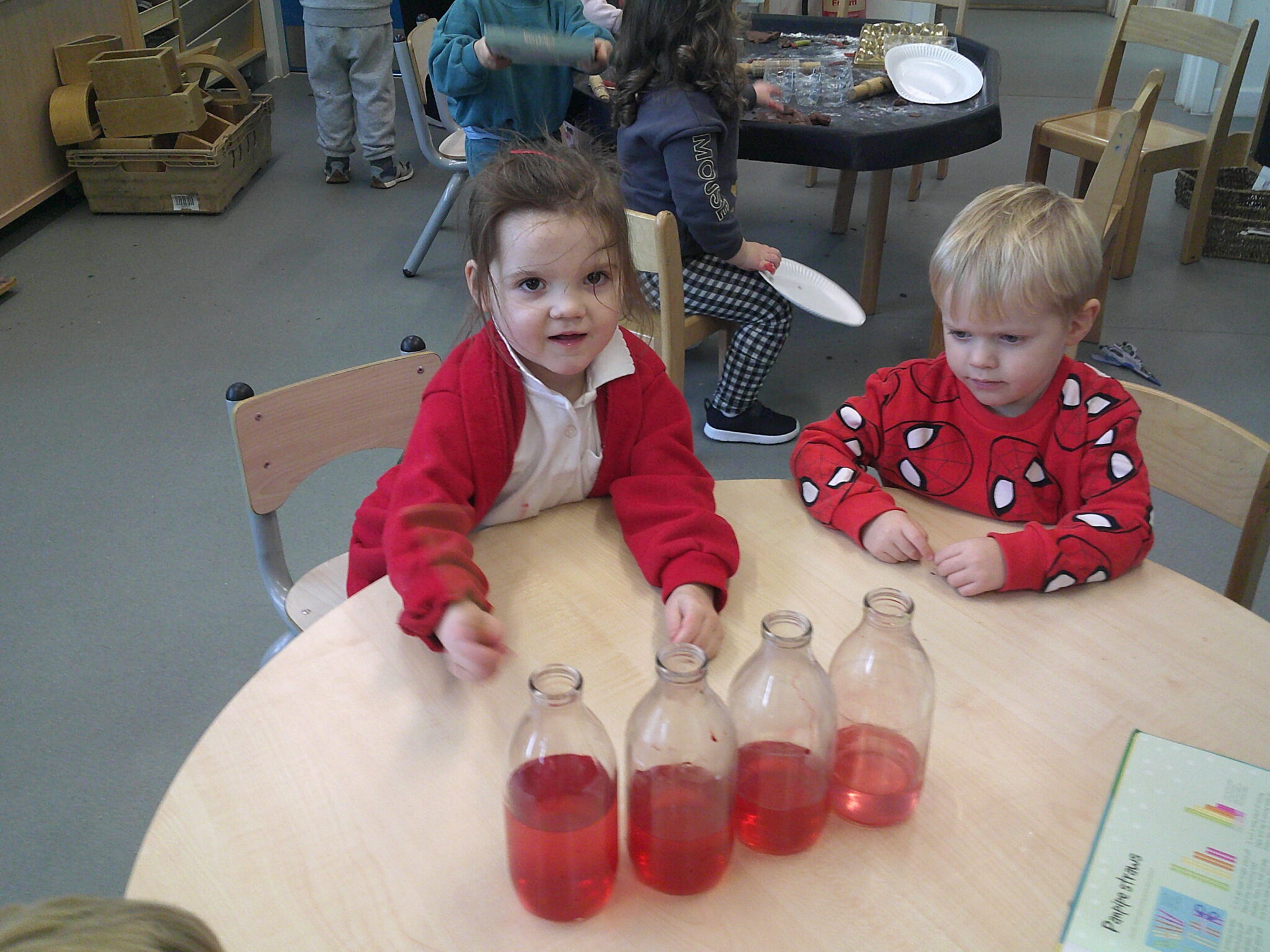
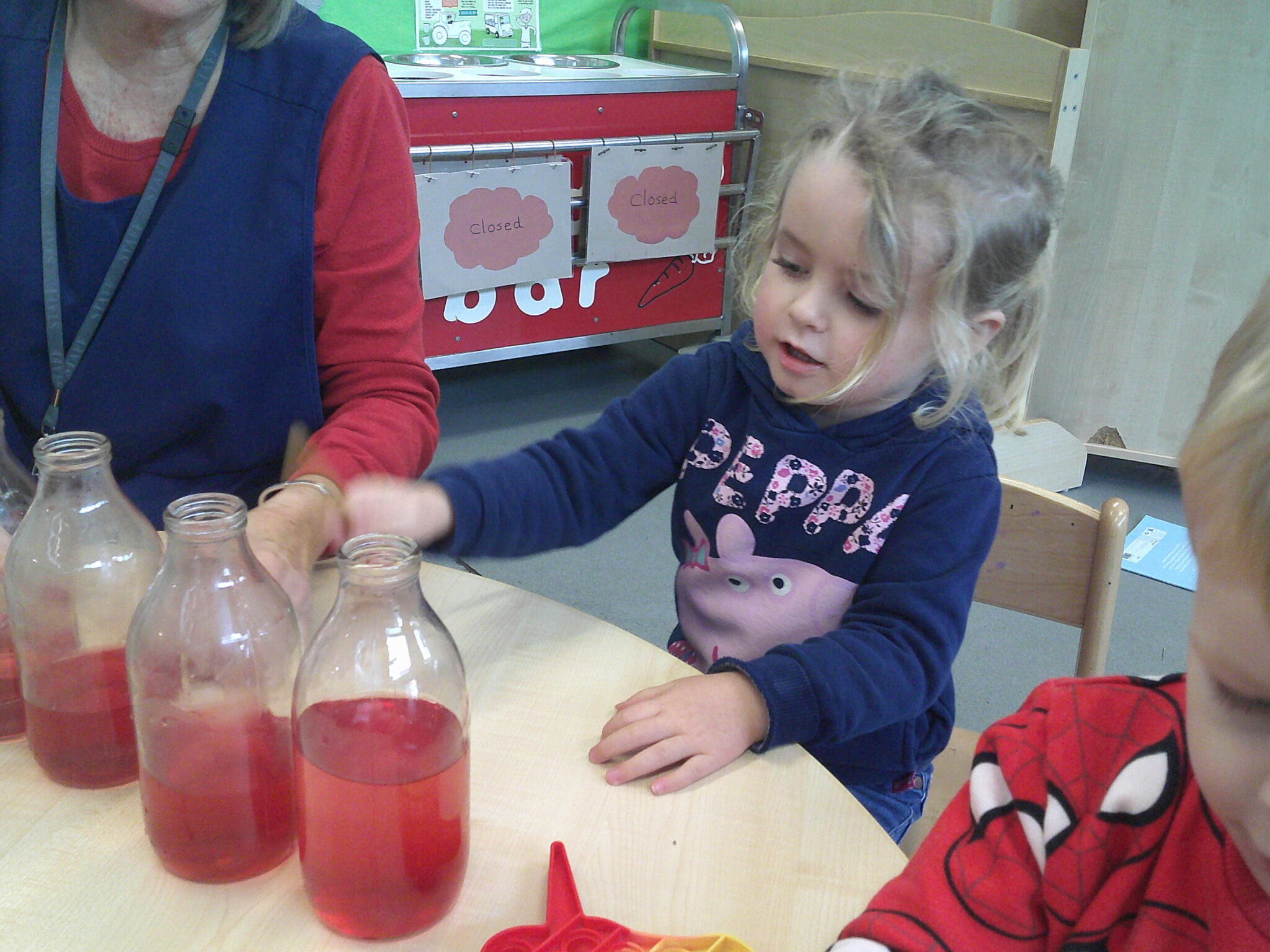
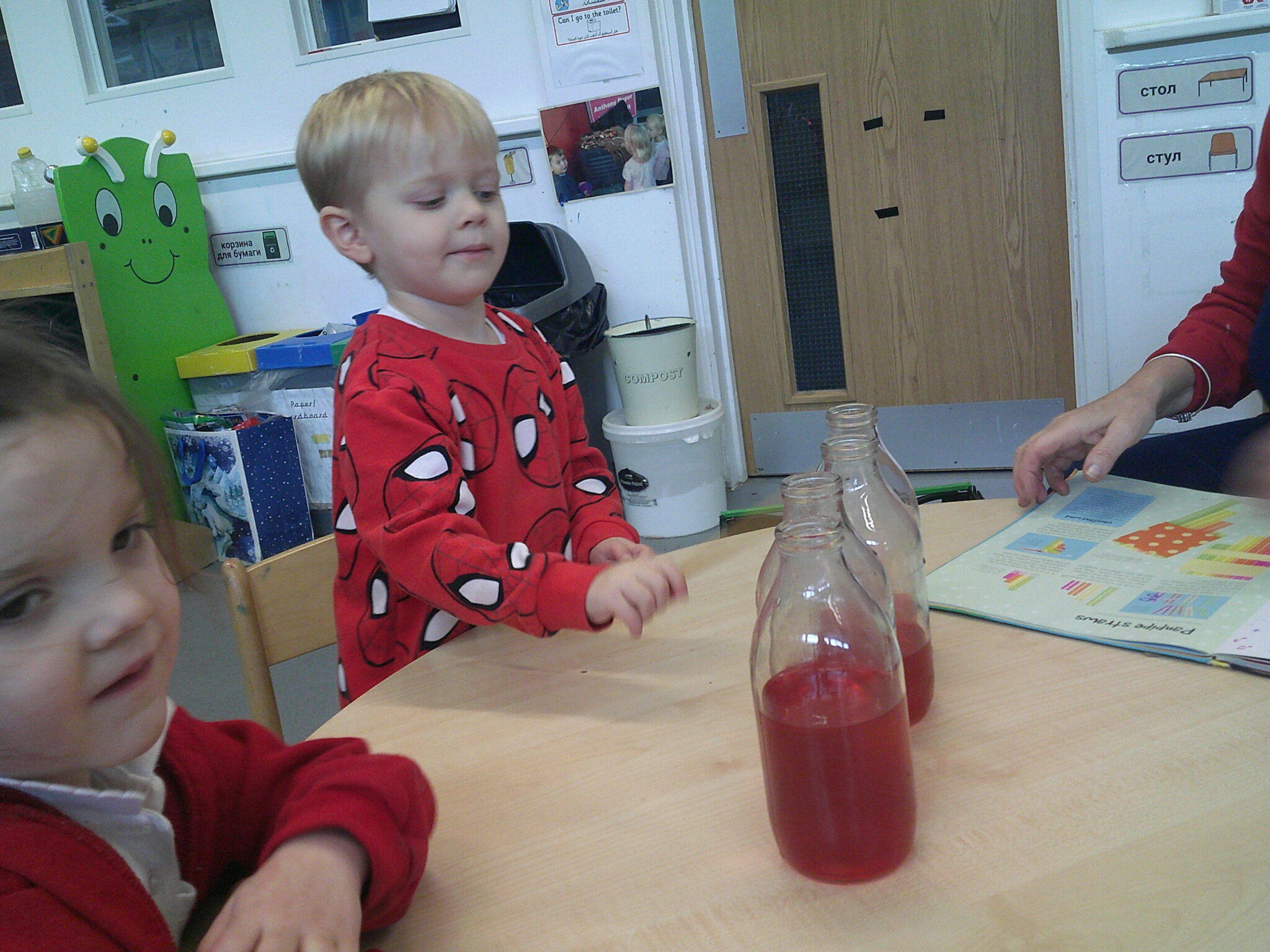
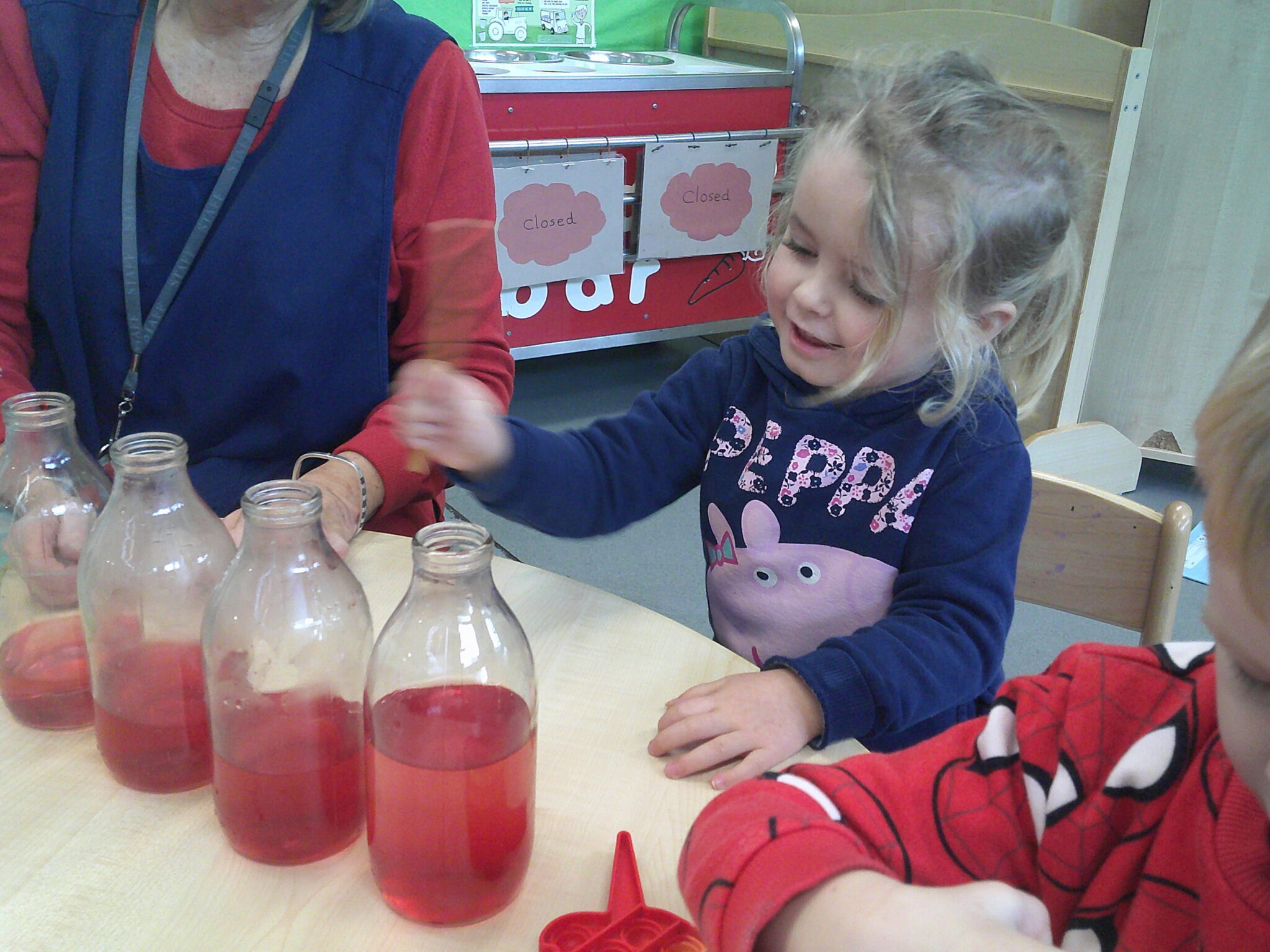
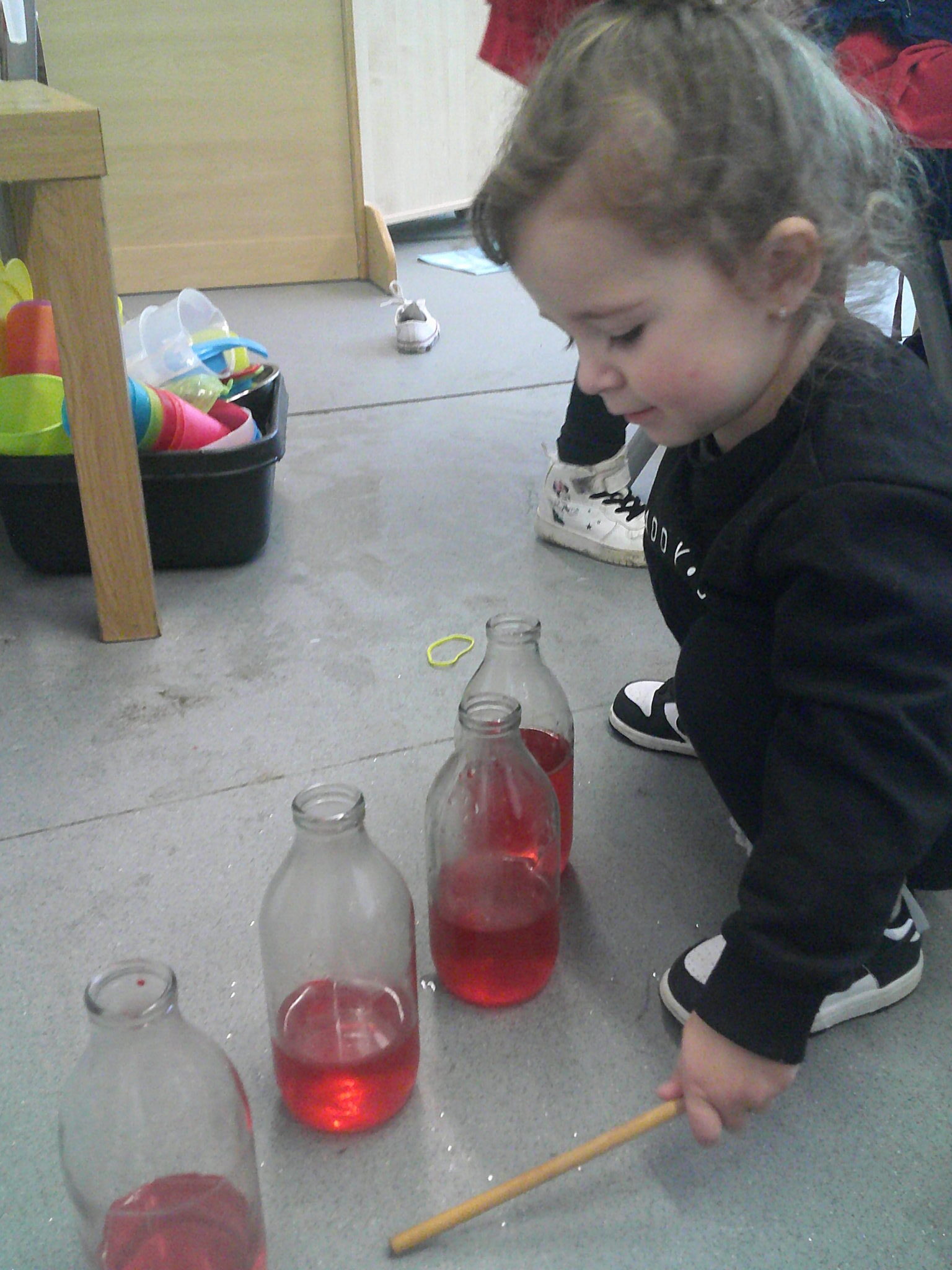
It is interesting to explore the different sounds that musical instruments make, but there are many other items that can make ‘musical’ sounds. We have our milk delivered in glass bottles, as this reduces our waste and is in line with our Education for Sustainable Development ethos. Before we returned the bottles for collection, one of the teachers used them to make musical instruments. The children first of all listened to the sound that the milk bottle made when the teacher blew across the rim of an empty bottle. They then thought about how it might change if they added something to the bottle. They experimented with adding water to the bottle, at different levels, noticing how the sound changed according to how much was in the bottle. They thought it sounded like singing, but it was quite tricky for some of the children to blow across the rim and make a sound. This led to them thinking of other ways they could make a sound with the bottle, so they used twigs from the garden to gently tap the bottle.
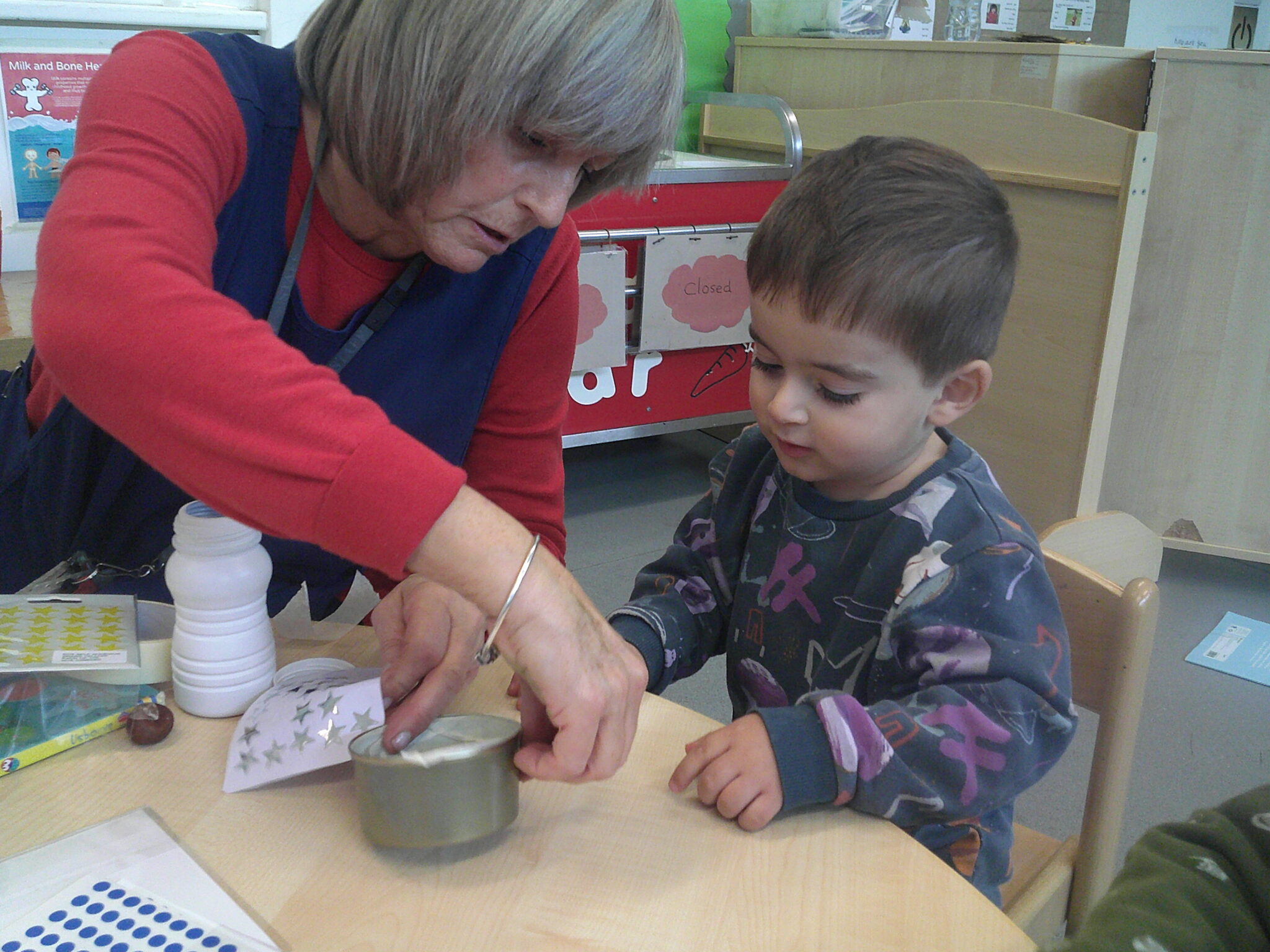
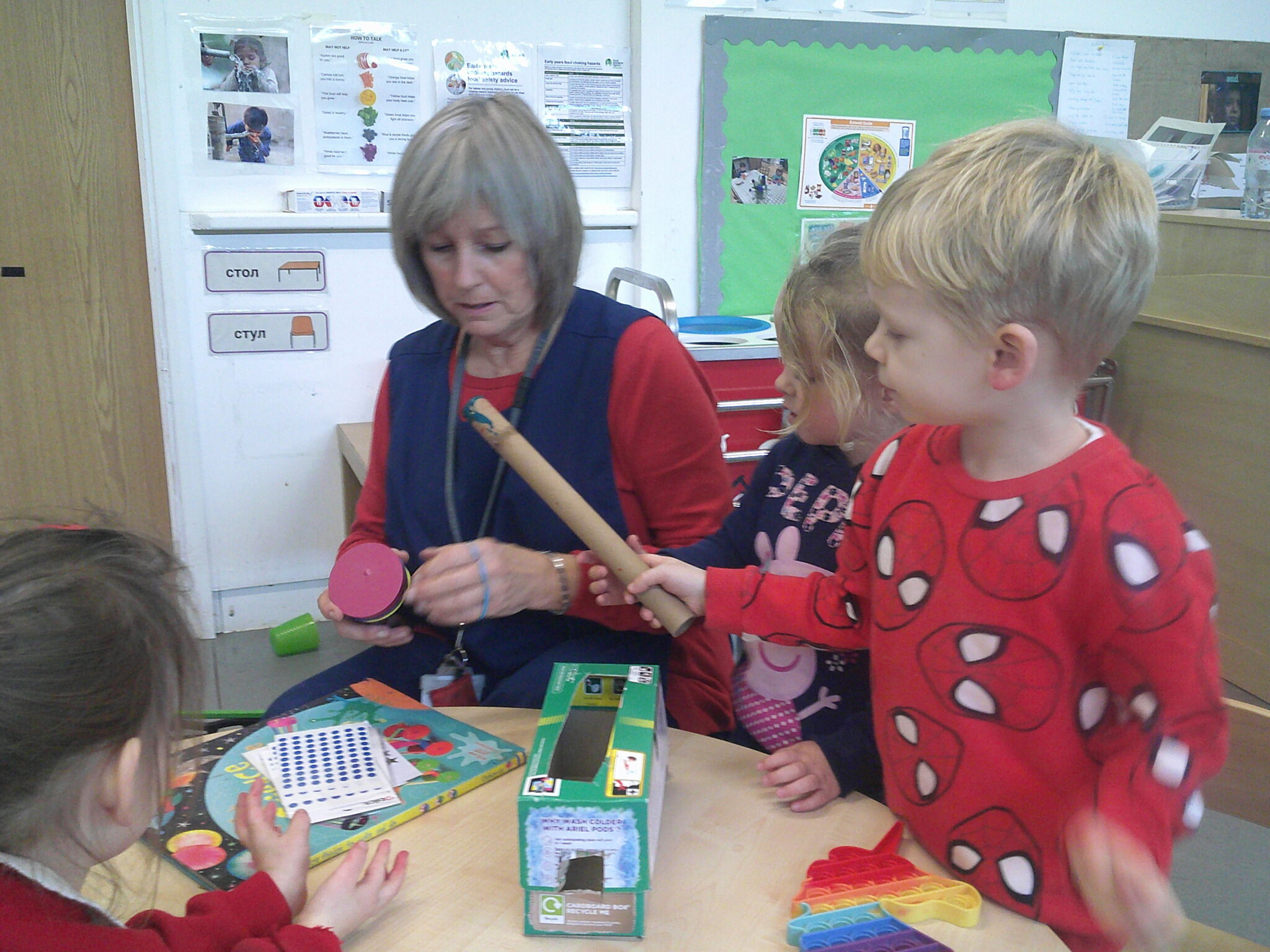
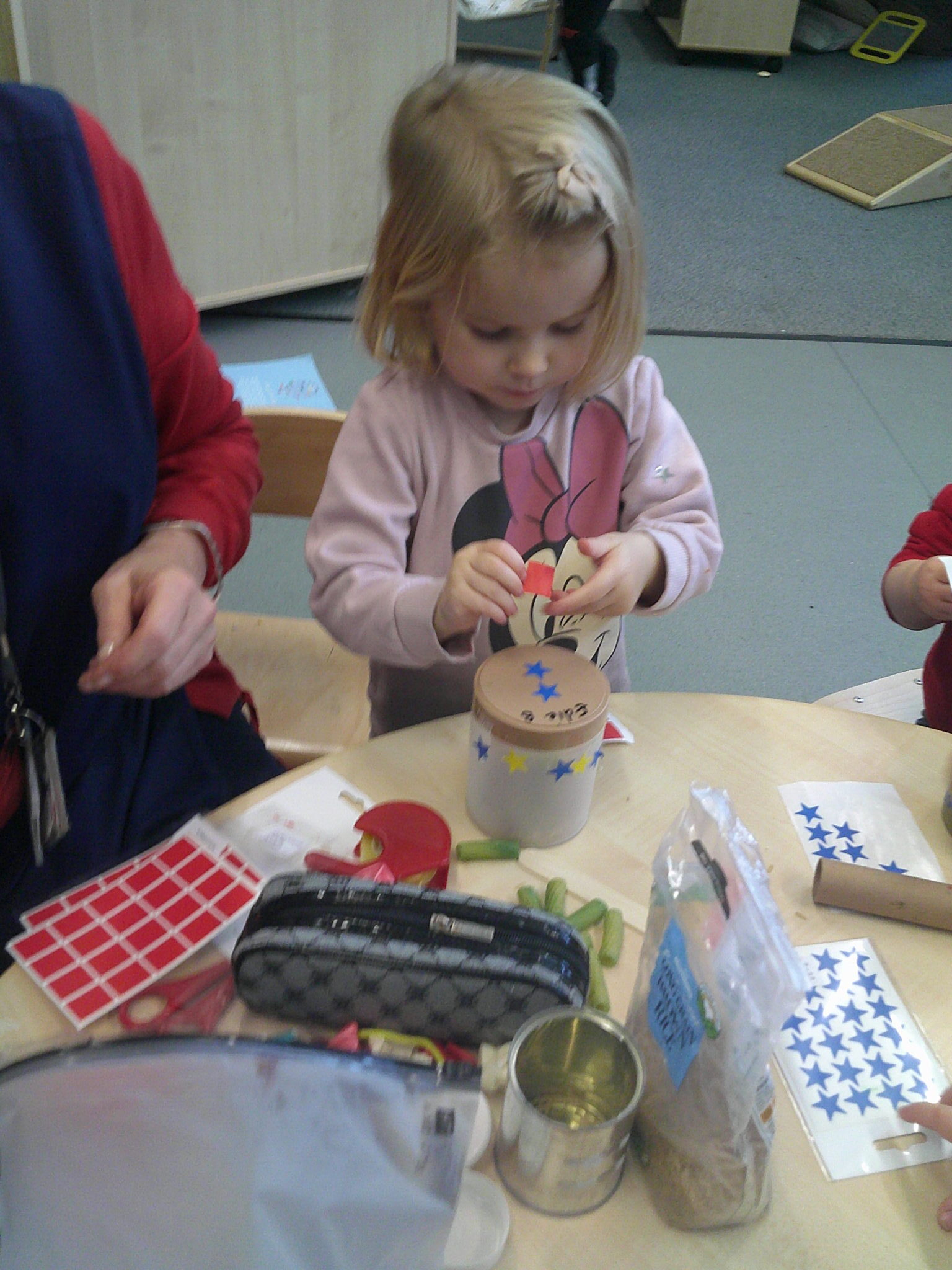
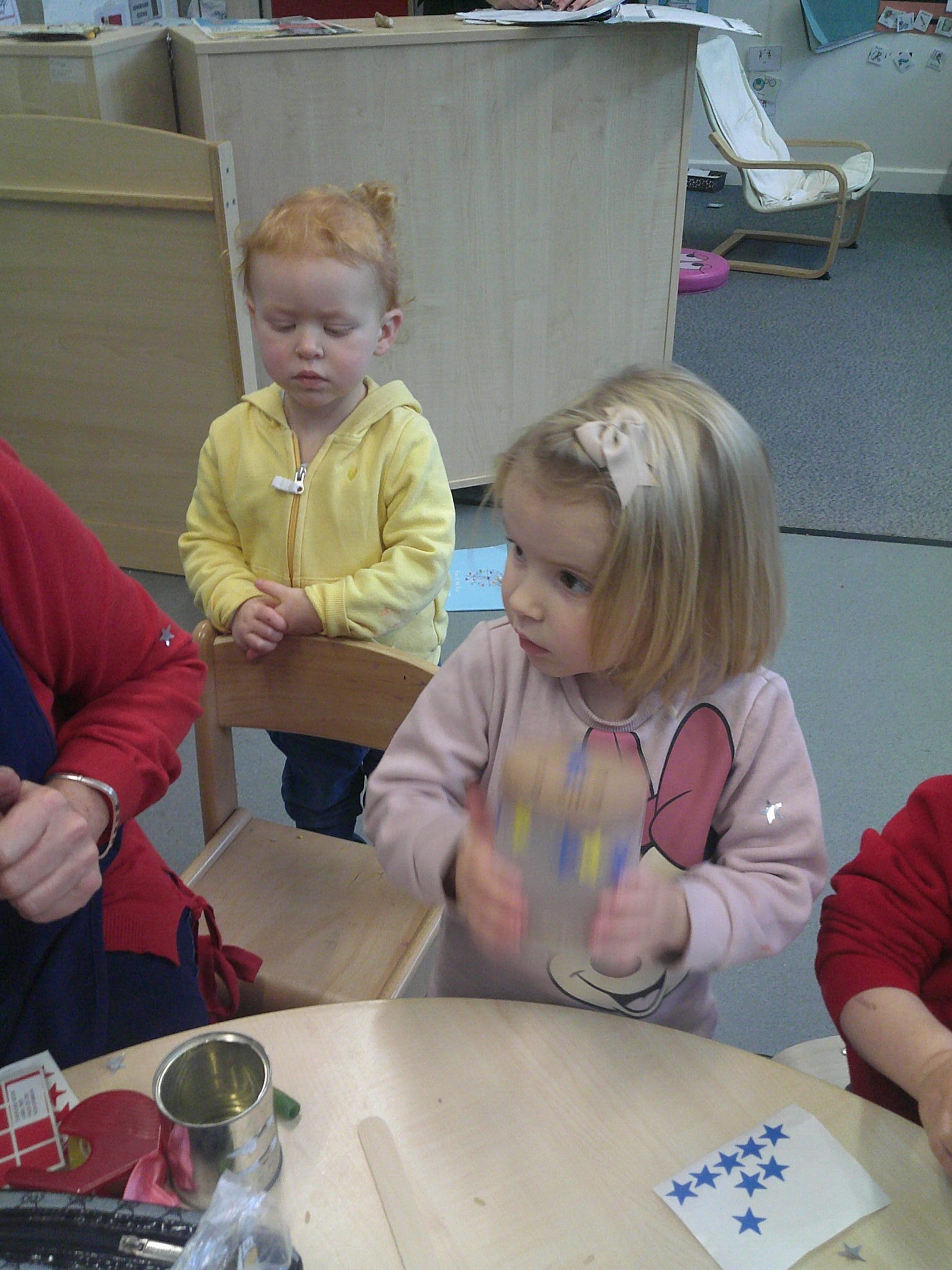
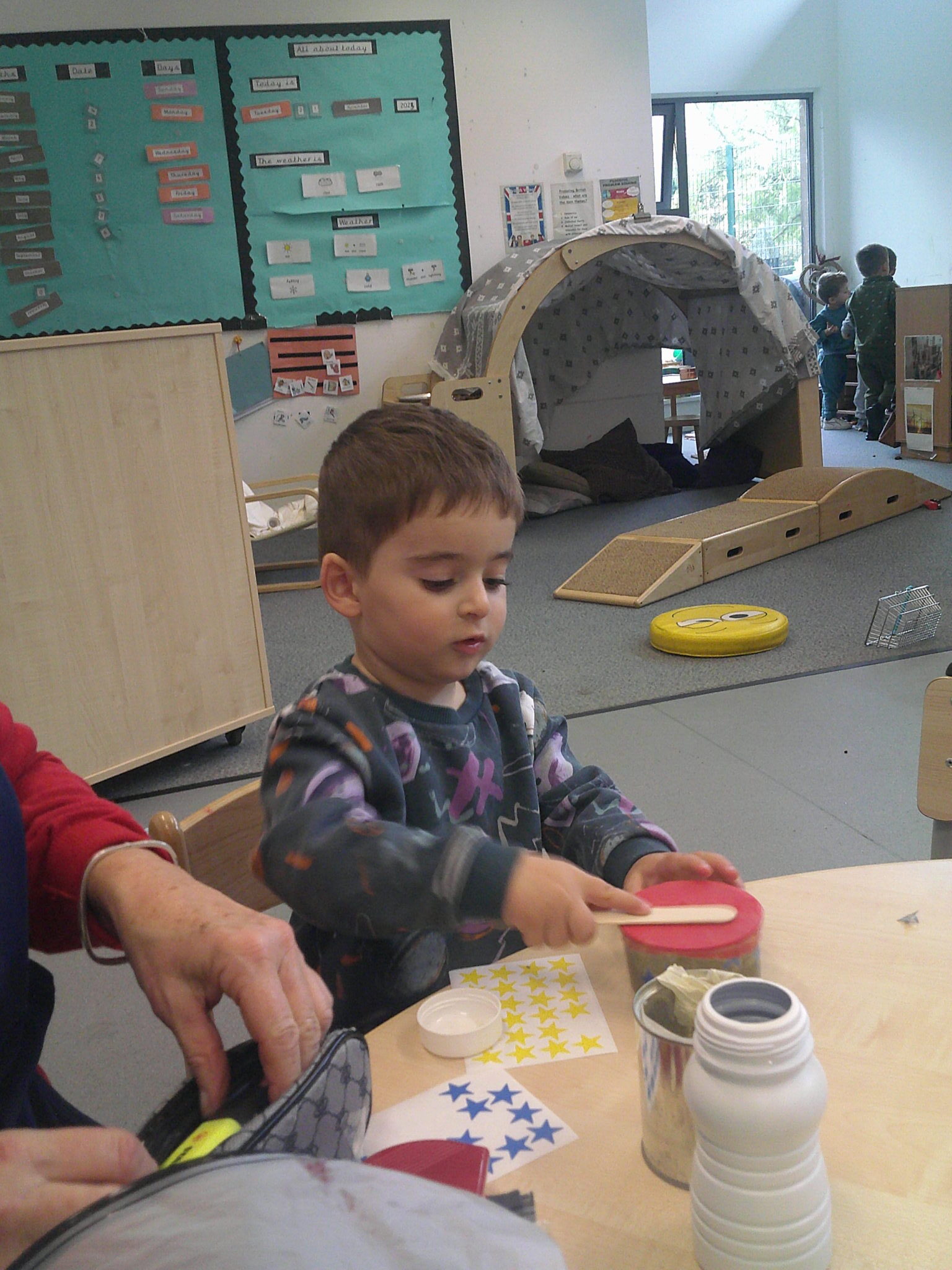
They next thought about other household items that they could turn into musical instruments. They decided that yoghurt pots, or plastic containers made good shakers when rice or pasta were added and they put on a paper lid. They noticed how the sound altered, depending on what they had put in their pots.
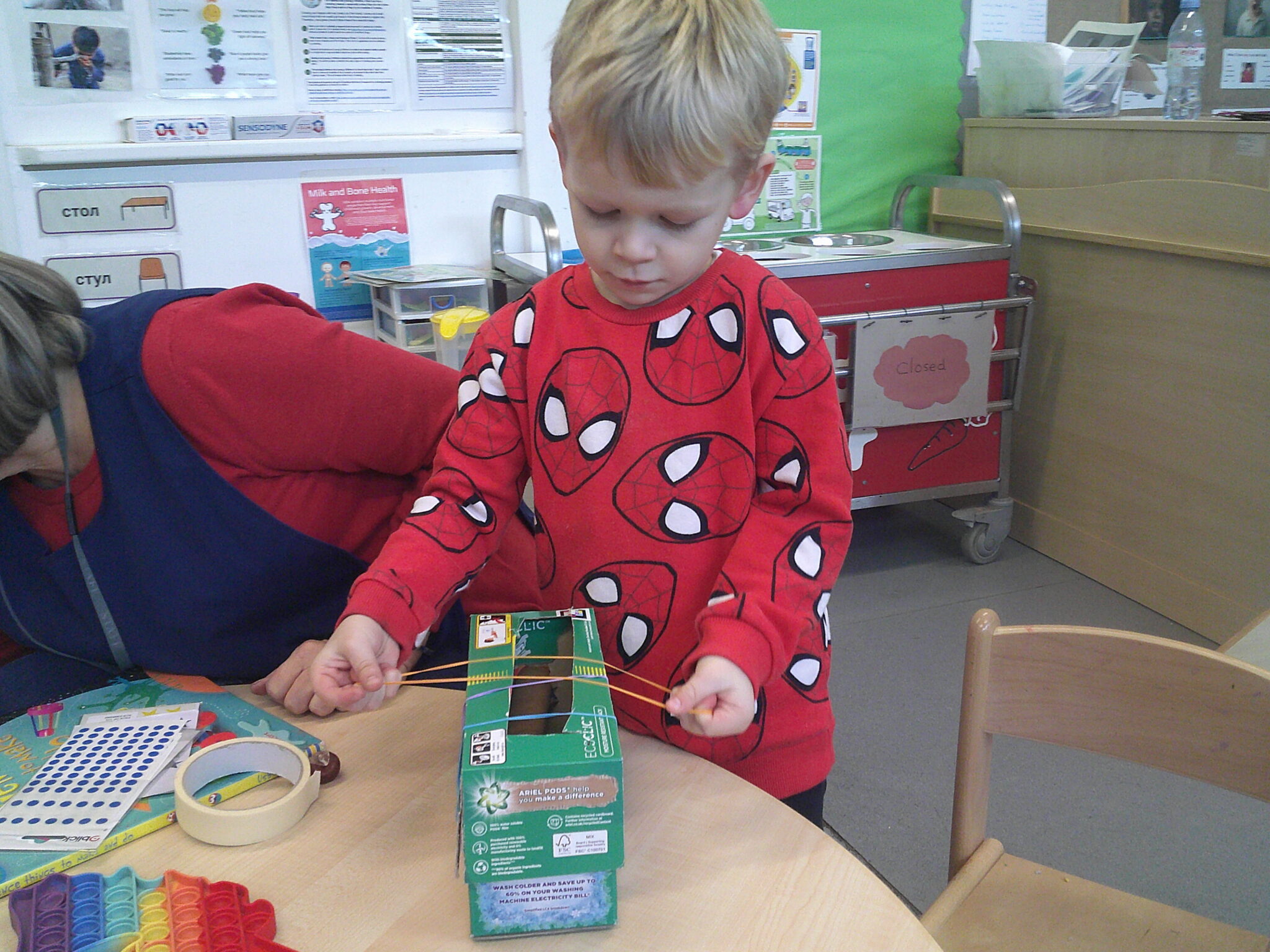
They went on to use boxes with rubber bands to make ‘string’ instruments and containers of various shapes and sizes with balloons stretched tight across the top to make drums.
There are photos of the above activities on our website, anthonyroperpreschool.co.uk, and Facebook page.
Thank you.
The Pre-school Team