This week’s activities
In the children’s sensory play this week, they have had lots of fun with the crazy foam. As well as the lovely sensory experience this gives, they linked it to the weather, commenting that the foam looks like snow. They then went on to make ‘snowballs’ from the foam. Great for manipulative skills, as well as hands-on experience of 3D shapes. It is important that children hear the real names of 3D objects, so a box is a cube, rather than a square, a ball is a sphere, not a circle.
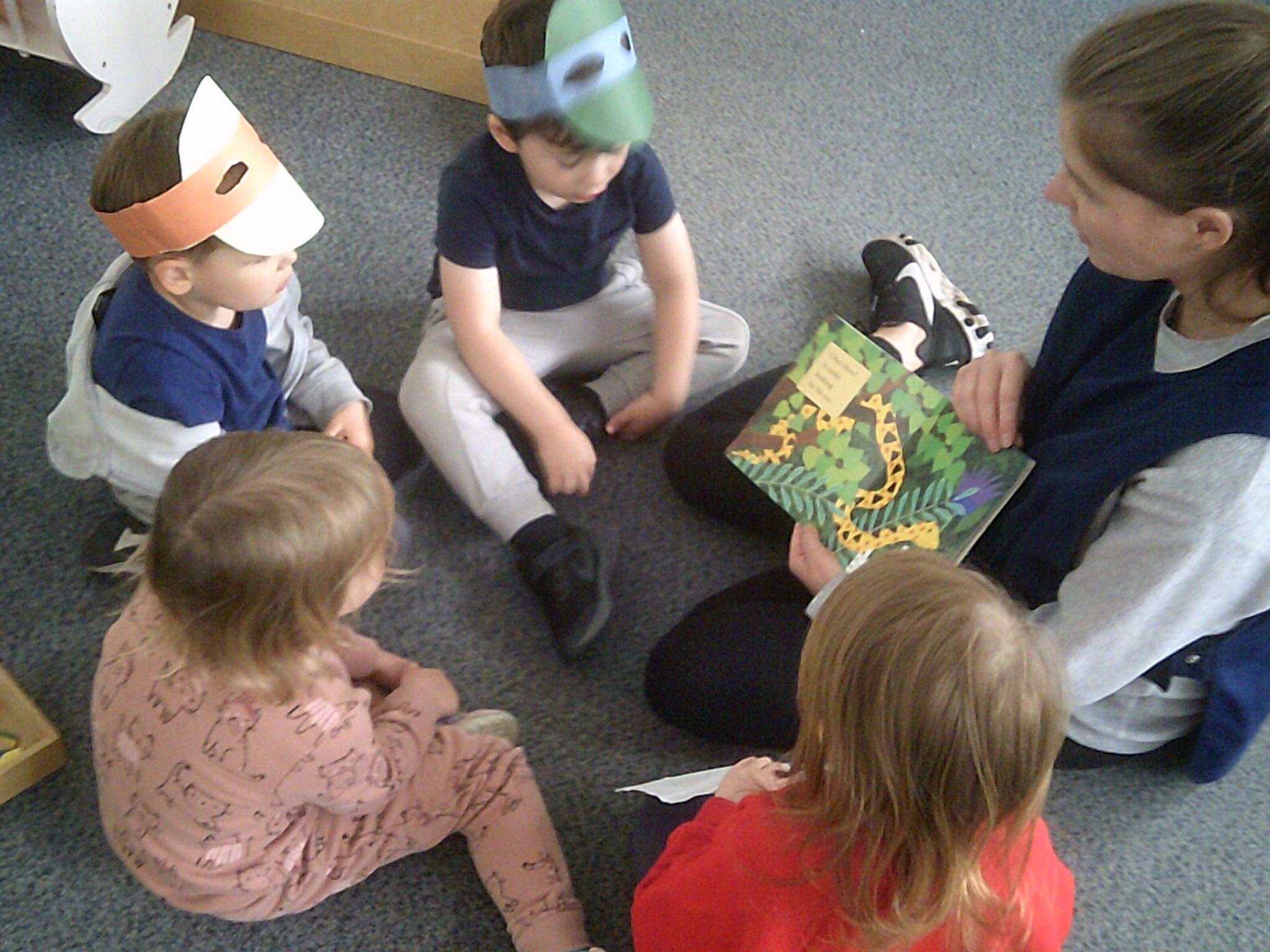
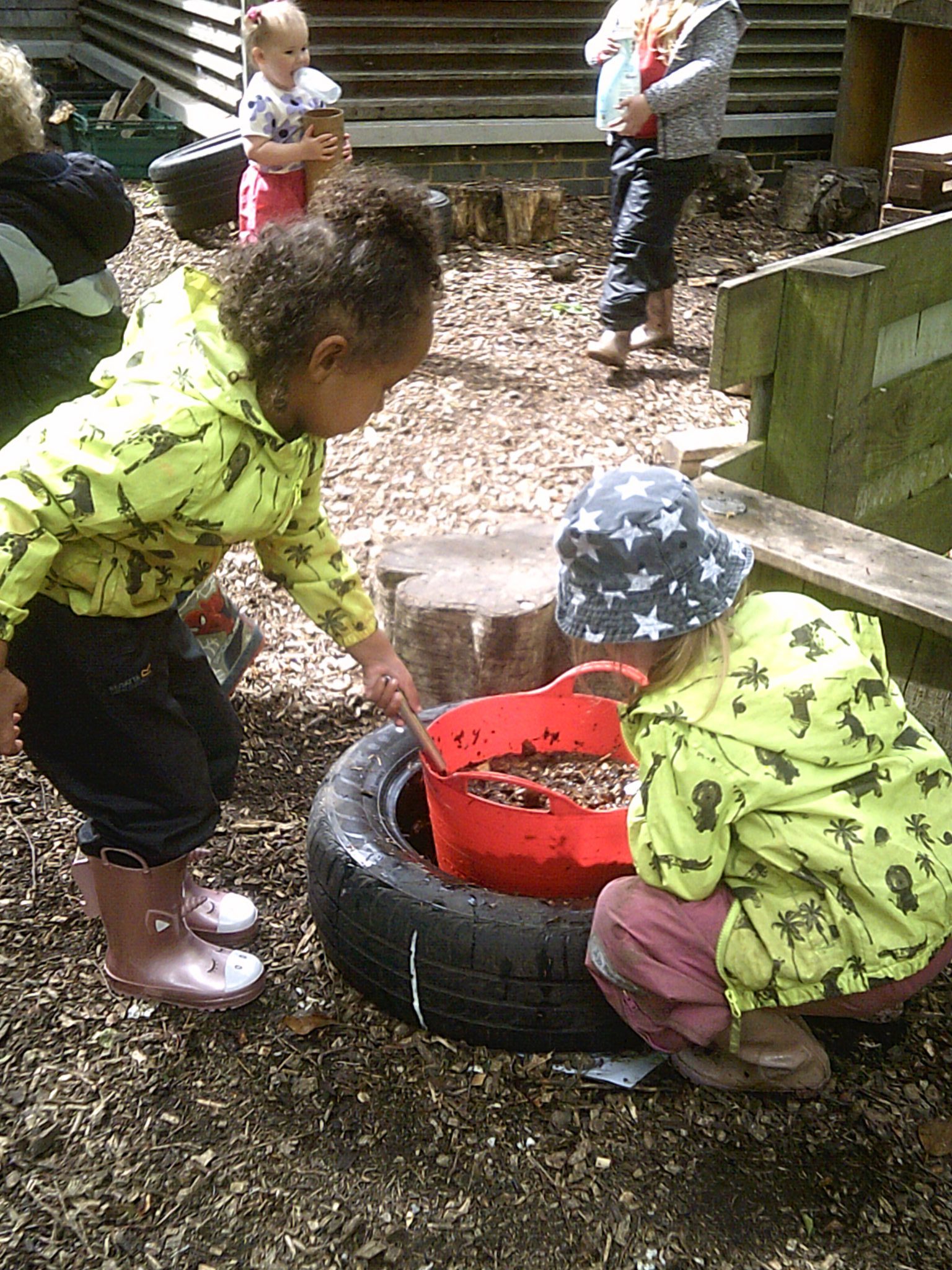
In their imaginative play, they have created ‘ninja’ masks to use in their role play and have had lots of fun playing in the mud kitchen, making scrummy mud pies and icecream.
Imaginative and role play is fantastic for making sense of the world. Fantasy and role play gives children opportunities to practice adult skills, explore complex emotions, escape stressful situations and rehearse imaginary scenarios. This kind of play is fundamental to a child’s development.
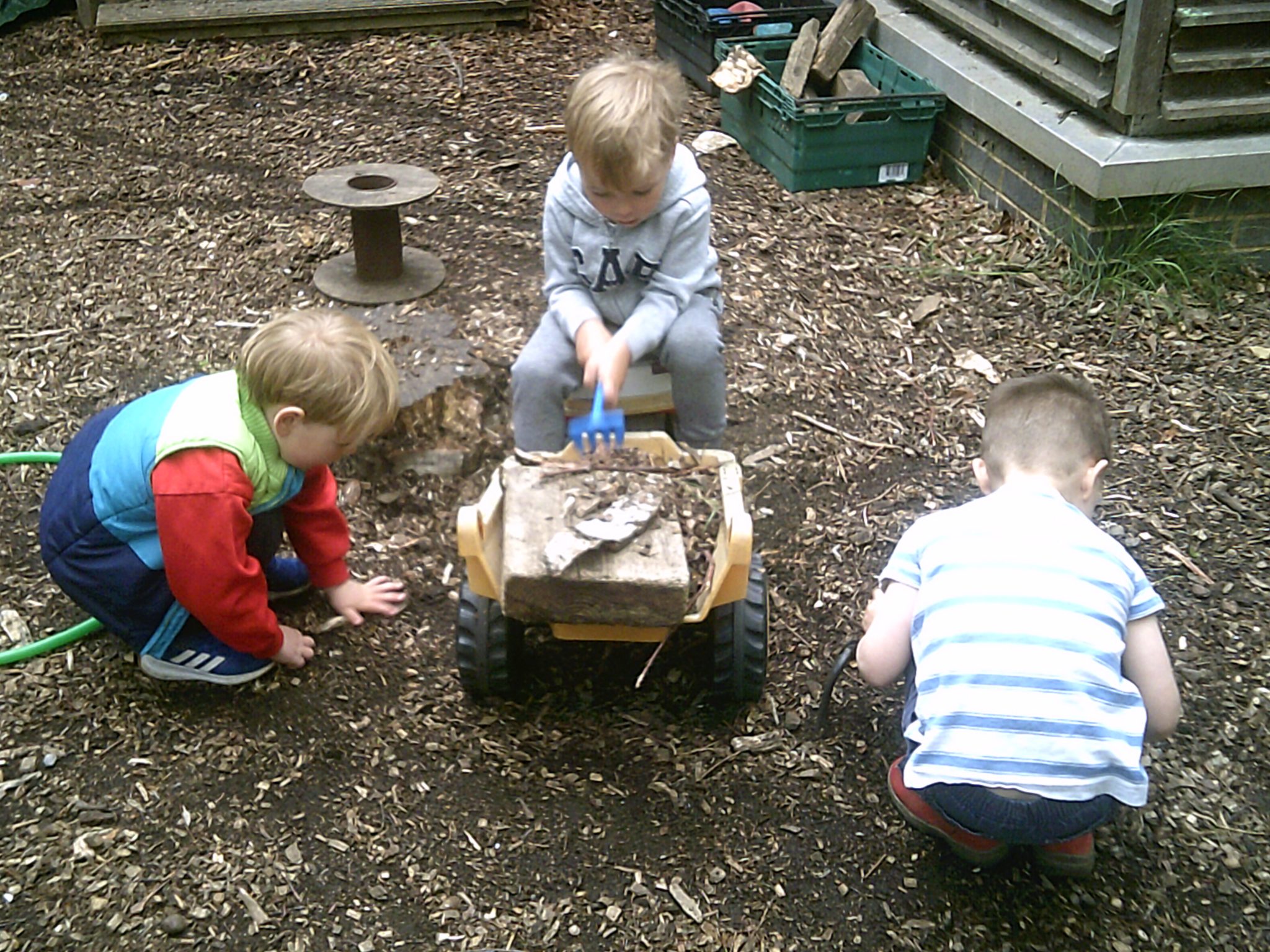
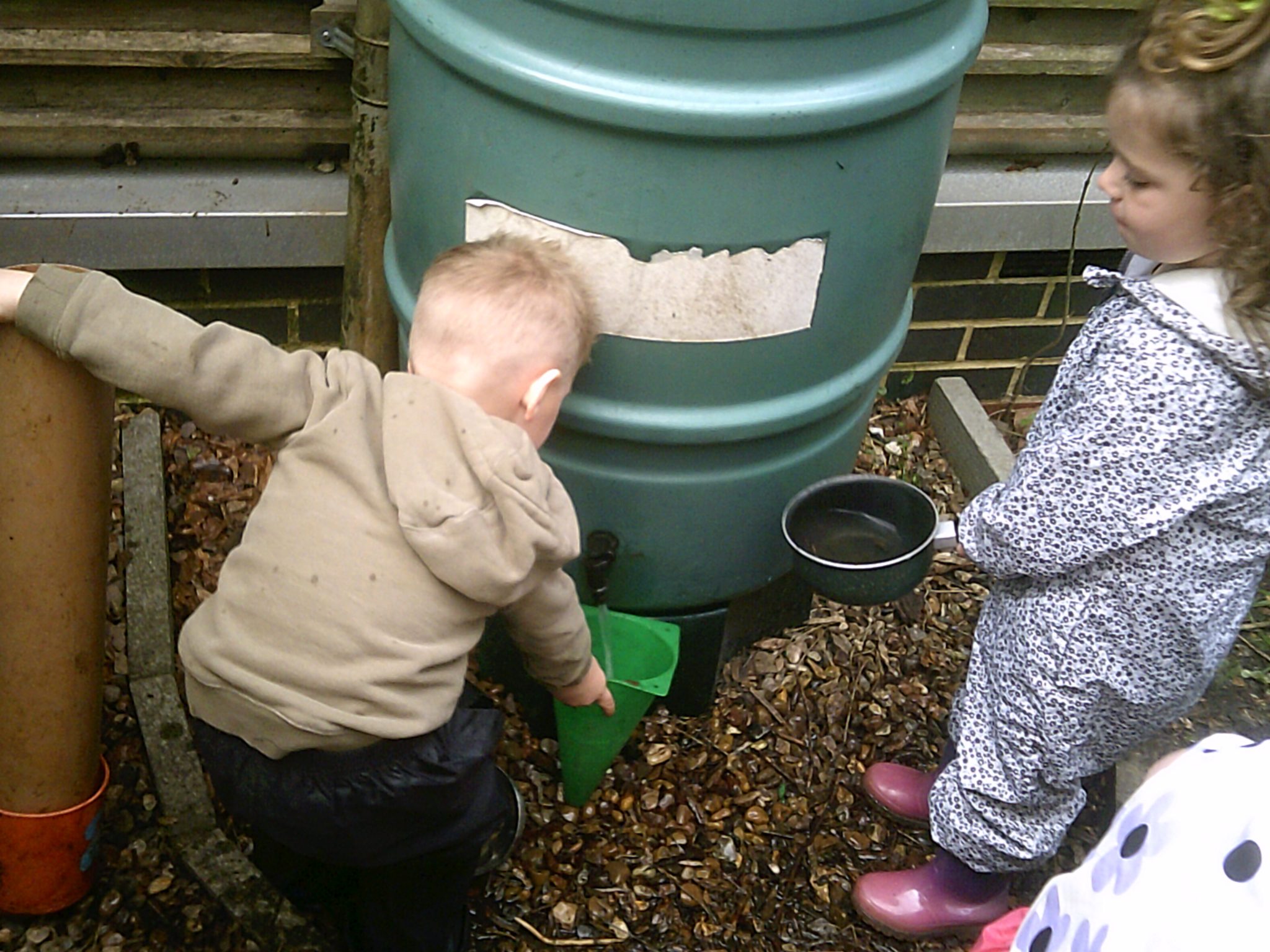
To create the mud, they needed to find a source of water to mix with the soil. This came from one of our water butts. By using this water, we can talk to the children about where water comes from and how we can conserve it by not wasting it. Once the water butt is empty, they have to wait for it to rain again to fill it up. This helps make connections between the natural world and what resources we have and how we should use them carefully. To transport the water from the water butt, they used containers of varying sizes. This develops their understanding of volume and capacity. They can differentiate between the number of small containers they need to carry the same amount of water as a larger container, thus helping them understand many mathematical concepts in real life situations, as well as introducing mathematical language, such as full, empty, enough, big, small, middle sized, how many, how much, volume; to name just a few.
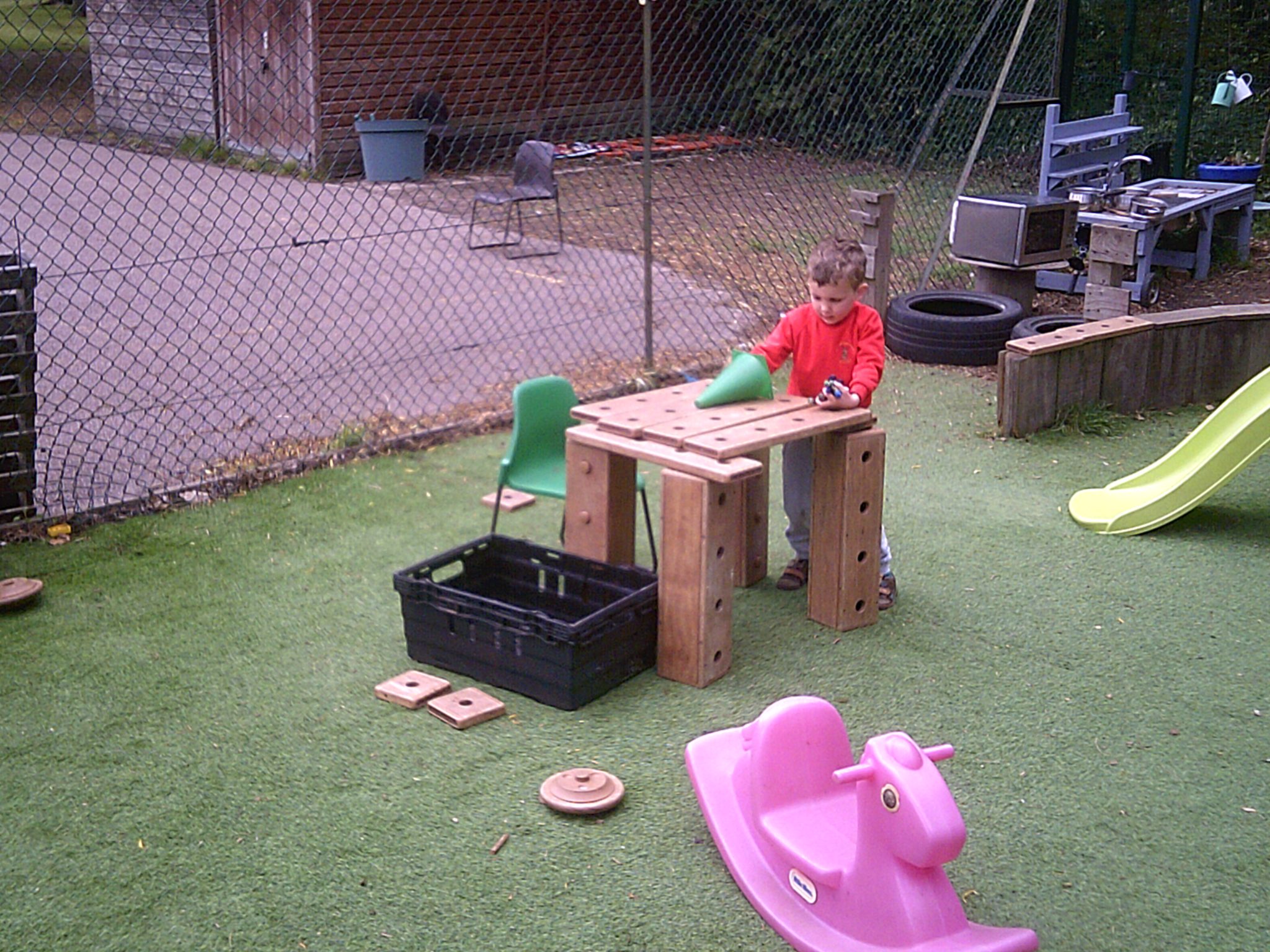
Another really good activity for developing mathematical concepts is construction, of any kind. You need to be able to measure by eye the length, width, height and weight of blocks to build a tower that can get taller without falling down. You have to consider space and plan when you are building with large blocks in the garden. All of these activities are available all of the time. The children are learning maths by having hands-on experiences. As well as the mathematical concepts involved, with open-ended resources, the children can create whatever they want; so some large blocks become a castle, then a bus and some recycled boxes become a home for a fairy and a troll.
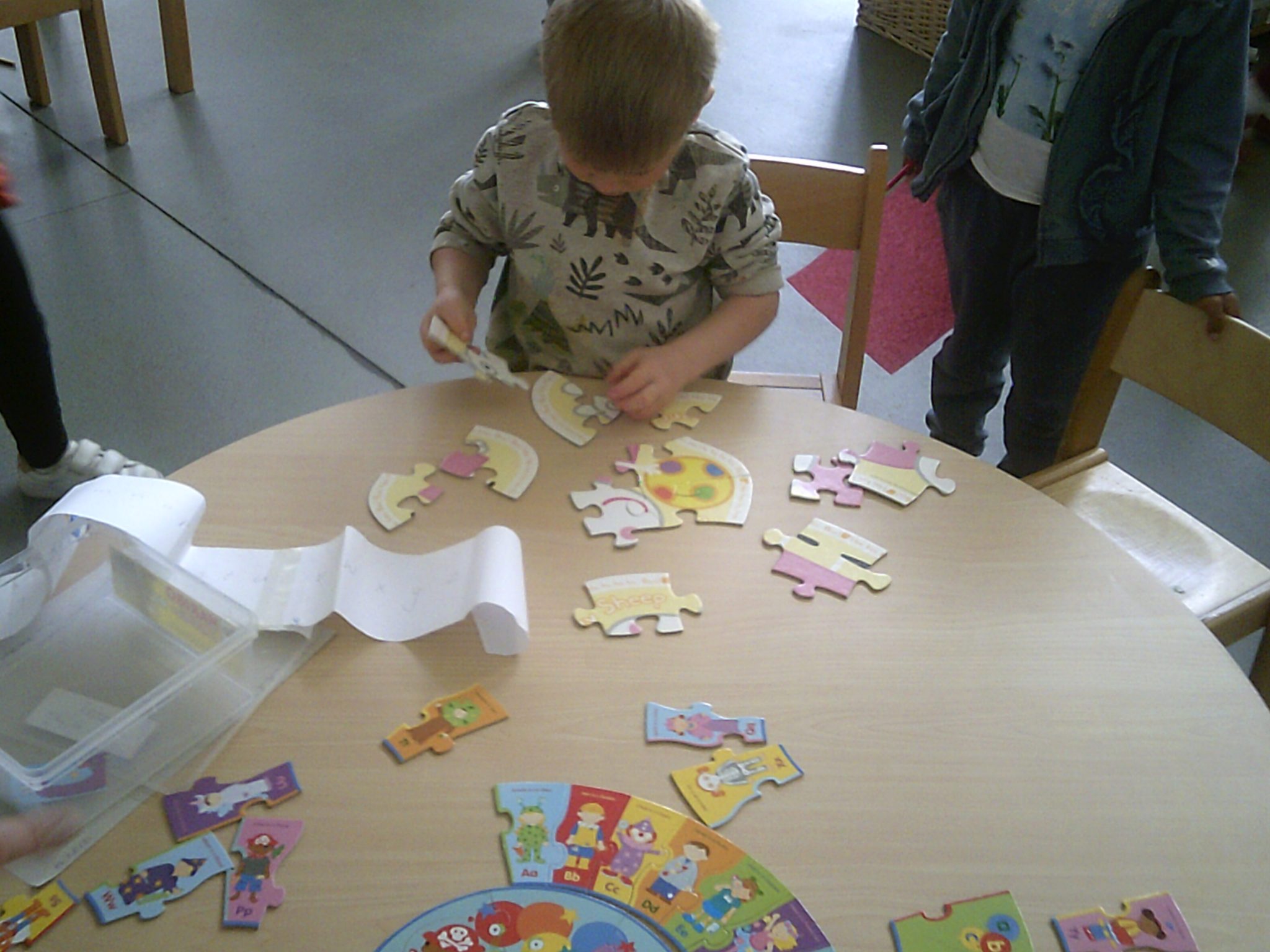
To practice their fine motor skills, the children have completed puzzles of various sizes, shapes and materials. By repeating activities regularly, they fine-tune their skills and manual dexterity.
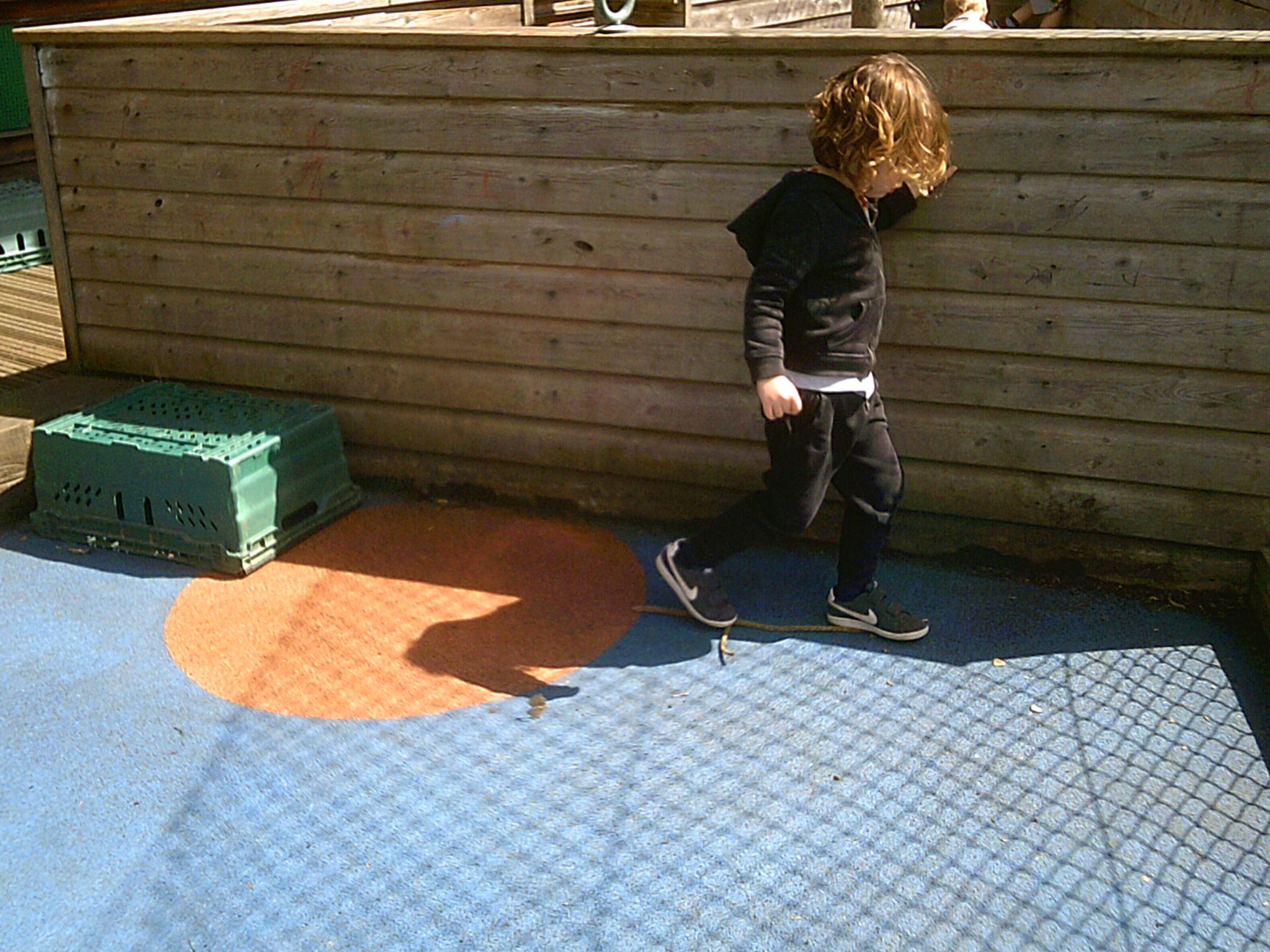
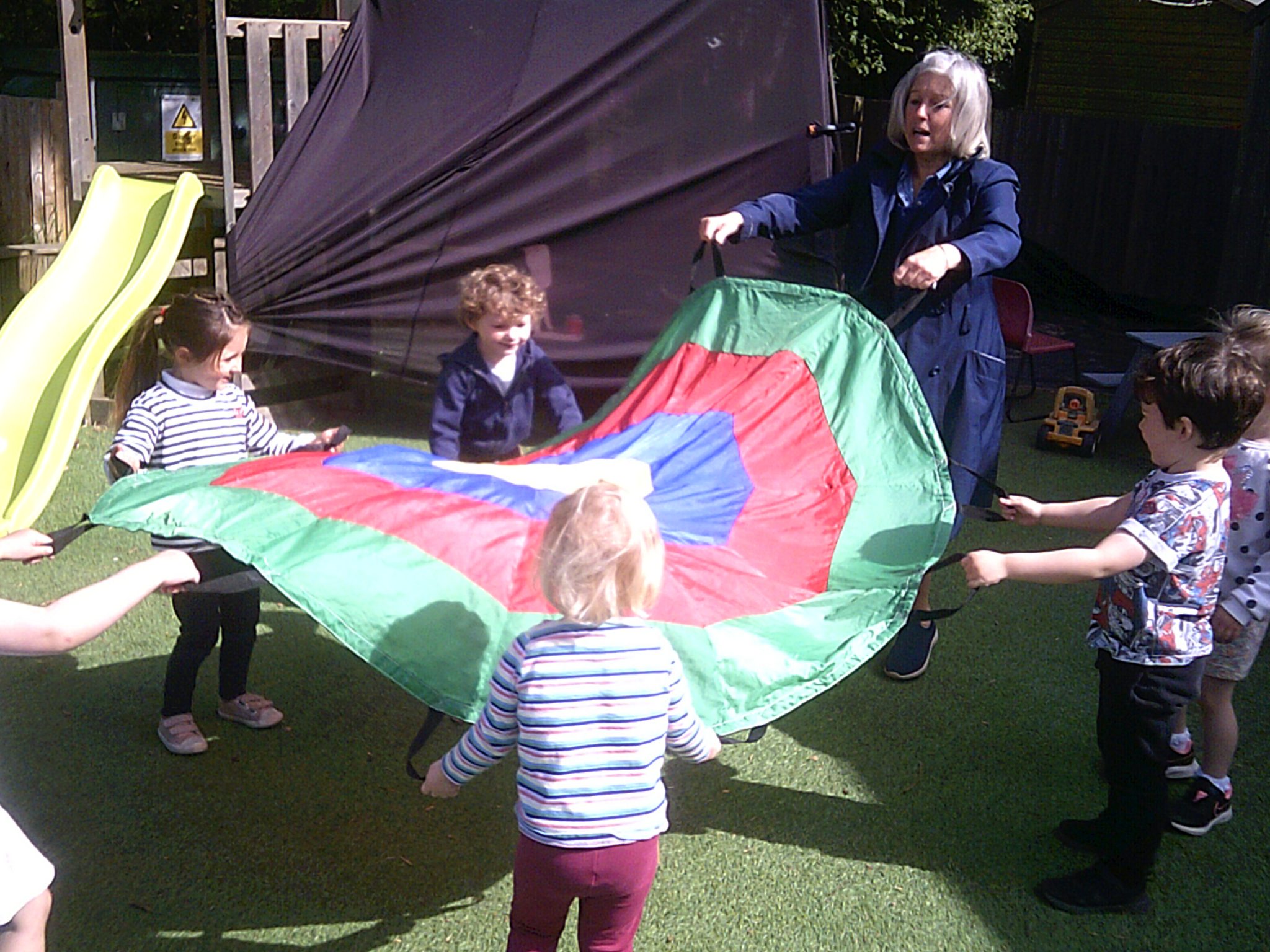
In their large physical play, they have worked together to create obstacle courses, being careful not to touch the floor as they balanced, hopped, jumped and skilfully walked along the many obstacles. Great for strengthening their core and developing balance.
Balls are always popular and they are extending their skills by playing ‘keepy-uppy’ and not letting the ball fall. Great for concentration, having a can-do attitude and perseverance.
In our natural environment, the children have been helping to water our allotment garden, which is beginning to take shape at the front of the building. They created labels for the vegetables and herbs that we are growing and are learning that not everything is instant and that lots of things are worth waiting for.
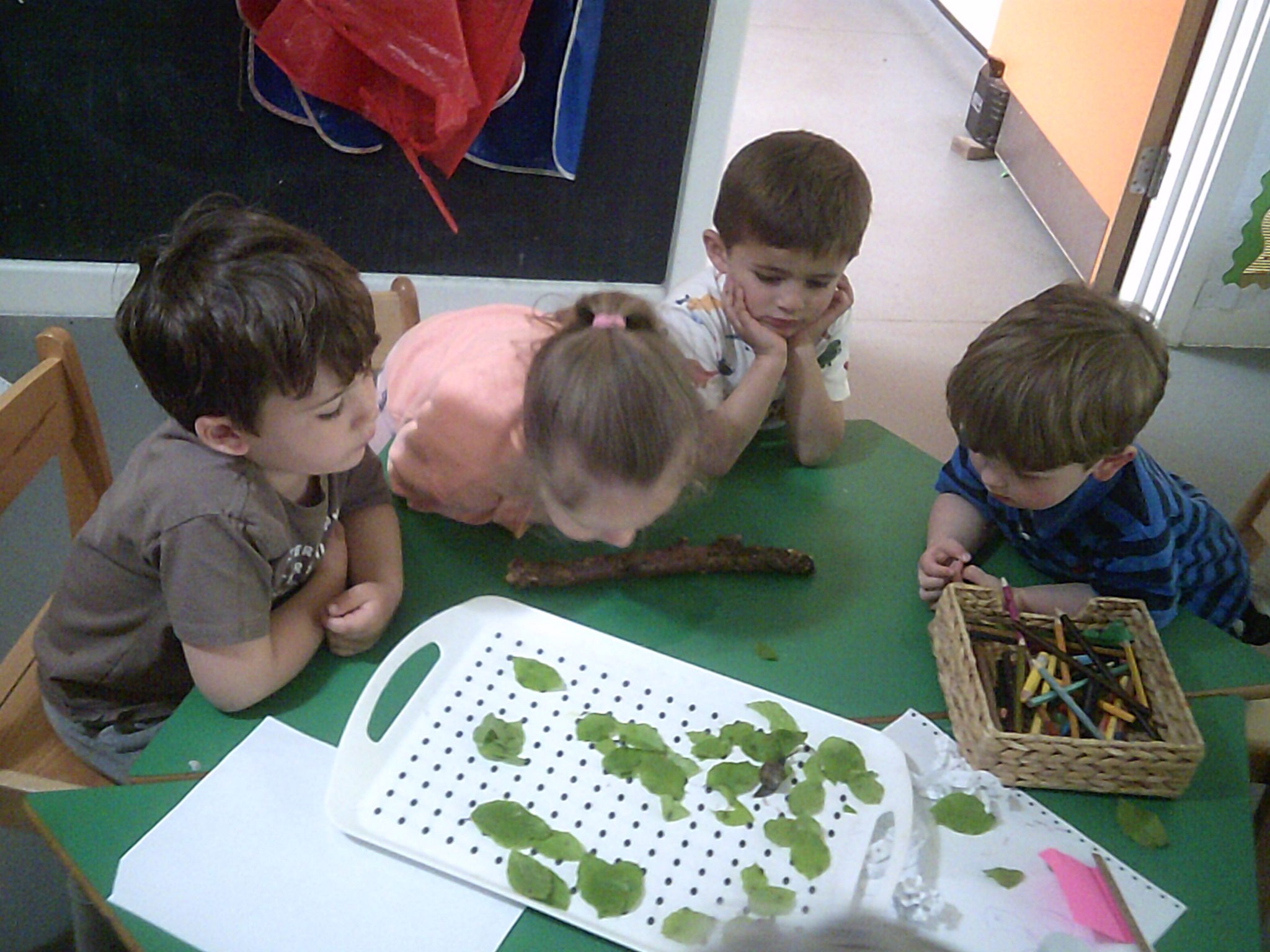
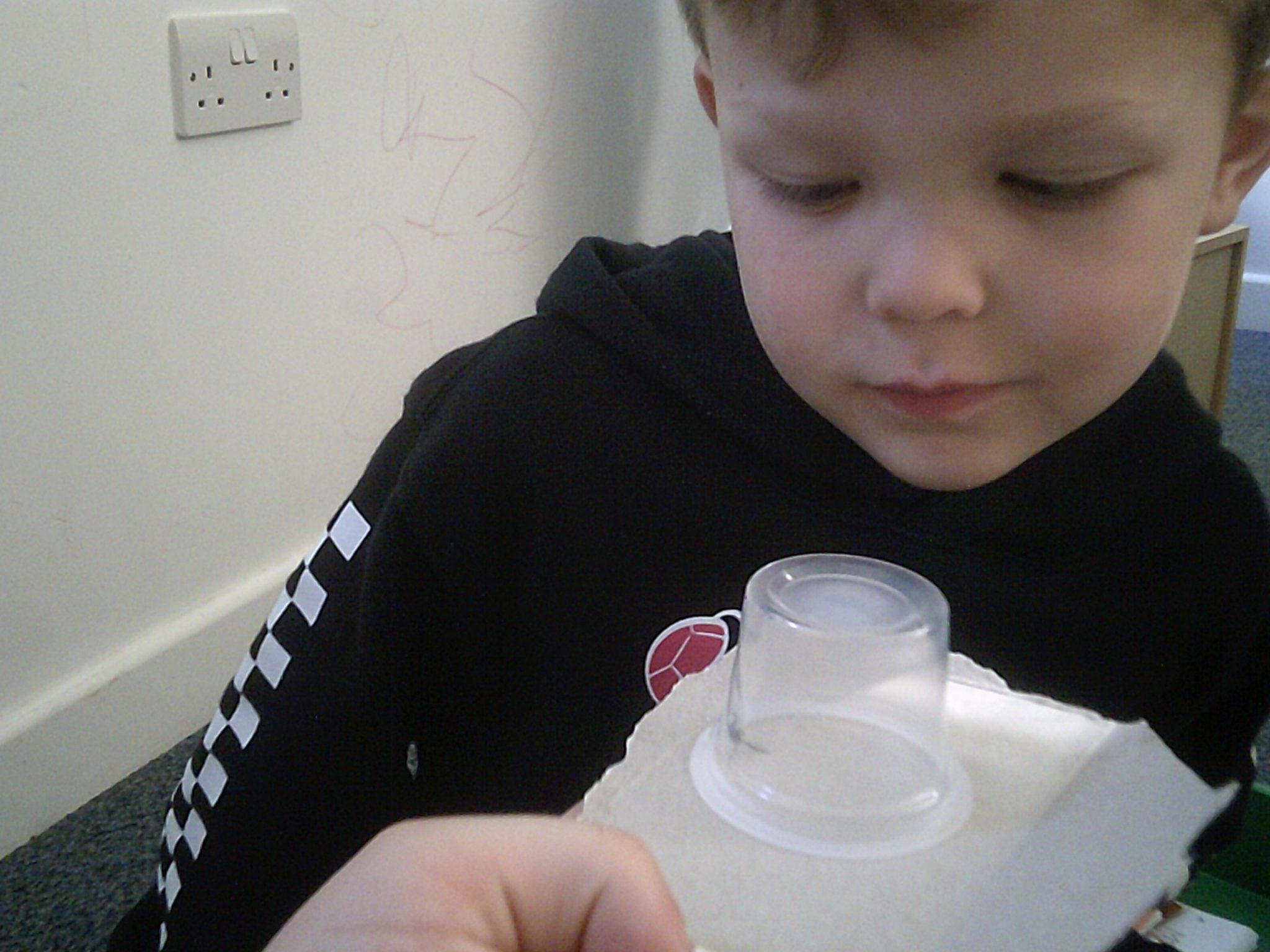
Whilst in the garden they found two snails. This led to much discussion about the names of each part of the snail, how they ‘see’ with their antenna, rather than eyes, how they are able to go back inside their shell to avoid predators, what they need to eat and the shape of their shell being a spiral, to name but a few. They also found a spider and discussed why it needed to be outside, what it needs to survive and how we need to be careful with living creatures and treat them with respect and care.
Many of the activities carried out this week can be seen on our website, www.anthonyroperpreschool.co.
Thank you for your support.