This week’s activity
Safer Internet Day
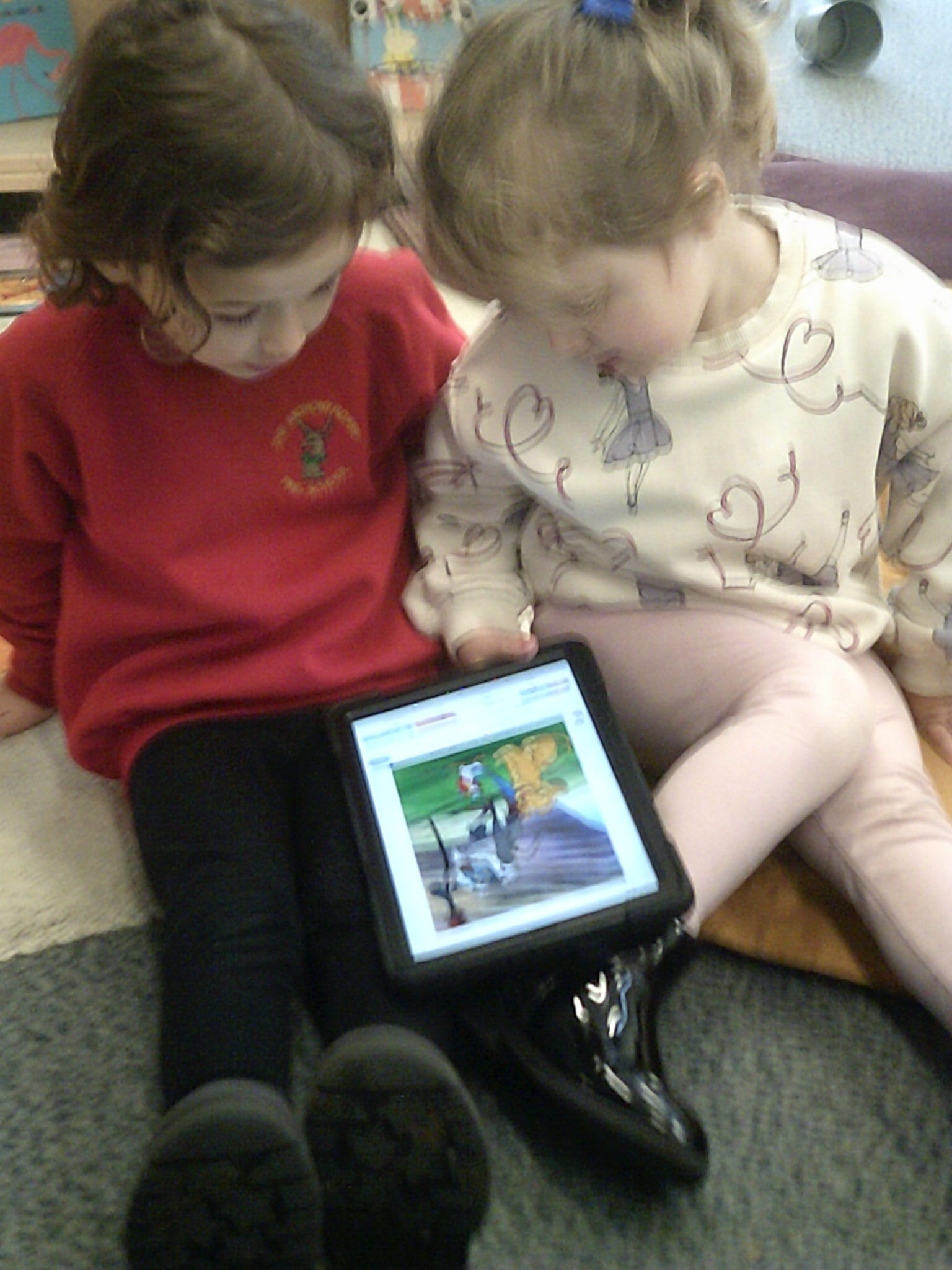
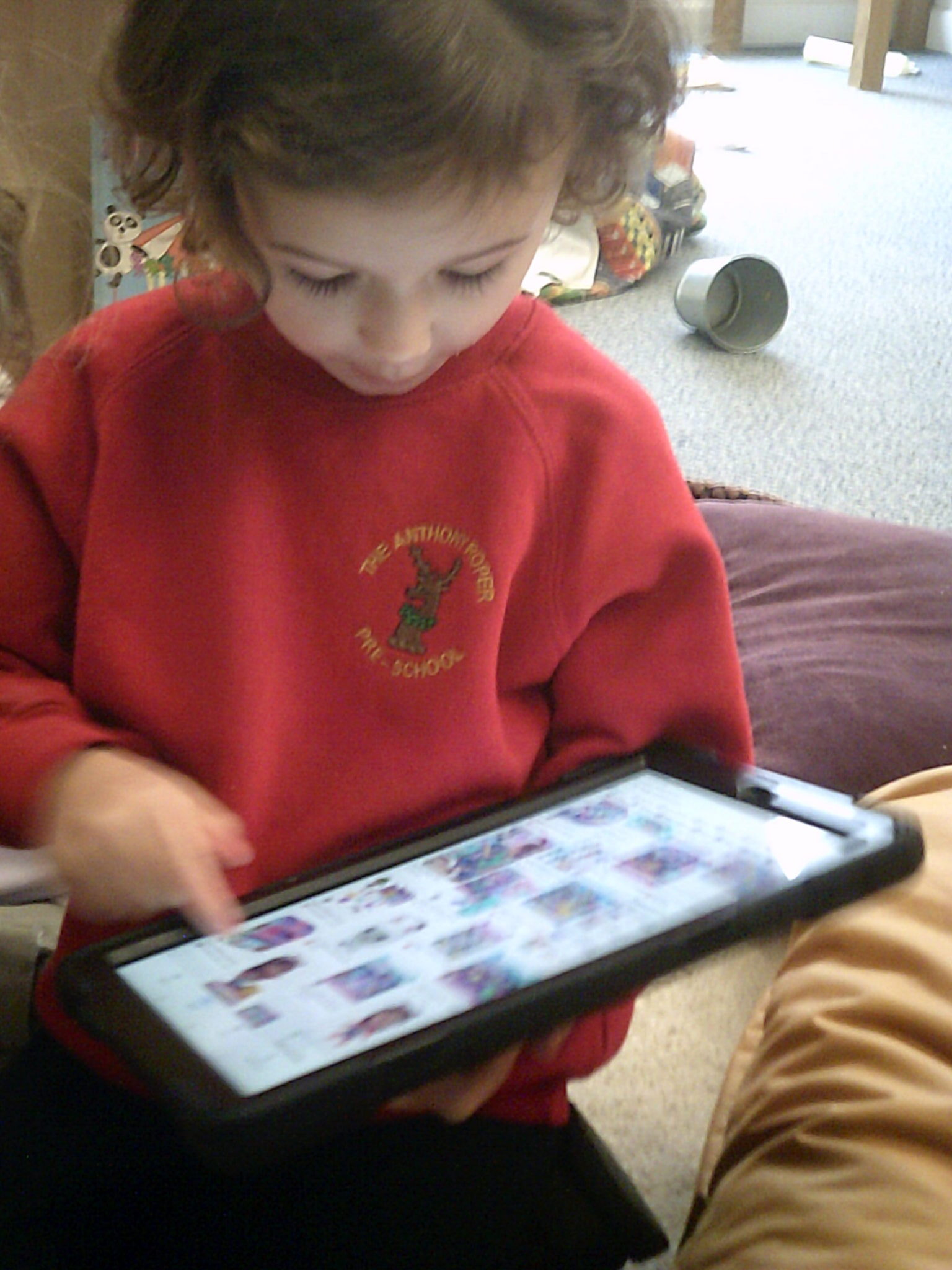
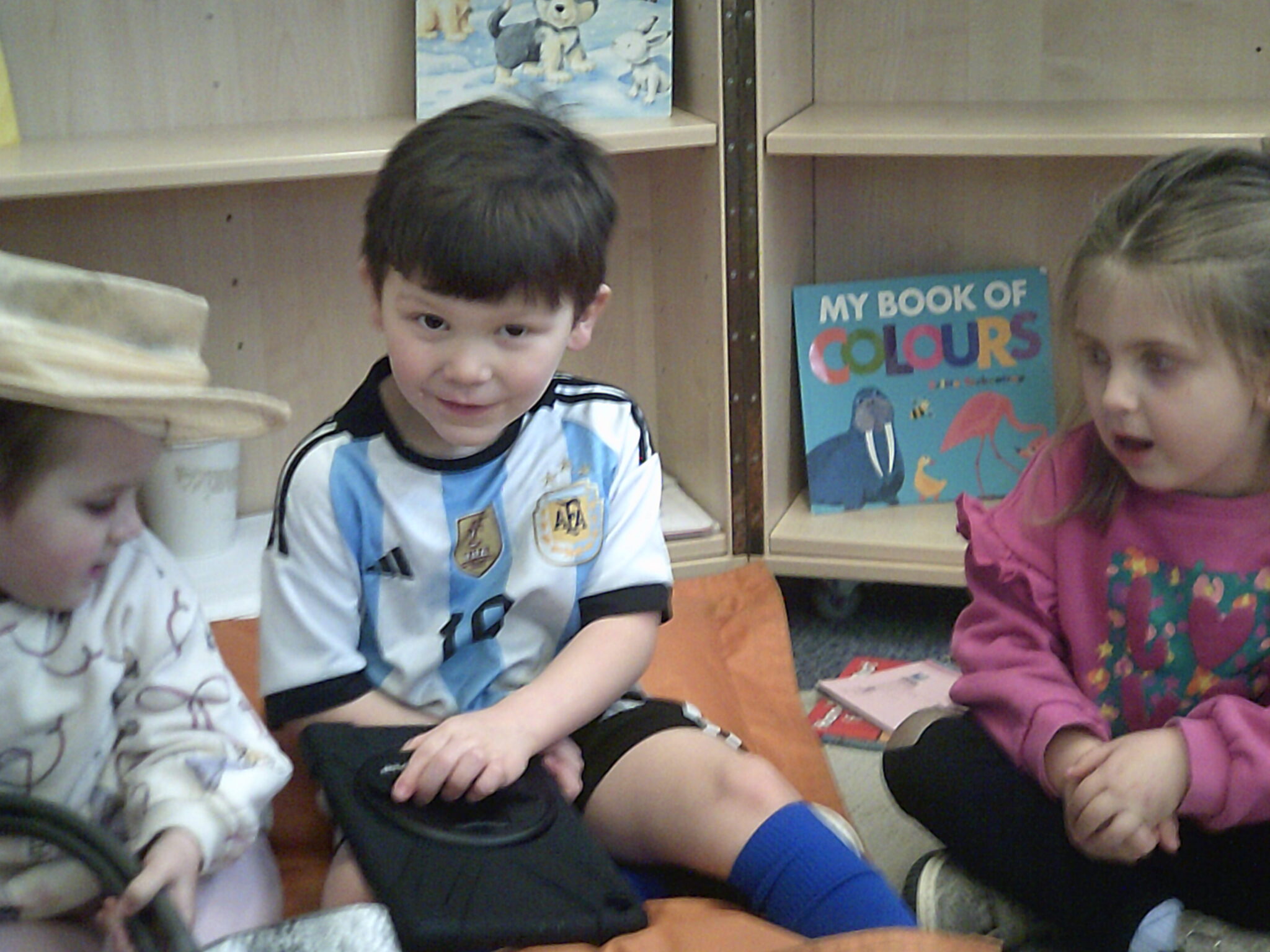
We are always promoting safeguarding with our children. This might be through books, story sacks, discussions or, as we have focused on this week, via tablets. The technological world has huge benefits for everyone, including children, but being able to navigate it safely can be challenging for both children and adults. All of our devices at Pre-school have filters to prevent harmful content being accessible. We trust that all parents have parental controls enabled on any devices that your child has access to. However, whilst we can do our very best to mitigate access to harmful content, we need to educate our young children in what to do if they see something online that they don’t understand or find upsetting. The adult carried out the following activity around this:
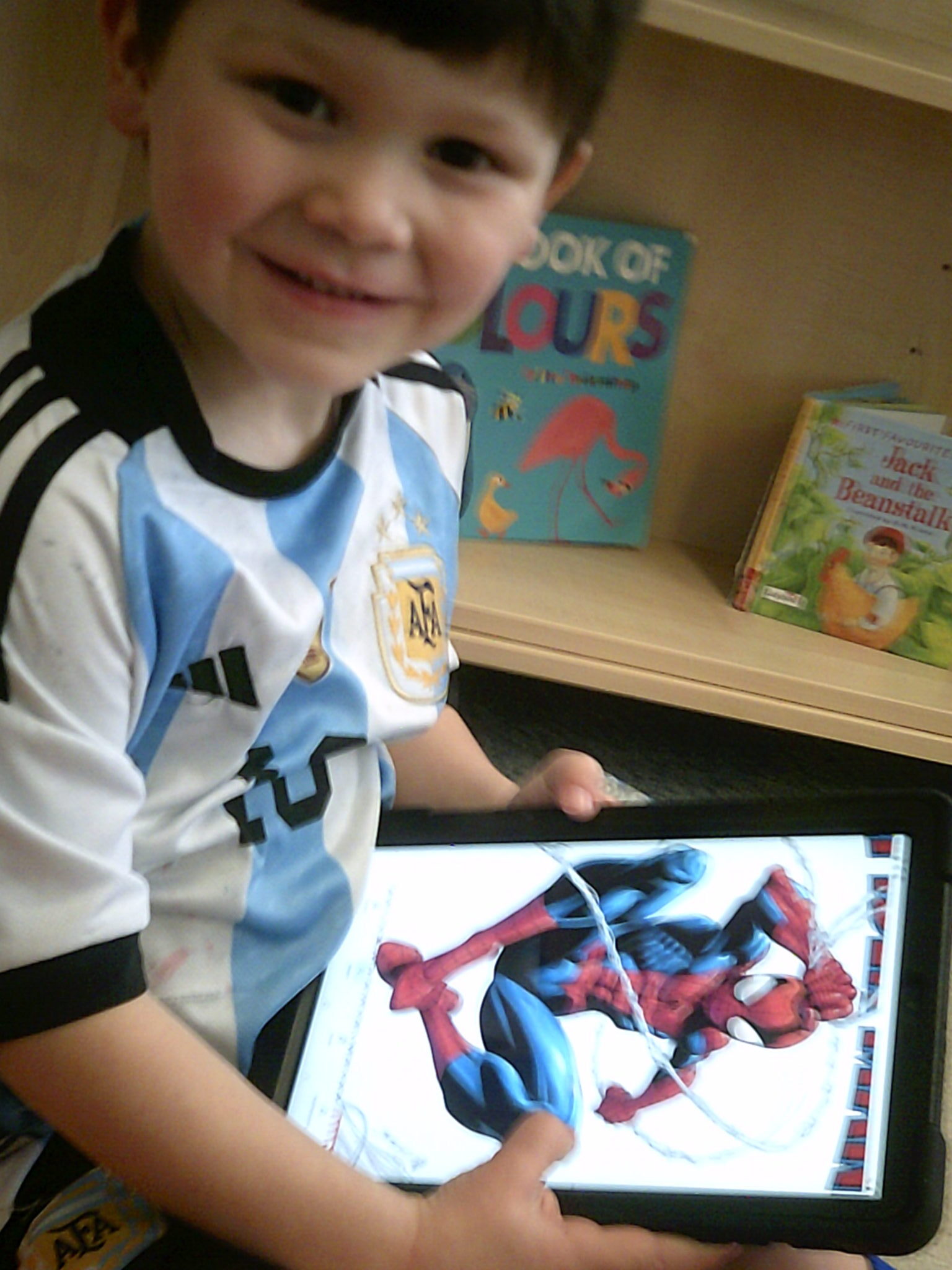
Initially, the teacher asked the children if they have access to smart phones, tablets, IPads, etc. Several of the children confidently said yes. She then asked them what they do on these devices. One child replied that they watch “Spidey”, another “Gabby’s doll house” and a third “Superkitties”.
She then went on to ask them if they knew what to do if they saw something scary, upsetting or just something they didn’t like. One child said “turn it over” and another said “put it down”. She further asked who they can tell or get to help them. One child said “C……” (their older brother), and another said “mum”.
The teacher went on to explain that they can tell any trusted grown up what they have seen and they will help them.
Sinking and floating science experiment
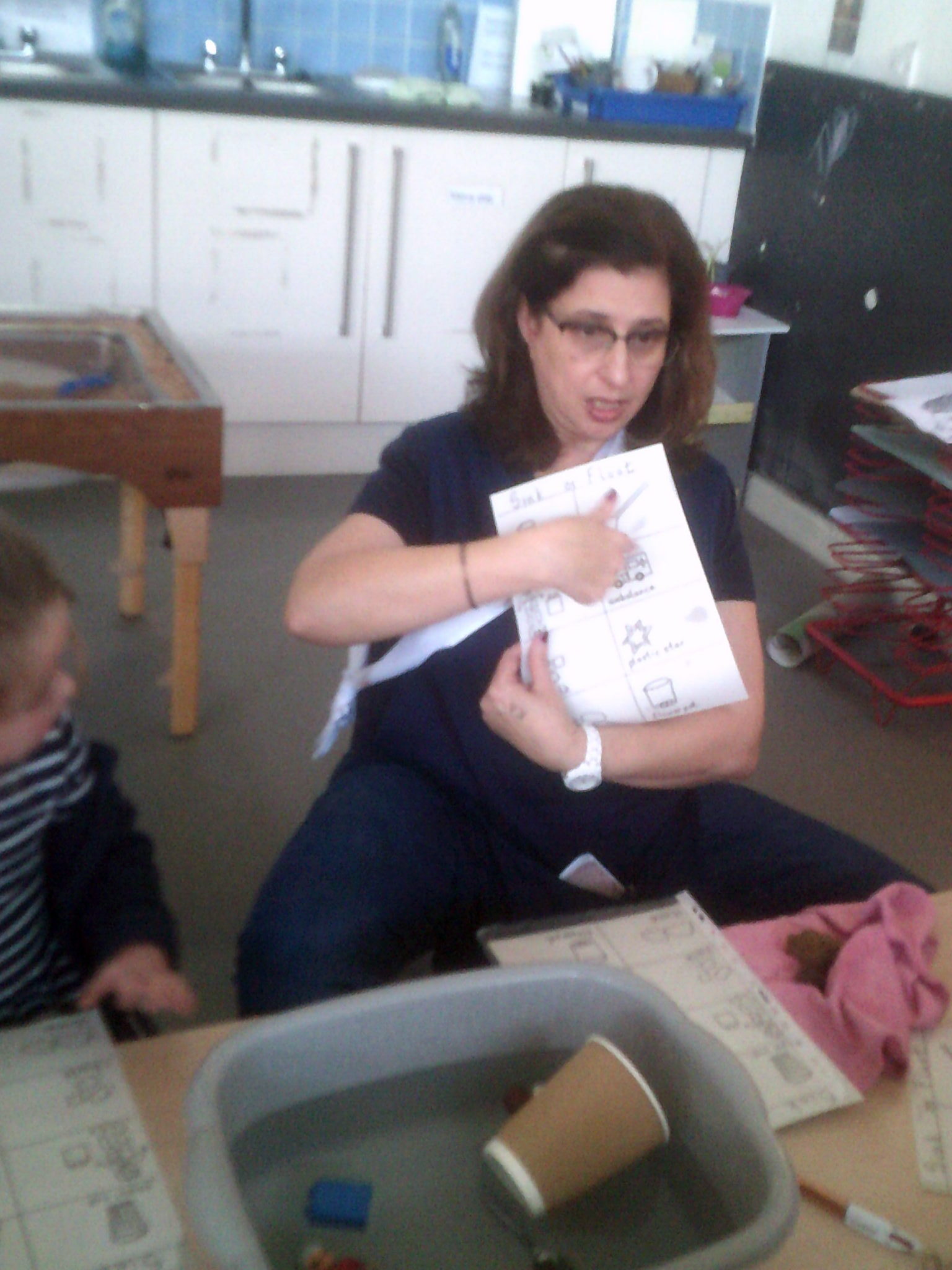
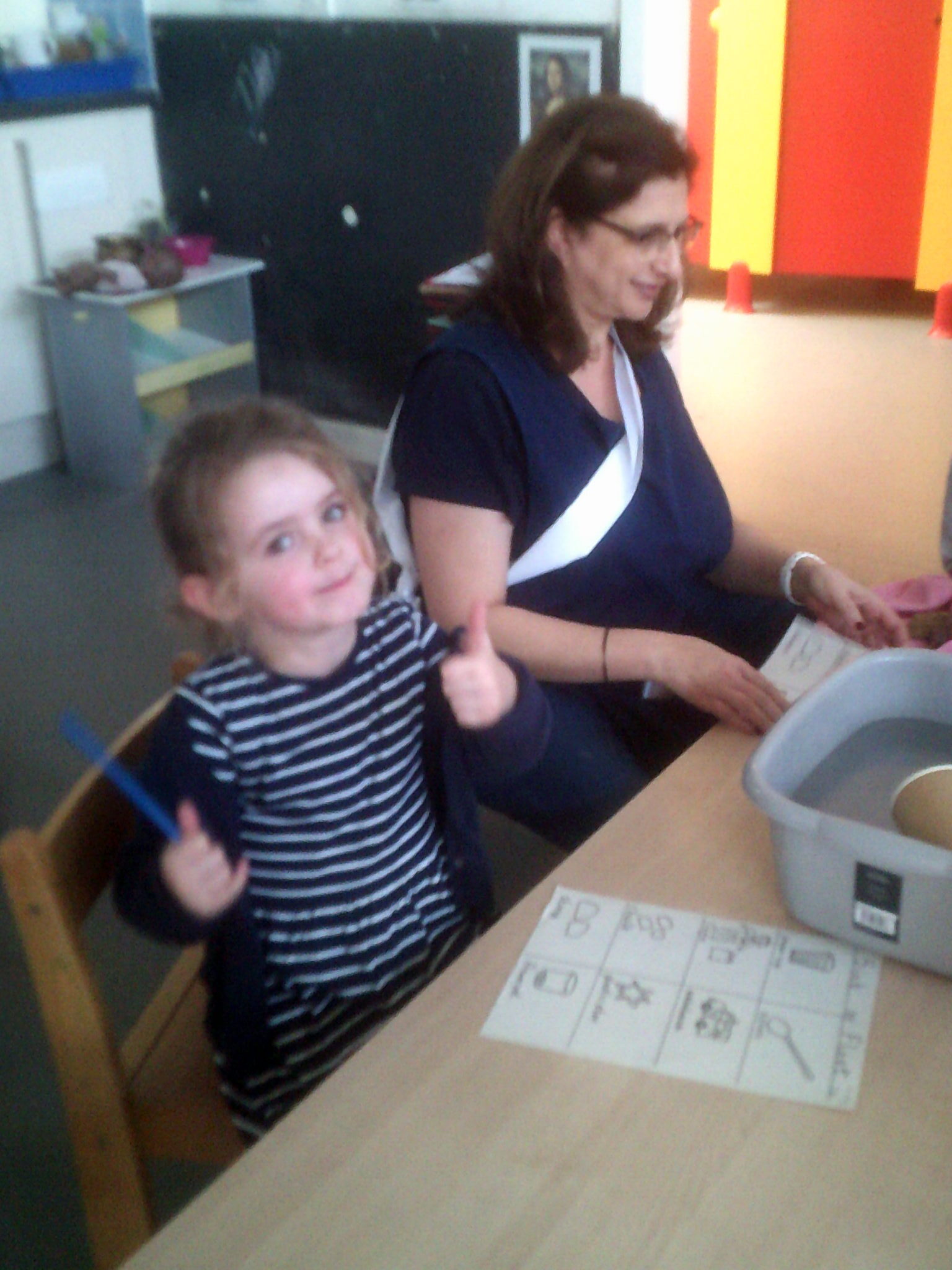
We have a large water tray that children love to access. Often it is used to develop gross and fine motor skills (tipping and pouring, using pipets, etc.). It is also used as a great maths resource (volume, capacity, full, empty to name just a few). It is always used as a sensory experience – feeling water through your fingers, watching it pour from a height and make a splash, for example are lovely in of themselves. However, water has so much to offer in terms of developing a child’s understanding of the world. On this occasion, the teacher’s aim was to help the children understand the concept of floating and sinking.
Initially, she asked the children what they understood by the words “float” and “sink”. One child described sinking as “When it goes down”. Excellent.
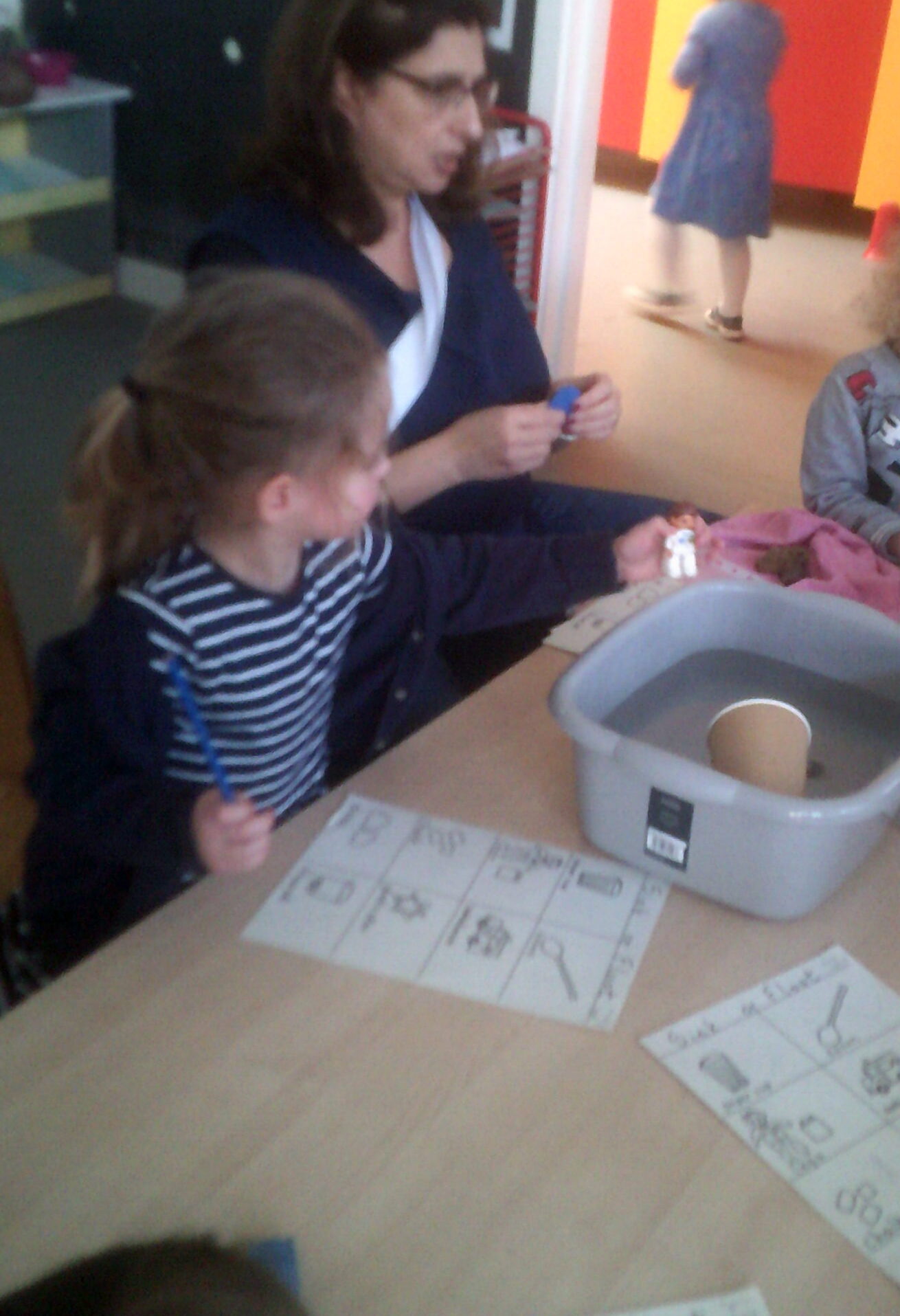
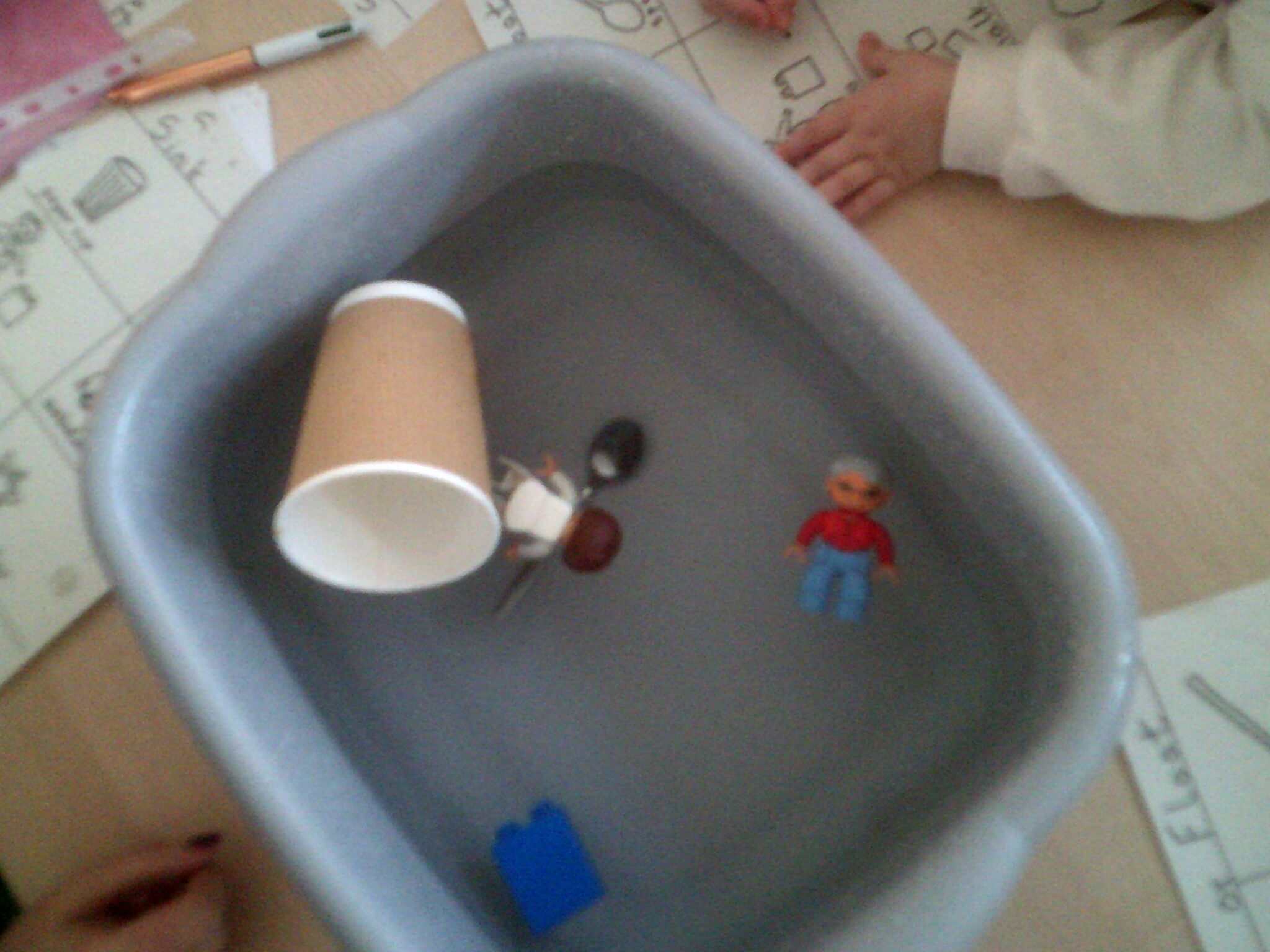
The items that the children were going to explore to test these properties were: a paper cup, metal spoon, Lego people and brick, plastic toy ambulance, a metal can, chalk, a plastic star, small stones, a plastic flowerpot with holes in the base.
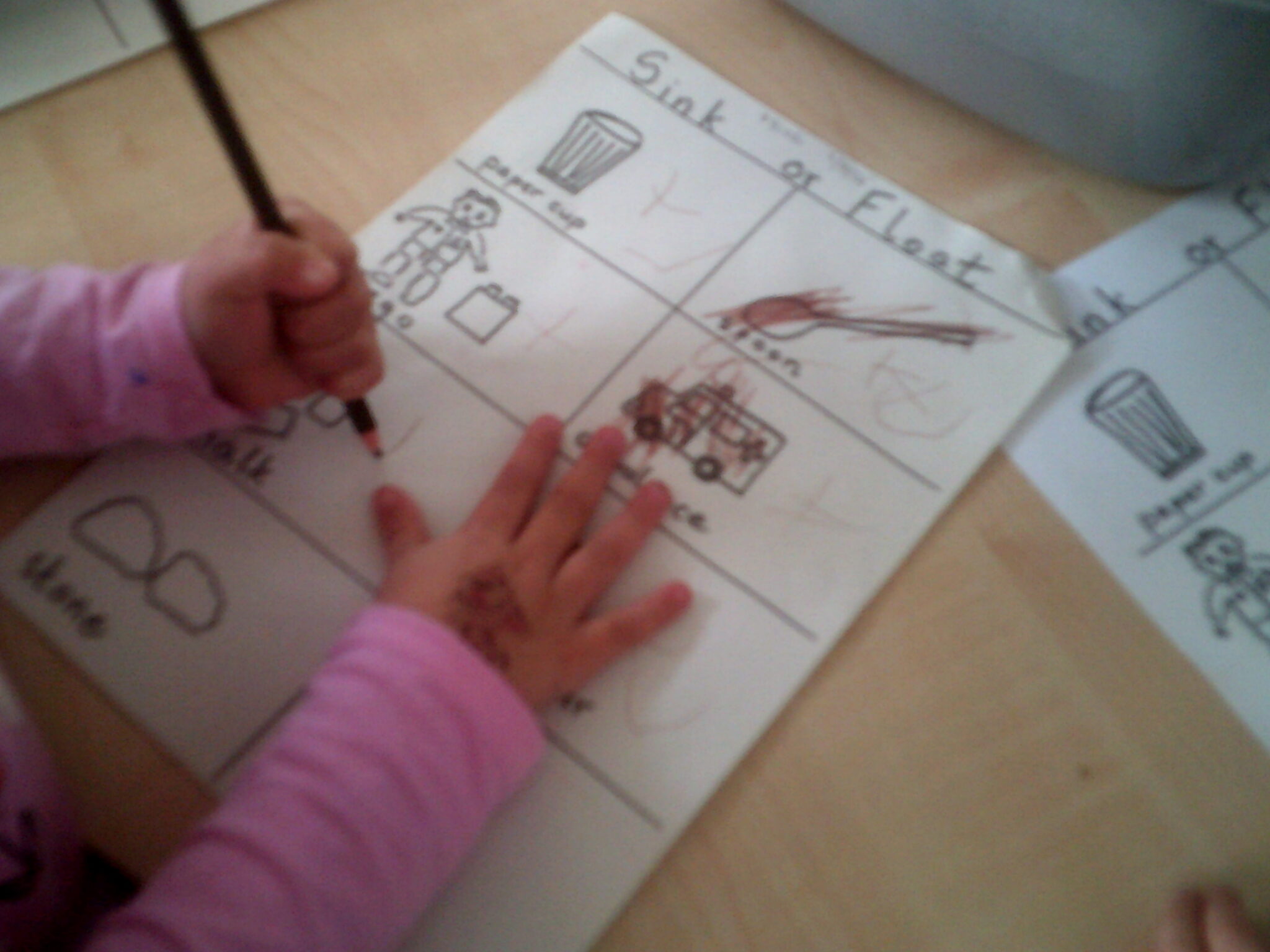
They spent some time exploring what happened to each object as they put it into the water. The teacher explained how the different materials affected what happened to the item. They discovered that some items did float, such as the Lego people, whilst others sank straight to the bottom, such as the stones. They discussed what the items were made of, learning new words, such as metal (not all children knew what metal was). They also discussed other new words, such as density. Two of the items, the paper cup and chalk, also reacted differently to the items made of plastic, metal and stone. The water reacted with the chalk to make it begin to dissolve and the paper cup soaked up the water, became soggy and began to fall apart. Finally, when asked why the flower pot with the holes had sunk, when other plastic items had floated, one of the children commented “because it has holes”. Brilliant.
There are photos on our Facebook page
We hope you all have a lovely half term break.
The Pre-school Team