This week’s activities
Ice experiment
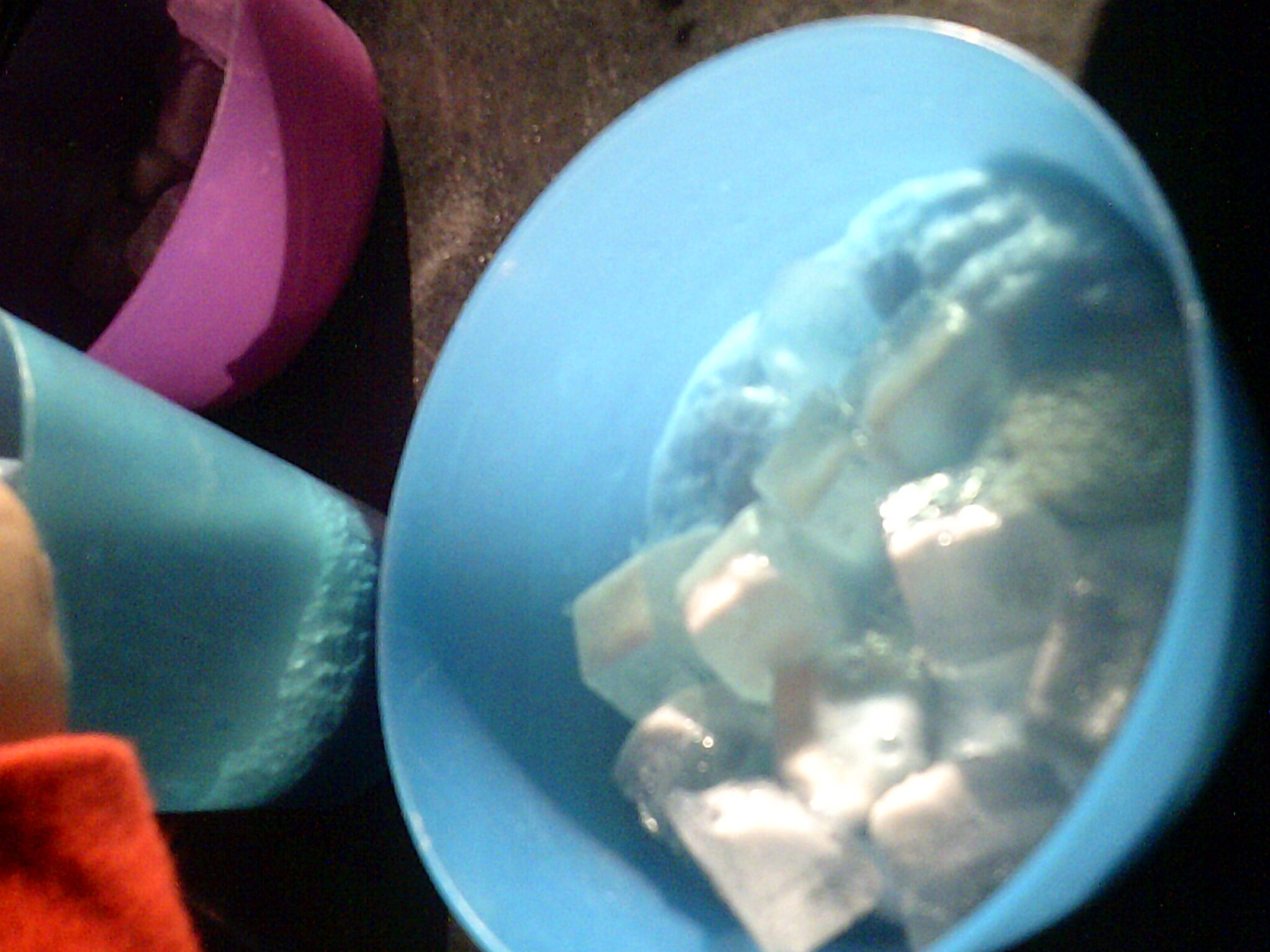
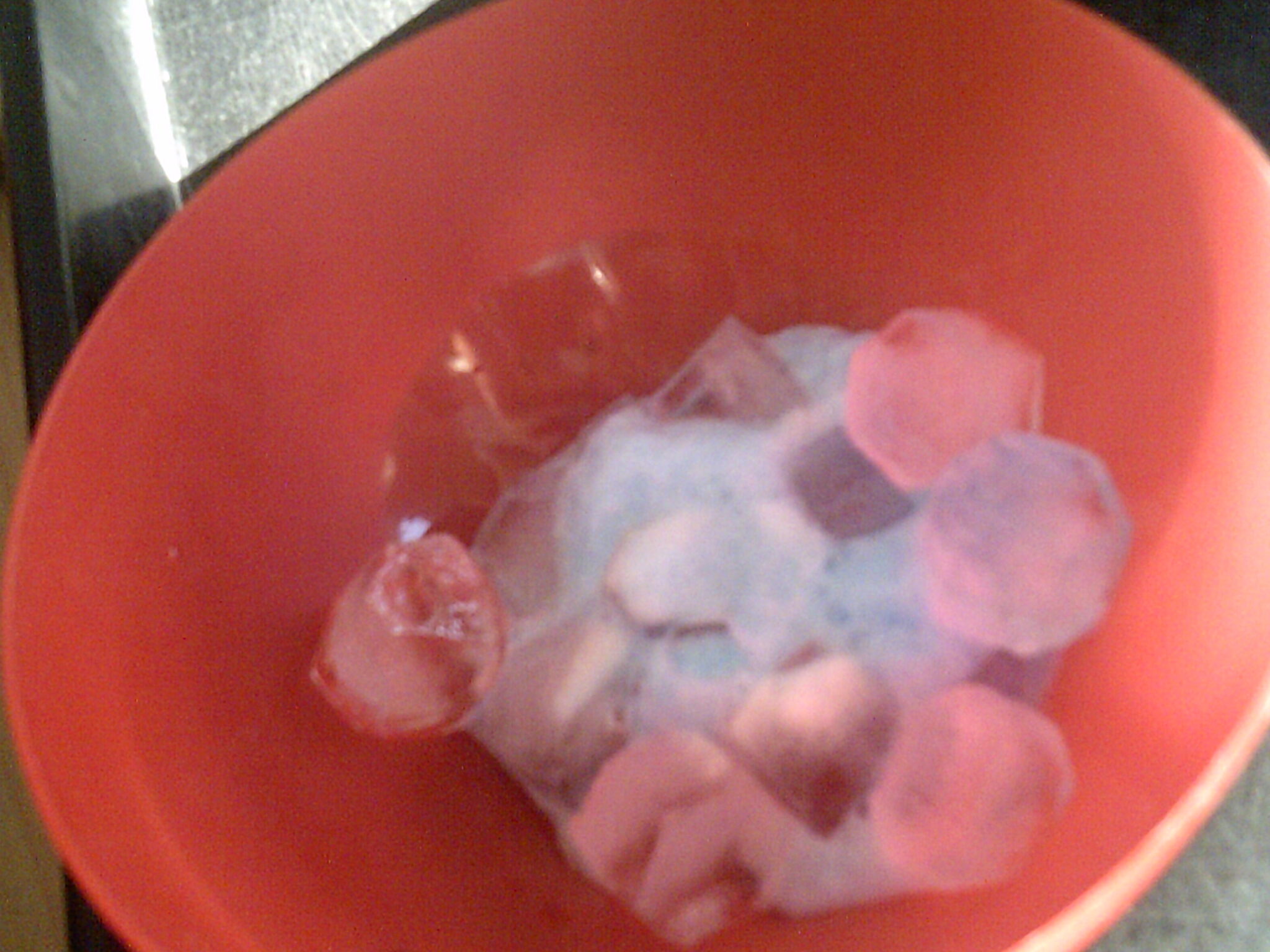
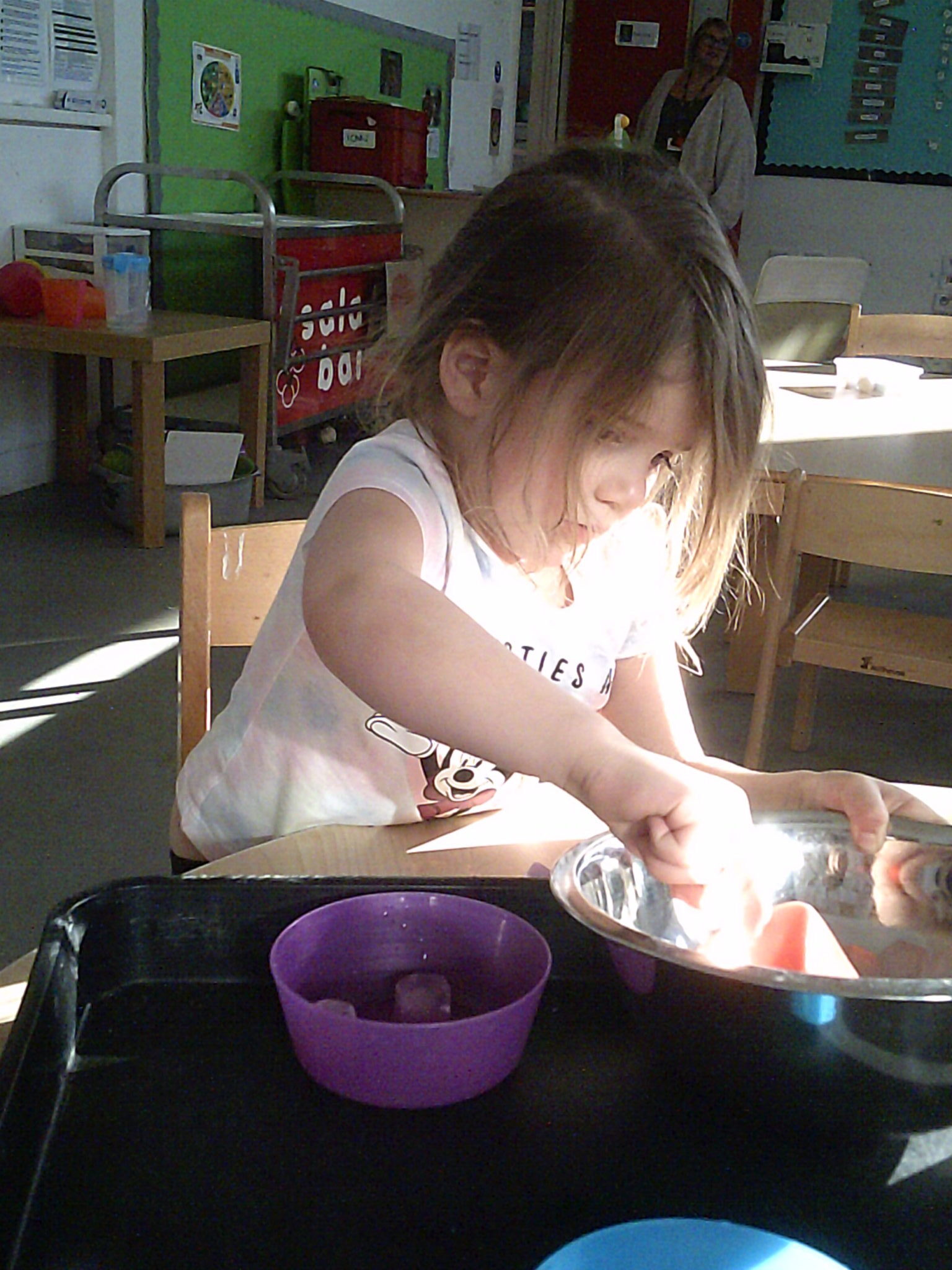
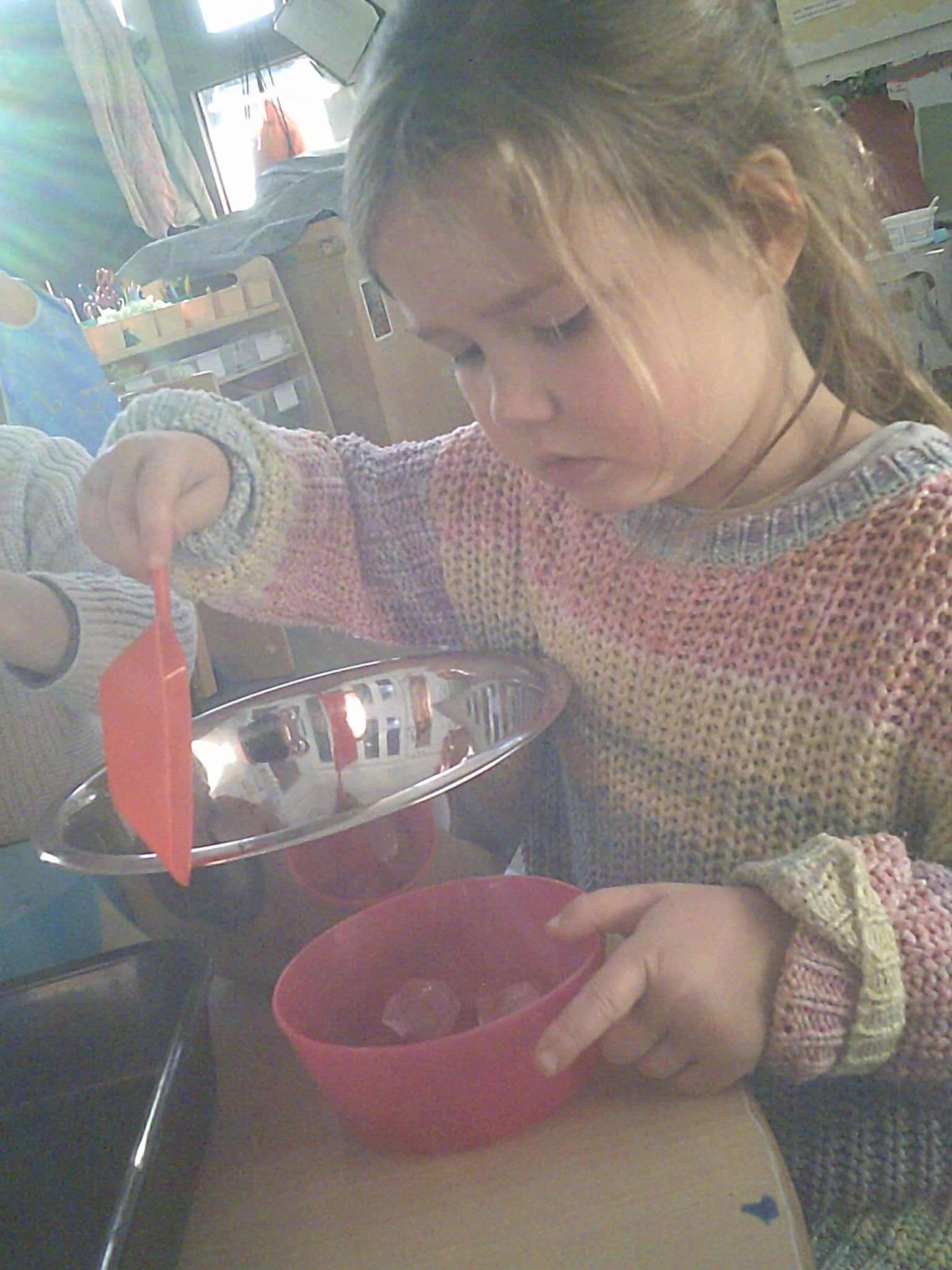
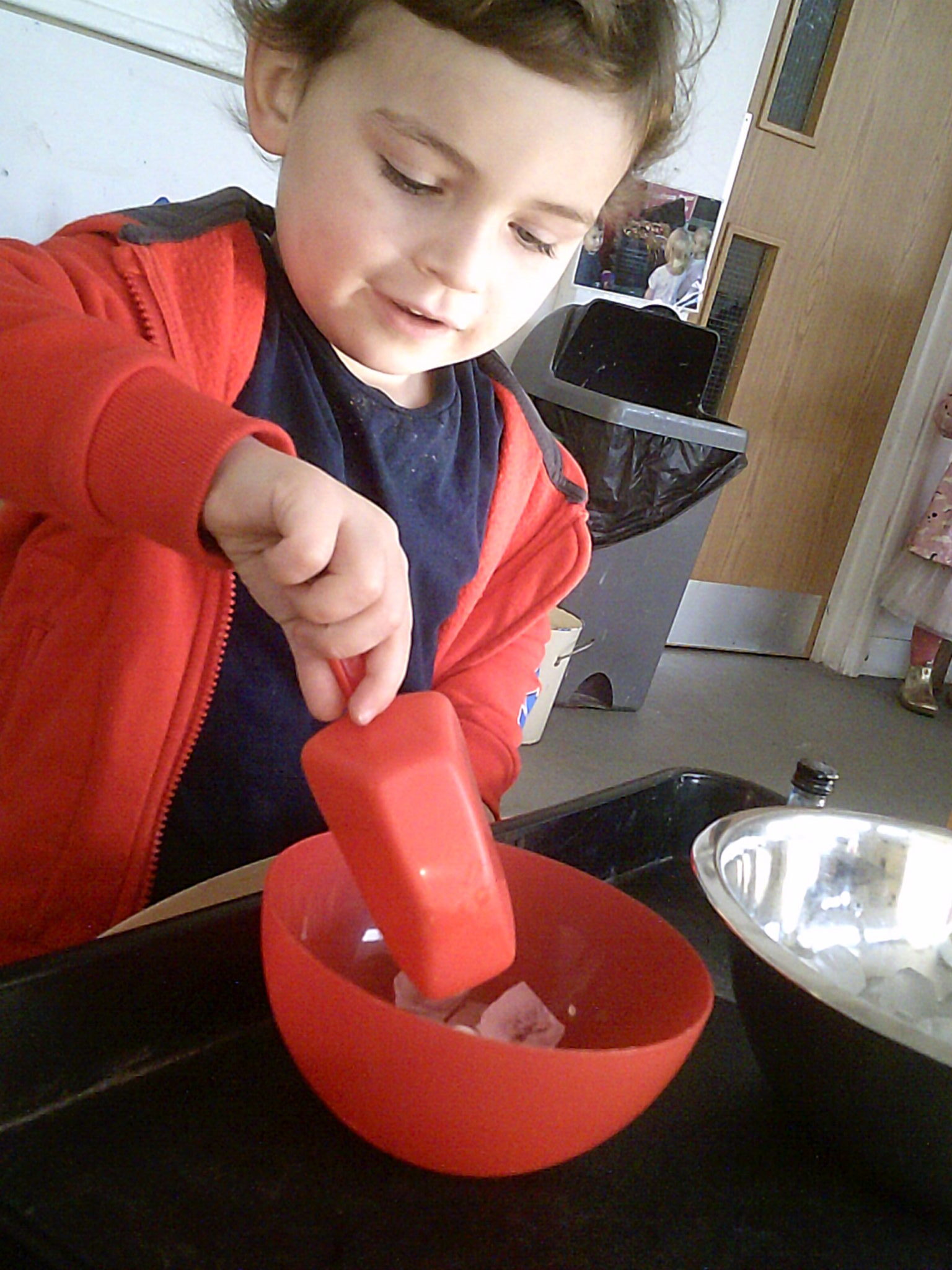
Simple science experiments offer lots of opportunities for hands-on exploration and investigation. Hands-on experiences help children’s cognitive development far more than being told about something. Linking cause and effect has huge benefits in embedding learning. This week the children had lots of fun experimenting with ice. We had made icecubes in our freezer; the children learning that water put into the freezer turns to ice if it is in there long enough. They discovered that the ice takes the shape of the mould that it is in, in this case, hexagonal (or a hexagonal prism to give it its 3D name). As they held the ice they felt how cold it is and then noticed that the warmth from their hands started to make the ice melt, but by keeping the ice together in the metal bowl, the melting process was slowed down.
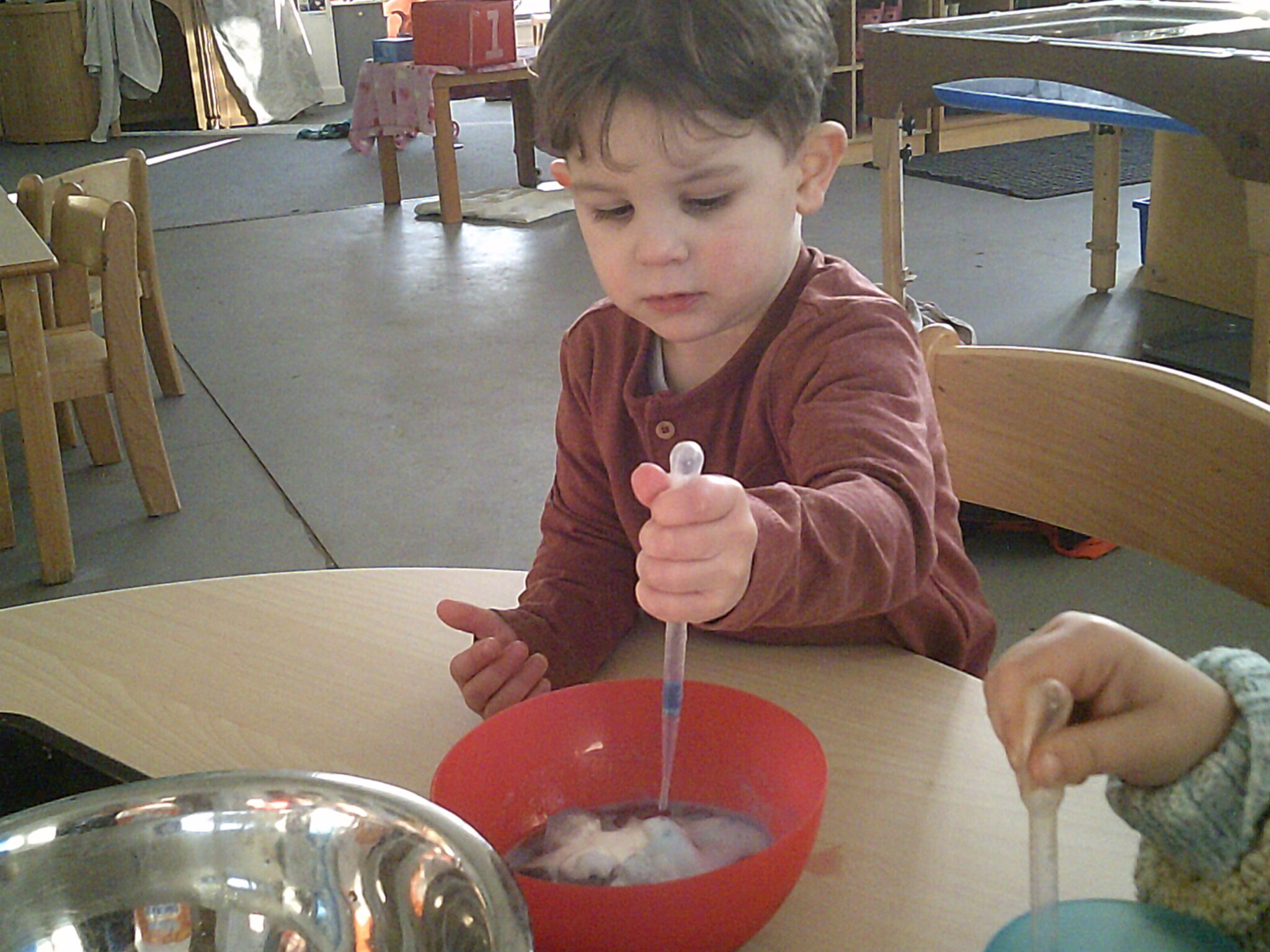
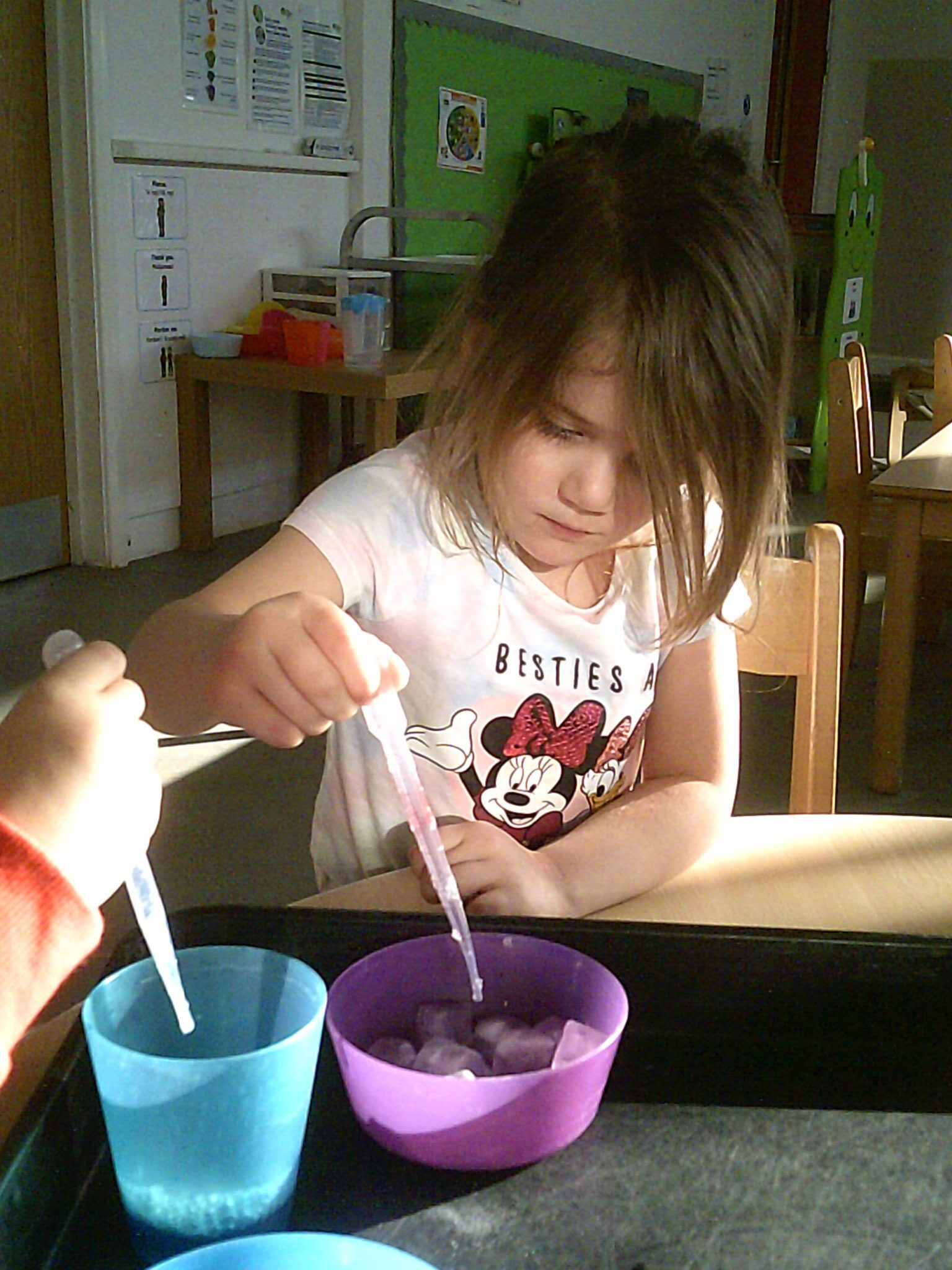
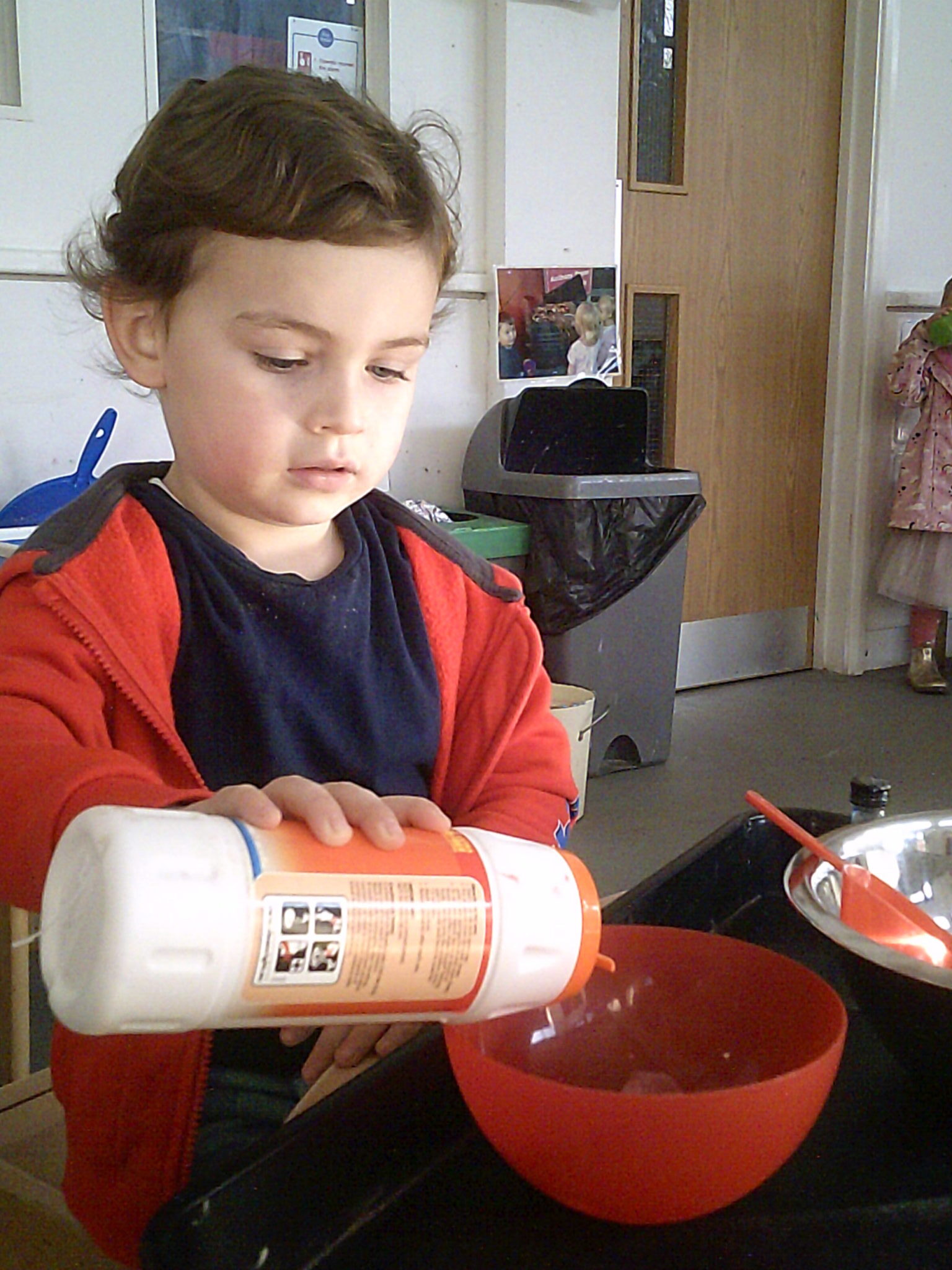
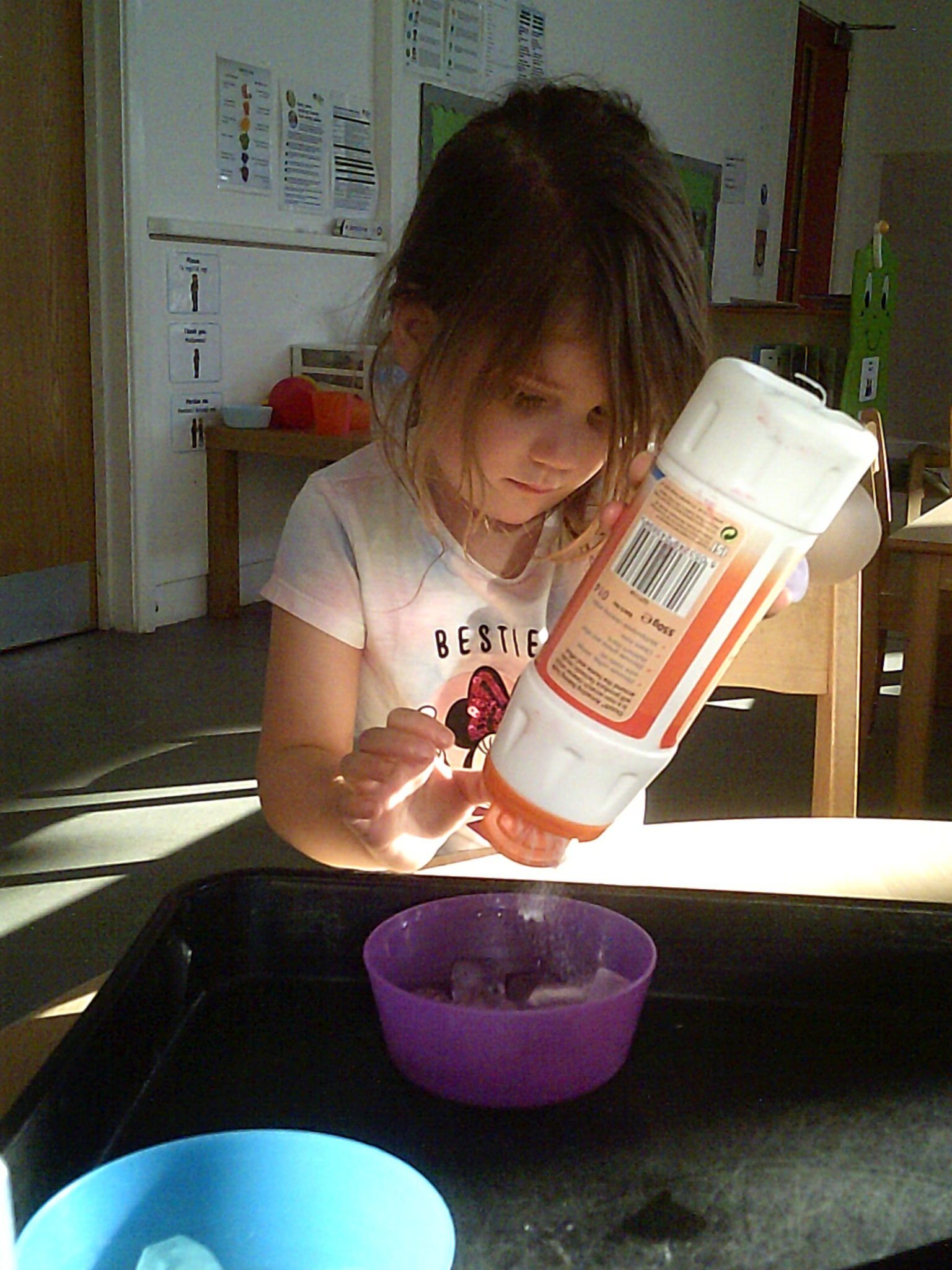
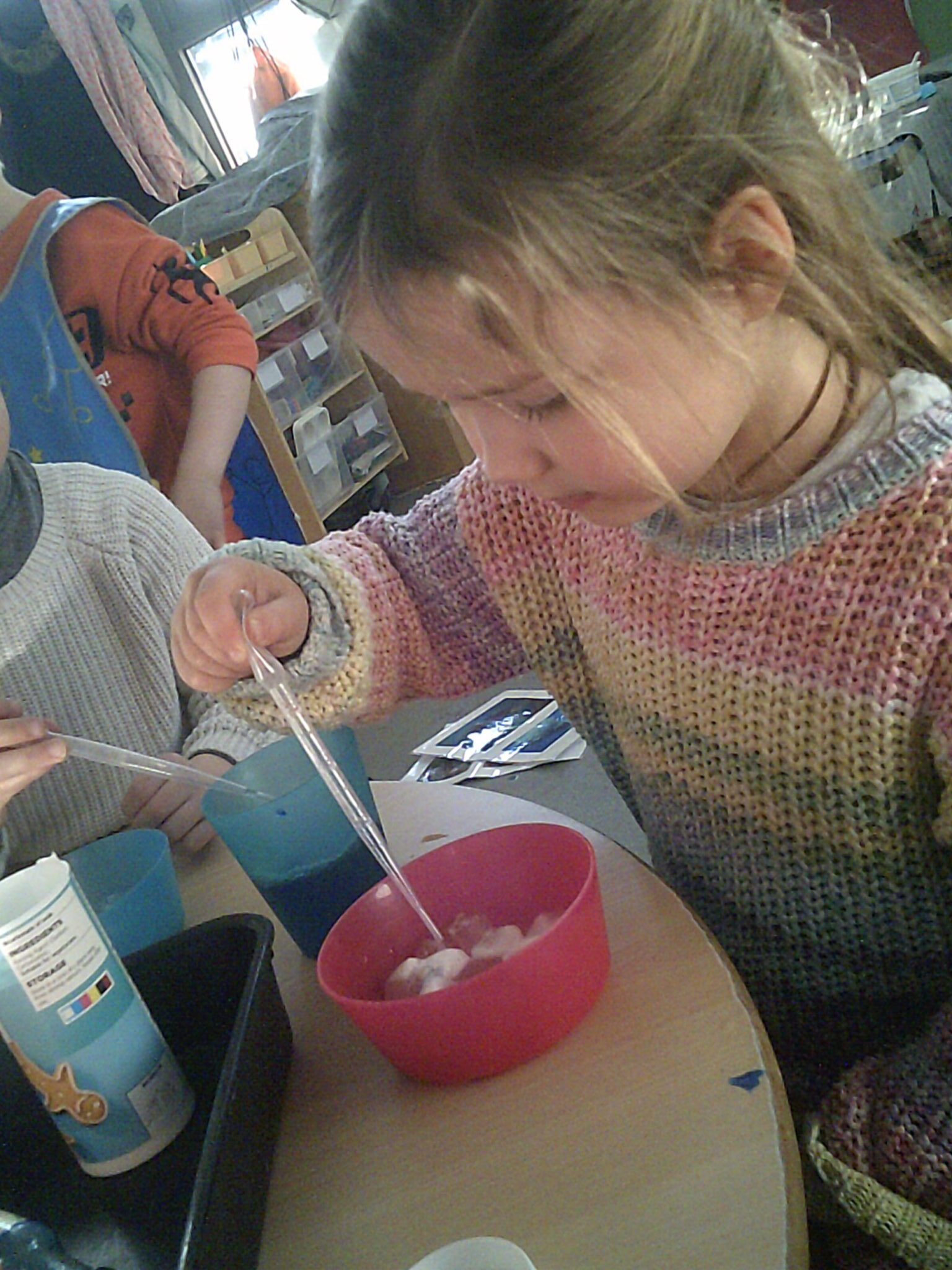
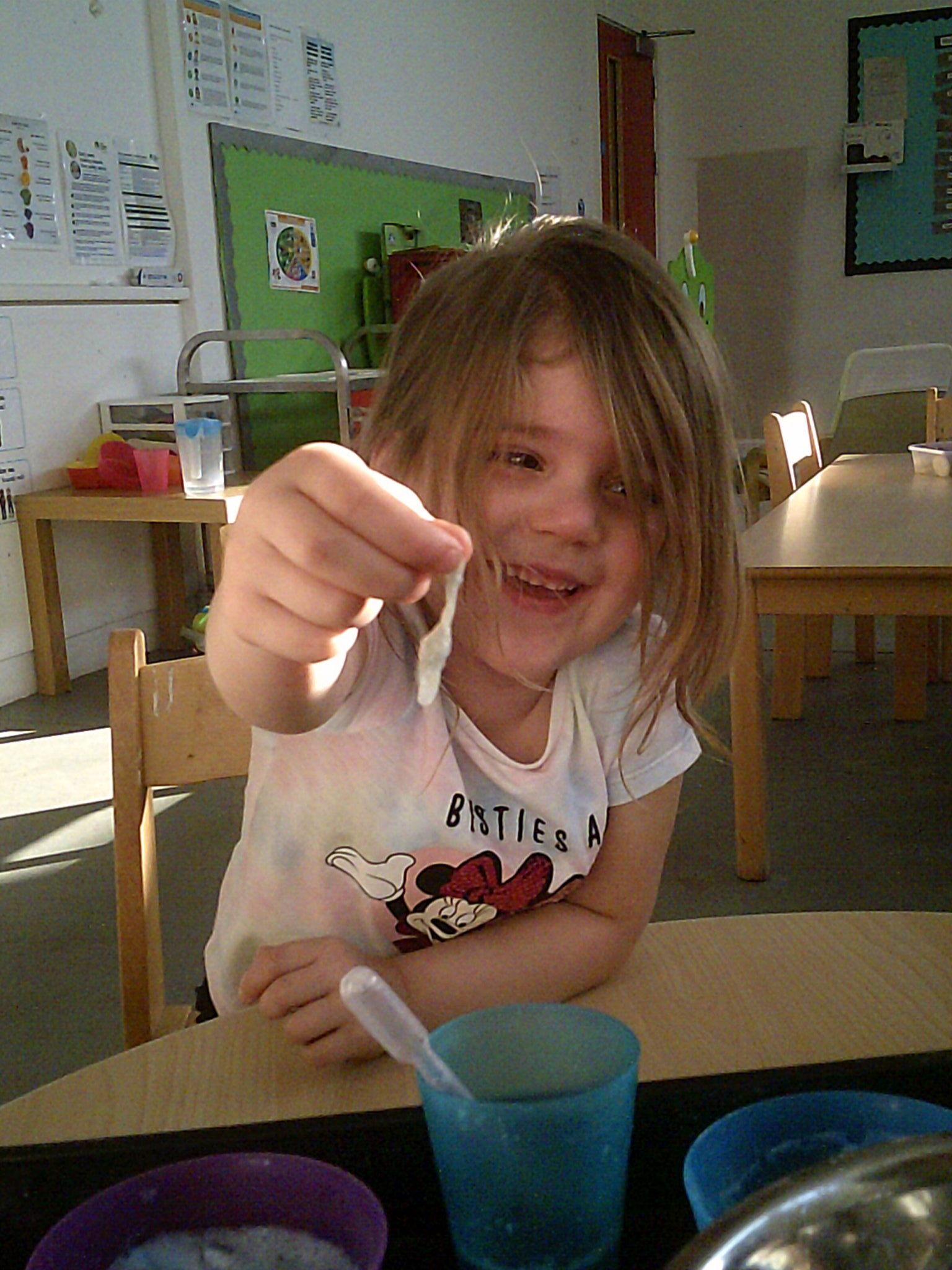
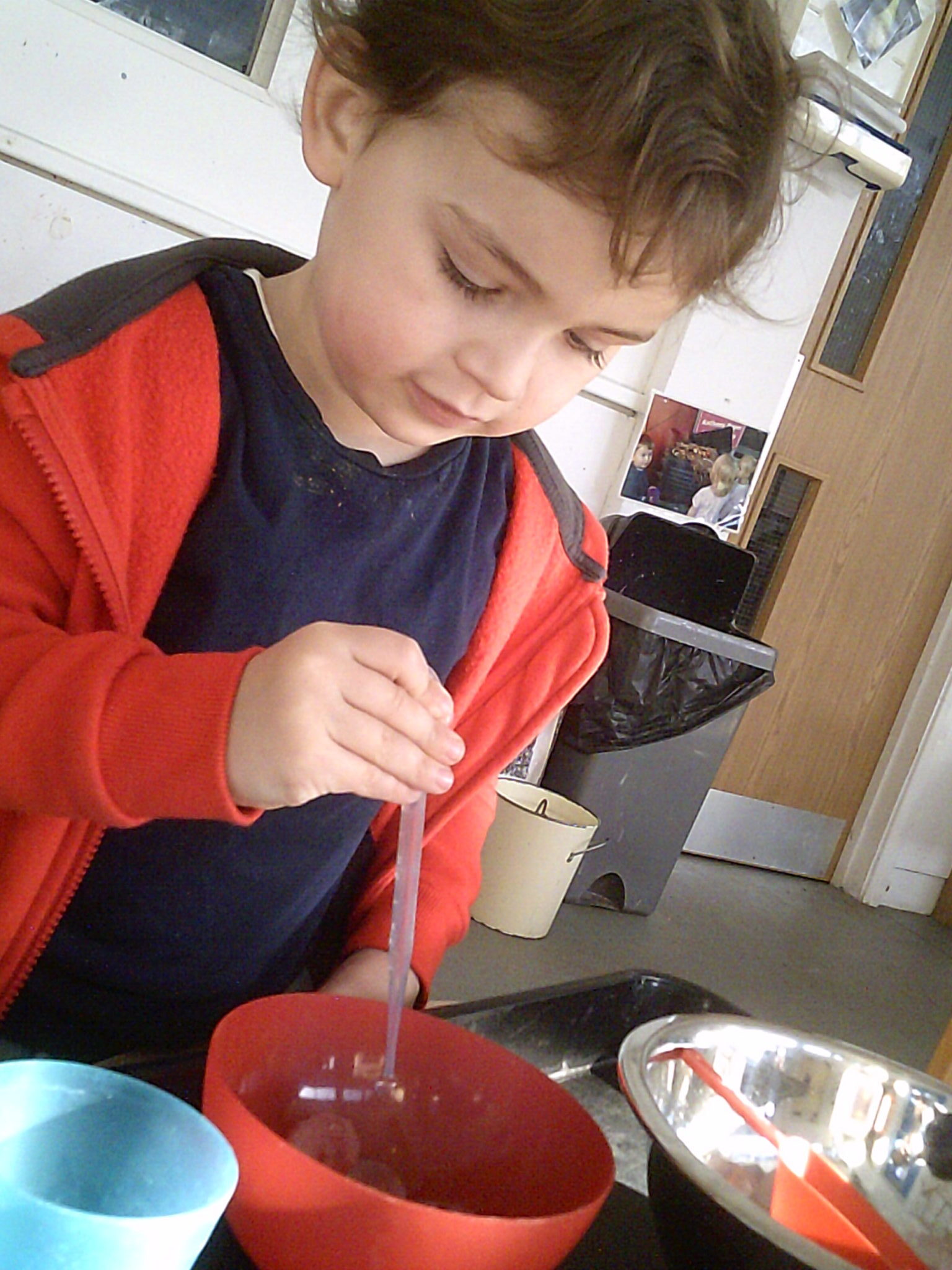
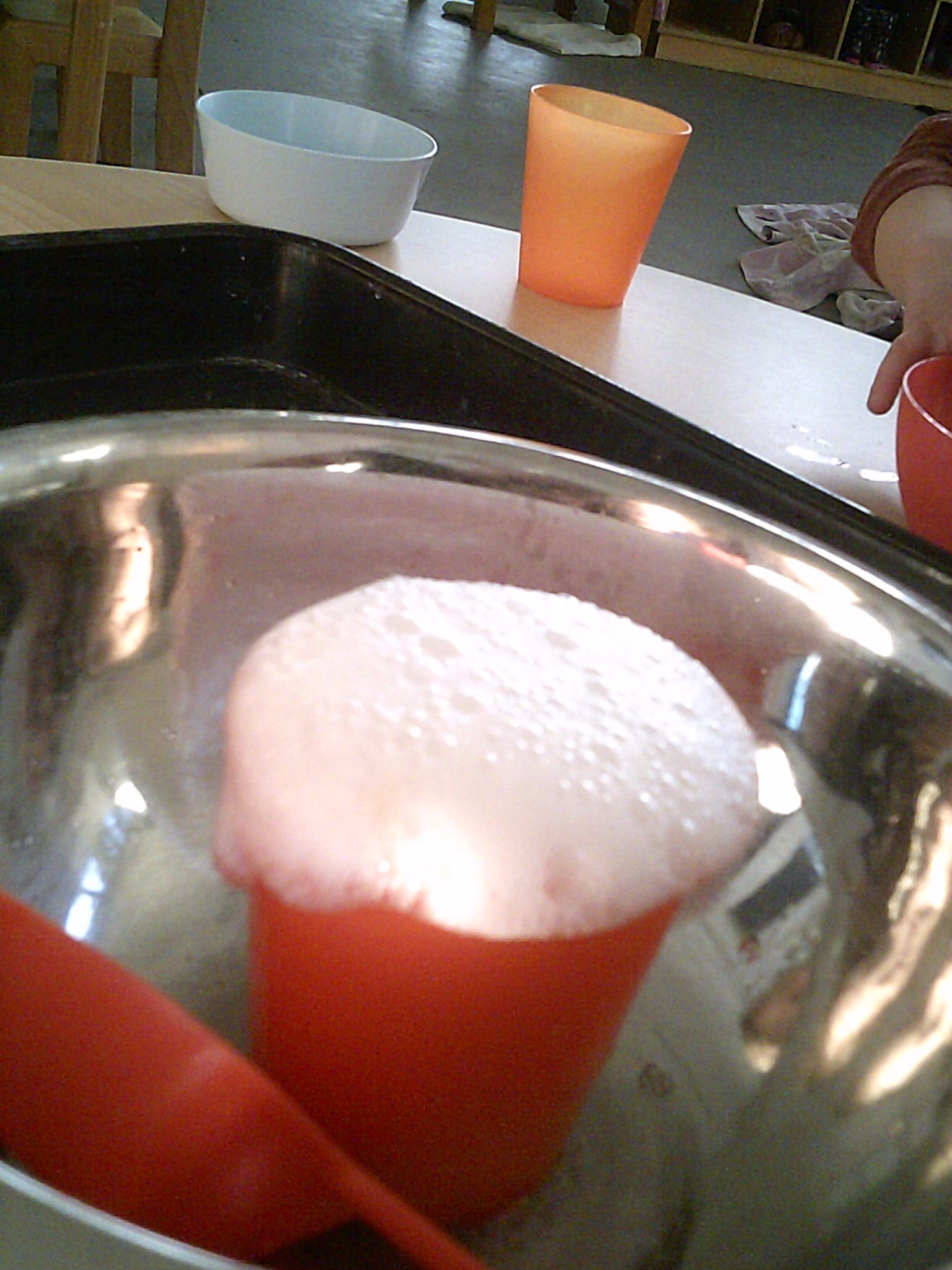
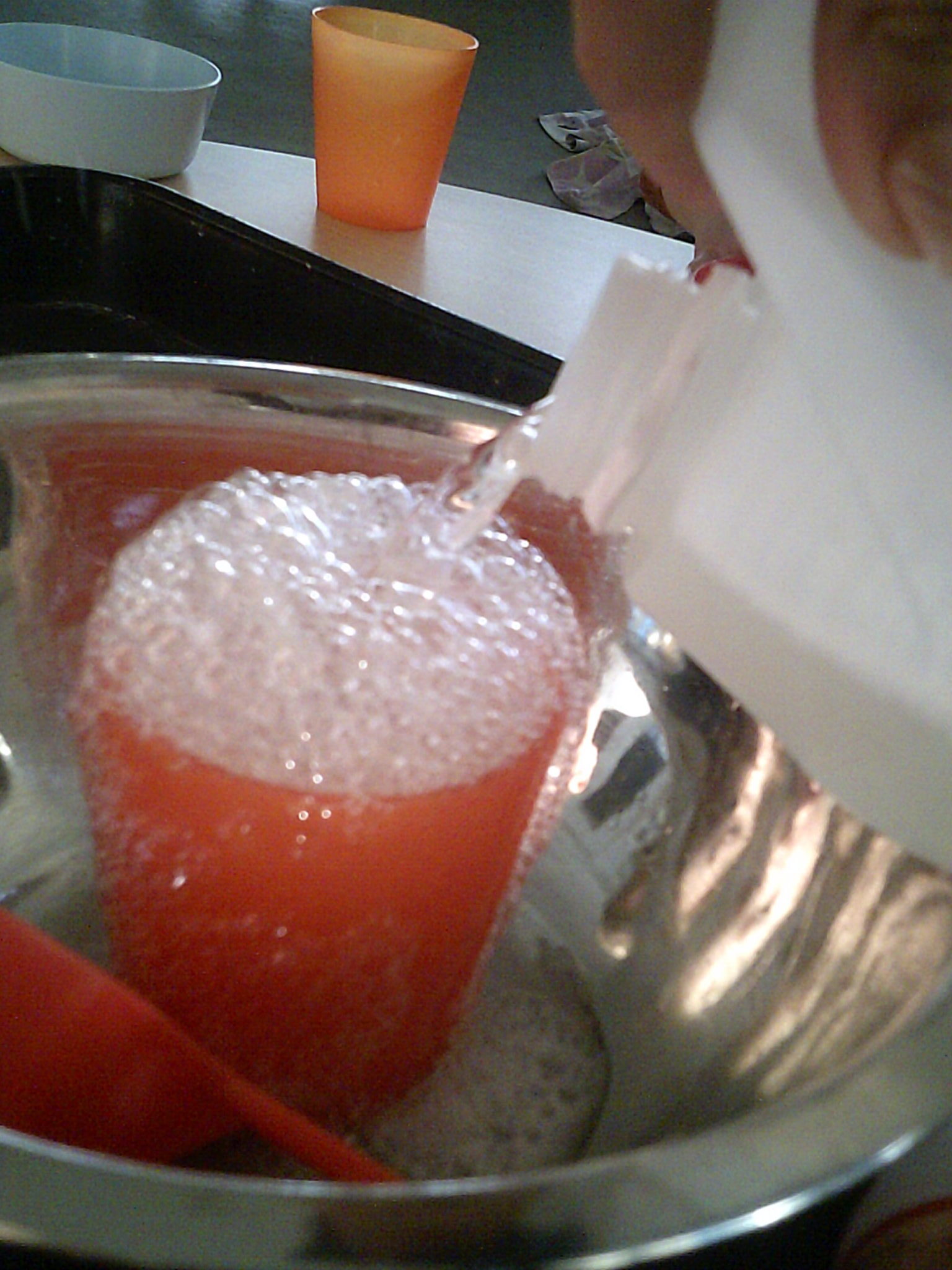
To enhance the experience, they learnt how to make ‘fizzy ice’. First of all they mixed together baking powder, food colouring and vinegar. Once the mixture was ready, they used pipets to transfer the mixture to the ice. They learnt that they had to squeeze the pipet to create suction to suck up the liquid. This was quite tricky for little fingers but with perseverance they learnt how to manipulate the pipet using their fine motor skills. After this experiment, they decided that they wanted to try something else – a volcano in a cup. Such good fun! As a result of their science experiments, the children noticed that mixing different substances together produced different results and different substances, from foam to bubbles to stringy to runny.
Discovering bird nests
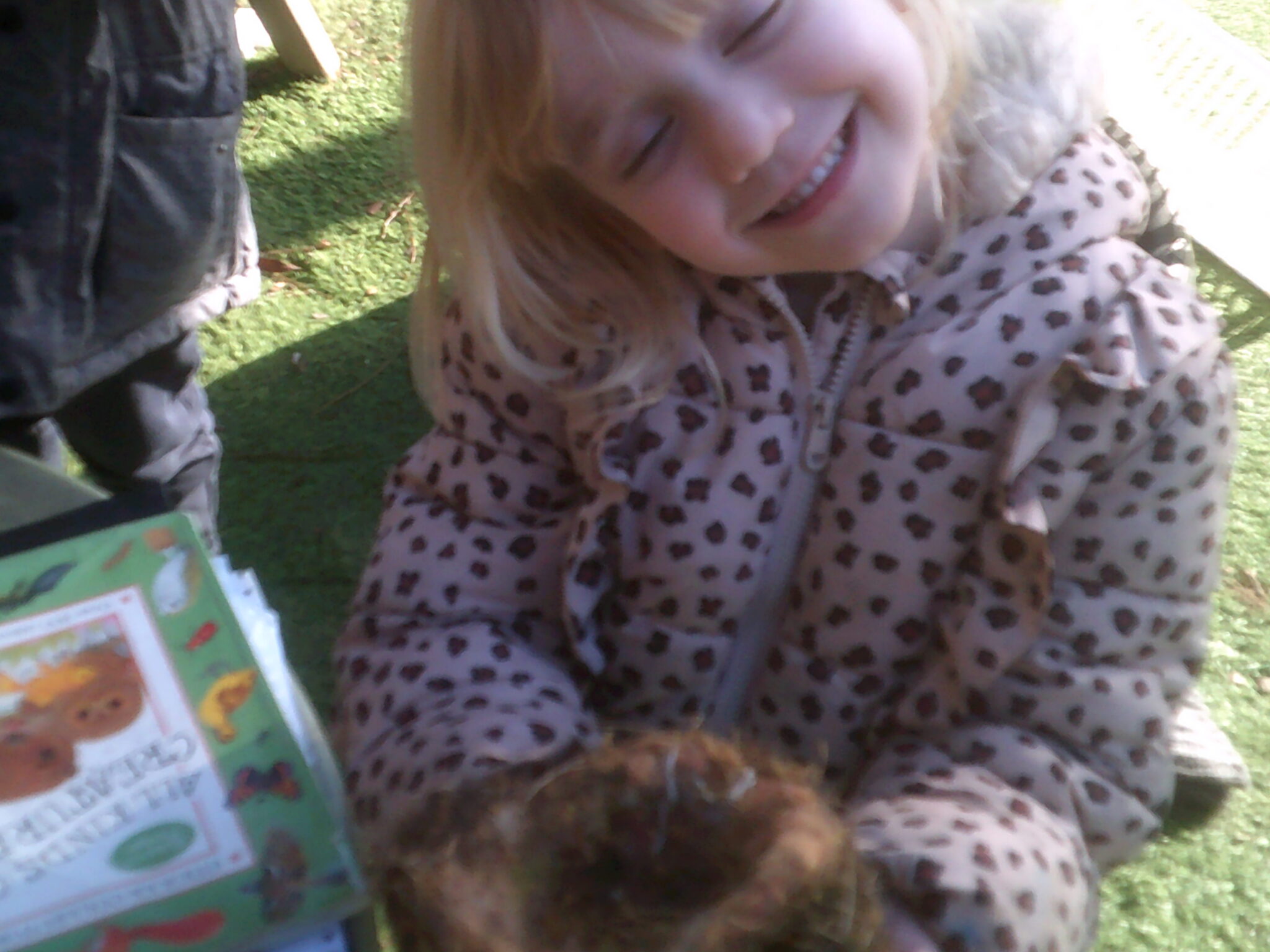
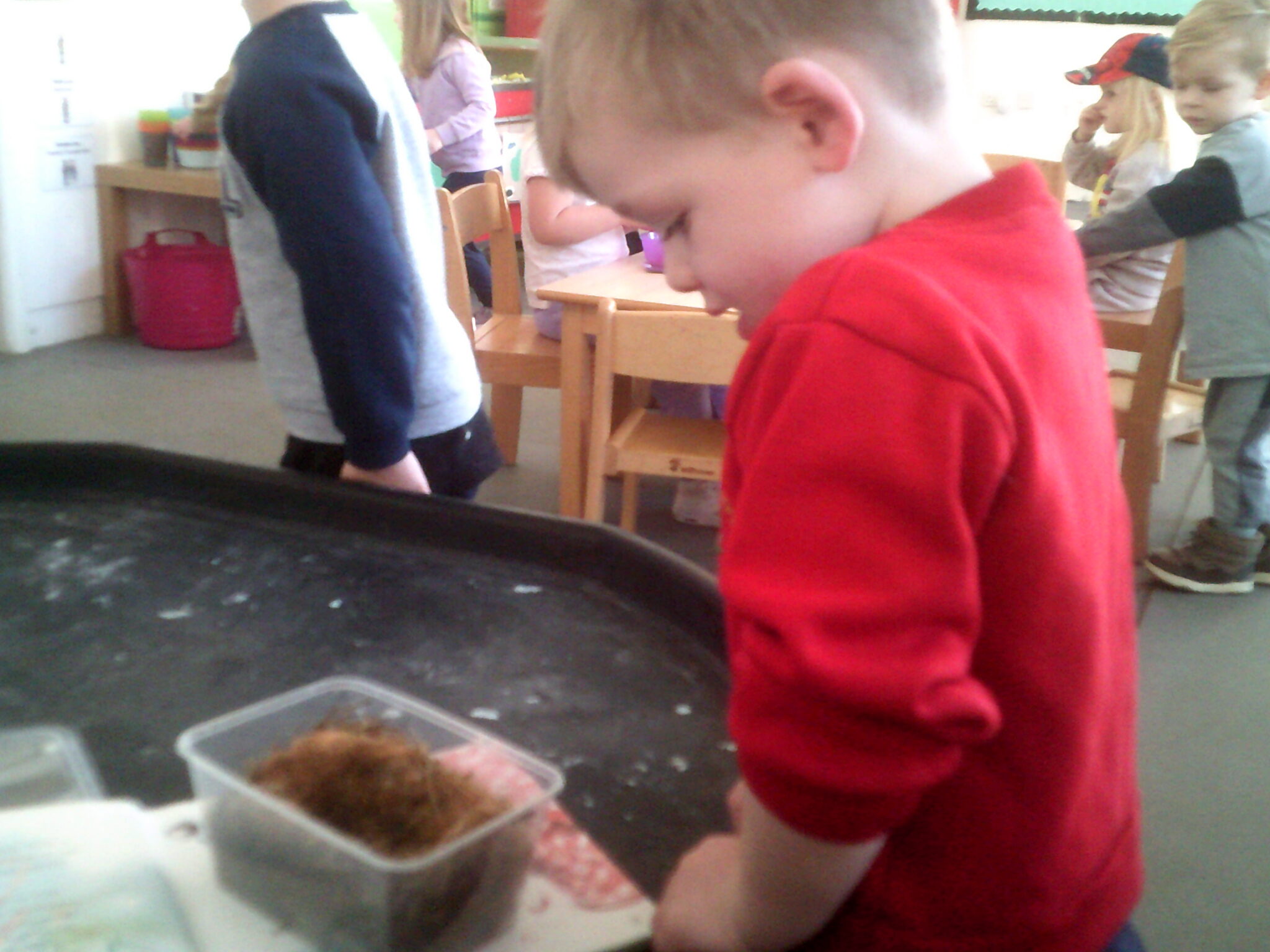
We were lucky this week to have a real bird nest to share with the children. This was a fantastic opportunity for them to really see how the bird carefully creates a warm, comfortable place to lay its eggs and rear its young. One of the children asked “are there any birds in there?” The teacher shared a book with the children to help them identify some of the birds who visit our garden and think about what kind of nests they may make. One of the children put a toy bear in the nest and two other children said that “a bear can’t live in there, bears live in caves – another child commented “bats live in caves too”.
One child asked if the teacher had found the nest in her garden. He commented that “I have three gardens and I have a bird box too”. Another child thought that the nest “looks like a circle”. Someone else asked “where are the eggs?” The teacher explained that they had already hatched and the fledglings had flown from the nest.
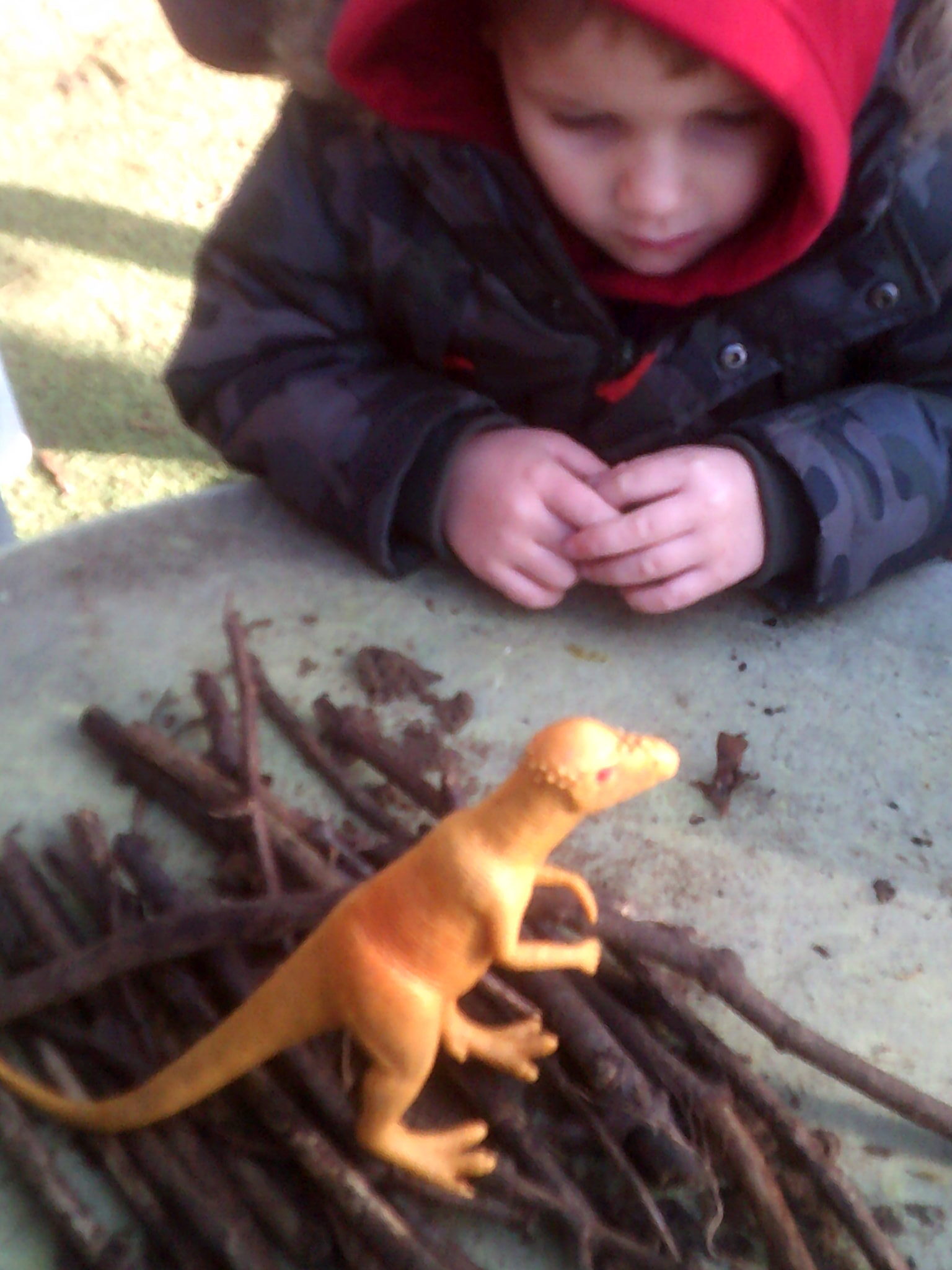
It led to the children thinking about how they could make a nest. The teacher suggested making a nest for a dinosaur. They used sticks, twigs and leaves and then went on to compare the sizes of the bird nest to the dinosaur nest. There were lots of lovely interactions and new words for the children to hear and learn during this activity.
There are photos of the activities on our website, www.anthonyroperpreschool.co.uk, and our Facebook page.
We hope you have a lovely half term with your families. See you on the 10th February.
The Pre-school Team